Prodevco Automation Solutions Set the Benchmark for Steel Fabrication Efficiency
Steel fabrication shops face growing demands for precision, speed, and adaptability. Meeting tight deadlines, minimizing waste, and optimizing workflow are not easy tasks—even with the hardest working crew. That’s where having the right automation partner makes all the difference. Prodevco Automation Solutions have emerged as the go-to standard in the steel fabrication industry, thanks to their hands-on experience, clever machine design, and a no-nonsense understanding of real-world shop challenges. Here’s why production and operations managers across North America are turning to Prodevco to improve efficiency and output like never before.
Leverage Advanced Robotics for Streamlined Structural Steel Processing
Robotics are not just about replacing labor; they’re about enhancing productivity, safety, and accuracy. Prodevco’s automated plasma and laser systems, including the flagship PD10 and PD20 models, harness robotics to handle cutting, drilling, coping, and even marking in one seamless operation.
This means fewer manual setups, reduced risk of injury, and a consistent pace that never tires. Automated tool changers and intuitive controls mean an operator can run more processes with less intervention. The robots manage everything from heavy beams to intricate profiles with reliable repeatability, helping shops maintain high standards as jobs change from day to day.
For production managers, the recommendation is clear: invest in a robotic system like the Prodevco PD10 or PD20 for shops processing a broad range of profiles. These machines boost productivity and free up skilled technicians for more value-added tasks, making for a highly efficient assembly line with less material handling.
Optimize Workflow Integration with Intelligent Automation Software
Automation yields real value when it fits naturally into your shop’s workflow rather than causing more bottlenecks. Prodevco’s software solutions are designed for plant-floor integration, seamlessly communicating with common BIM and detailing systems such as Tekla and SDS2. This translates into accurate job data handed right to the machine—with no manual input or reprogramming.
The software manages job scheduling, nesting, and even scrap tracking, increasing utilization and minimizing downtime between shifts or jobs. For managers, Prodevco solutions eliminate production silos and enable transparent reporting, so you can anticipate resource needs and confidently plan deliveries.
Recommended for shops looking to streamline information flow and reduce human error, Prodevco’s automation software helps ensure jobs move progressively from fabrication to assembly, reducing handling steps, rework, and costly project overruns.
Enhance Precision and Consistency Through Innovative Laser Profiling
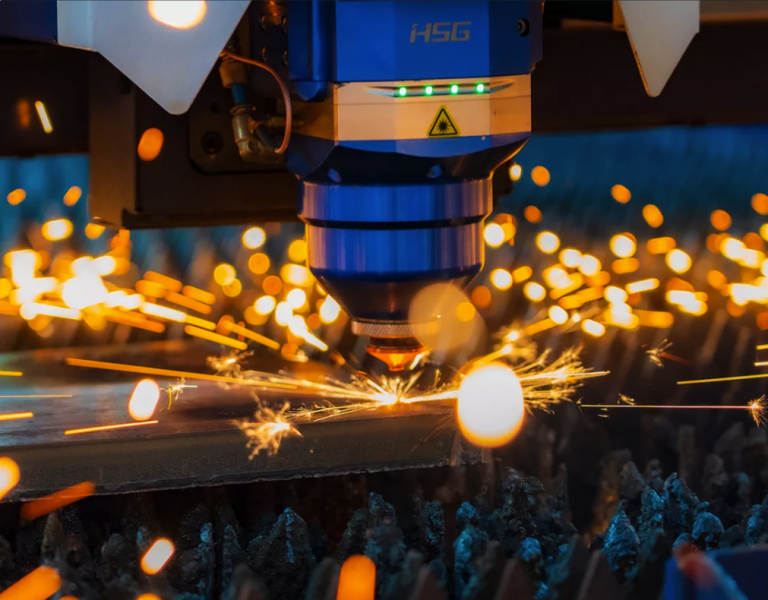
Precision is the backbone of quality steel structures. Prodevco’s machines use advanced laser and plasma profiling technology for cuts, copes, and holes. Integrated laser scanners measure and validate workpieces in real-time, adapting to minor variations or camber so that fit-ups are perfect every time.
Operators benefit from results that exceed manual efforts—with less grinding, cleaning, or fitting after the fact. The PD10 and PD20 can cut complex shapes, precise slots, and intersecting holes efficiently, opening new design flexibility for engineers without adding shop headaches.
When you need tight tolerances or are fabricating complex connections or modular assemblies, Prodevco’s laser profiling delivers unparalleled accuracy. Managers see the benefits through reduced rework, consistent weld-ready parts, and a strong reputation with their clients for quality and discipline.
Reduce Downtime and Material Waste with Predictive Maintenance Tools
Unplanned downtime and material loss are costly. Prodevco’s predictive maintenance tools use built-in sensors and real-time diagnostics to alert operators to issues before they become problems. Consumable wear, misalignments, or machine errors are flagged early so corrective steps are taken quickly—without stopping the entire line.
Tracking maintenance schedules and machine health is consolidated through user dashboards, ensuring that your equipment runs at peak efficiency and planned outages fit into the broader workflow. For production and operations managers, this means fewer rush repairs, more predictable costs, and maximum up-time. Material tracking also helps reduce over-ordering and scrap, supporting lean manufacturing principles.
The recommendation is to pair your Prodevco machine with their full maintenance suite, so your investment pays off every shift with fewer slowdowns and higher machine utilization.
Maximize Throughput and Flexibility in Custom Fabrication Environments
No two jobs—or fabrication shops—are the same. Prodevco systems are engineered for rapid changeover between jobs, making them ideal for custom and mixed-batch fabrication environments. Whether you’re running heavy mixed-section steel or lighter, complex trusses, the PD10 and PD20 adapt quickly to new specs with their automatic setup and recognition systems.
This flexibility translates to more jobs processed per shift, shorter lead times, and a sharper competitive edge on contracts requiring varied or unique work. Less material handling is required as parts can be cut, drilled, and marked in a single pass, and sent straight to assembly or welding lines.
For operations managers who want to maximize floor space, workforce time, and contract throughput, Prodevco offers a solution that scales with your needs—without needing a full line change or extensive retraining.
FAQ
What are the main benefits of automating steel fabrication with Prodevco equipment?
You gain higher throughput, consistent quality, safer work conditions, and less rework, leading to lower overall costs per ton.
How does Prodevco’s software help with project management?
It links detailing with production, reduces manual input errors, and improves material and scheduling management.
Does automation mean I’ll need fewer operators?
Yes, but more importantly, your team can focus on higher skill tasks rather than repetitive work, improving productivity and job satisfaction.
How does predictive maintenance actually reduce costs?
Early alerts prevent major breakdowns, cut emergency repair costs, and keep your machines running longer between planned stops.
Will this technology handle custom or occasional work as well as repeat jobs?
Absolutely; Prodevco’s quick changeover features and smart recognition software adapt rapidly to new jobs and mixed production.
Are these machines compatible with industry-standard detailing software?
Yes, Prodevco integrates seamlessly with common platforms like Tekla and SDS2.
Having the right automation partner transforms your shop’s capacity, quality, and reliability. Prodevco Automation Solutions offers proven technology, robust machines, and practical tools designed for the realities of structural steel. If your plant is ready for less manual handling, fewer costly errors, and faster project delivery, consider Prodevco as the backbone of your next step forward. Reach out for a demo or personalized assessment to see how you can build better and smarter with leading-edge automation.
Prodevco’s smart automation solutions for steel fabrication are high-end, integrated systems designed to streamline cutting, drilling, and processing of structural steel with a focus on precision, throughput, and reduced manual handling.
1) Quick Look
- Application: Automated steel fabrication for beams, columns, tubes, and other structural profiles.
- Core functions: Integrated cutting, drilling, marking, and material handling (varies by configuration).
- Primary benefit: Higher throughput with consistent accuracy, reducing manual layout and rework.
- Automation level: Smart, CNC-controlled systems aimed at minimizing operator intervention.
- Ideal users: Structural steel fabricators, industrial steel service centers, and high-volume shops.
- Key value: Improved efficiency per labor hour and better utilization of raw material.
2) Typical Cost Ranges
Pricing estimate (USD): $150,000 – $900,000
- Entry-level or more basic automated lines typically fall near the lower end of this range.
- Systems with expanded automation (material handling, more axes, more processes) trend toward the mid to upper range.
- Highly customized or fully integrated solutions with advanced options are usually at the top of the range.
- Total investment often reflects not just the machine, but also software, integration, and training scope.
3) Specs That Matter
- Profile capacity: Maximum and minimum sizes of beams, channels, angles, and tubes the system can process efficiently.
- Cutting technology: Type of cutting (e.g., thermal vs. mechanical) and the associated achievable cut quality and speed on structural steel.
- Hole-making capability: Drilling diameter ranges, number of drilling axes, and whether tapping, countersinking, or milling operations are supported.
- Material handling integration: Infeed/outfeed conveyor lengths, automated loading/unloading options, and the ability to run unattended batches.
- Positioning accuracy and repeatability: Tolerances the system can reliably maintain over long production runs.
- Software and nesting: Level of integration with detailing/BIM or CAD/CAM systems, nesting efficiency, and ease of programming jobs.
- Throughput: Typical parts per hour or linear meters per hour achievable under representative steel fabrication workloads.
4) What to Inspect Before You Buy
- Confirm the machine’s profile size and weight capacity match or exceed your largest and most common steel sections.
- Review sample parts for cut and hole quality, including edge finish and dimensional accuracy on real structural profiles.
- Evaluate the control software interface for ease of programming, error handling, and compatibility with your current design/drafting workflow.
- Inspect material handling components (rollers, conveyors, clamps, loaders) for robustness, alignment, and accessibility for maintenance.
- Ask for documented performance data on cycle times and throughput for jobs similar to your own production mix.
- Check the level of diagnostics, remote support capabilities, and clarity of alarms and status messages.
- Review the proposed installation layout to ensure proper floor space, material flow, and safety clearances are achievable in your facility.
- Clarify what is included in the quoted price: training hours, commissioning, software licenses, and any required peripherals.
- Assess wear components (consumables, bearings, guides) for expected lifespan and ease of replacement.
- Verify availability of technical support, spare parts supply, and typical response times for service interventions.
5) Common Questions
What types of steel fabrication are these systems best suited for? They are intended for structural steel fabrication where consistent, automated processing of beams, columns, and other profiles can significantly increase throughput and accuracy.
How does the automation improve efficiency compared to manual methods? Automation reduces manual layout, handling, and measuring steps, allowing continuous processing of profiles with consistent positioning and fewer operator interventions.
Is this equipment suitable for small fabrication shops? It can be, but the investment level typically aligns best with shops that have enough volume in structural steel work to keep an automated line productively utilized.
What drives the wide price range from $150,000 to $900,000? The range reflects differences in system size, level of automation, number of integrated processes, software capabilities, and the degree of customization or integration required.
Can the system handle different profile shapes without extensive changeover? These solutions are designed to process a variety of structural profiles, with changeover typically handled through CNC programming and automated positioning rather than major mechanical reconfiguration.
How important is software integration with my detailing or BIM system? It is very important for maximizing efficiency, as direct data transfer reduces manual programming time and minimizes errors from re-entering dimensions.
What kind of accuracy can I expect on cuts and holes? The systems are engineered for high precision in structural steel work, but the exact tolerances depend on the specific model, configuration, and process parameters.
How should I plan my shop layout around this equipment? Plan for straight material flow in and out of the line, adequate space for loading and unloading long profiles, and safe access for operators and maintenance.
What ongoing costs should I anticipate after purchase? Expect costs for consumables, routine maintenance, potential software updates, and periodic service or calibration to maintain performance.
Can the system be expanded or upgraded later? Depending on the configuration, some systems can be enhanced with additional automation or software options, but the extent of future expansion should be confirmed with the supplier in advance.
Source: Prodevco Automation Solutions Set the Benchmark for Steel Fabrication Efficiency
Prodevco Automation Solutions Set the Benchmark for Steel Fabrication Efficiency