Overcoming the Top 5 Challenges in Metal Fabrication
Metal fabrication is a cornerstone of modern manufacturing, playing a crucial role in industries ranging from automotive to aerospace. However, as with any complex process, it comes with its own set of challenges that can hinder productivity and efficiency. To remain competitive and meet the ever-increasing demands of the market, businesses must address these challenges head-on. This article explores the top five challenges in metal fabrication and offers insightful strategies to overcome them, ensuring a more streamlined, cost-effective, and innovative production process.
Understanding Metal Fabrication Challenges
Metal fabrication is a multifaceted process that involves cutting, bending, and assembling metal to create structures and components. The complexity of these operations often leads to various challenges that can impact the quality, efficiency, and cost-effectiveness of the final product. Understanding these challenges is the first step toward developing effective solutions. Common issues include material waste, precision errors, high operational costs, and a shortage of skilled labor, all of which can significantly affect a company’s bottom line.
In addition to these technical challenges, the industry also faces external pressures such as fluctuating raw material prices and stringent regulatory requirements. These factors add layers of complexity to the fabrication process, necessitating a comprehensive approach to problem-solving. By recognizing these hurdles early on, companies can adopt proactive measures to mitigate their impact, ensuring smoother operations and better outcomes.
Identifying the Top 5 Industry Hurdles
The first major hurdle in metal fabrication is material waste. Inefficient use of materials not only leads to increased costs but also affects sustainability efforts. Precision errors, the second challenge, can result in defective products, leading to additional costs for rework or scrap. The third challenge is the high cost of production, driven by energy consumption, labor, and material costs, which can erode profit margins if not managed effectively.
The fourth hurdle is the complexity of integrating new technologies into existing workflows. While advanced technologies promise greater efficiency and precision, they often require significant upfront investment and training. Finally, the industry faces a shortage of skilled workers, making it difficult for companies to maintain high production standards and innovate. Addressing these challenges is essential for businesses aiming to thrive in a competitive market.
Innovative Solutions for Material Efficiency
To tackle material waste, companies are turning to innovative solutions such as computer-aided design (CAD) and computer-aided manufacturing (CAM) systems. These technologies allow for precise planning and optimization of material usage, reducing waste and lowering costs. Additionally, adopting lean manufacturing principles can help streamline operations and minimize unnecessary material consumption, contributing to both economic and environmental sustainability.
Another promising approach is the use of advanced materials and alloys that offer superior performance and require less material for the same structural integrity. By investing in research and development, companies can discover new materials that meet their needs more efficiently. These strategies not only reduce waste but also improve the overall quality and durability of the fabricated products.
Enhancing Precision with Advanced Technologies
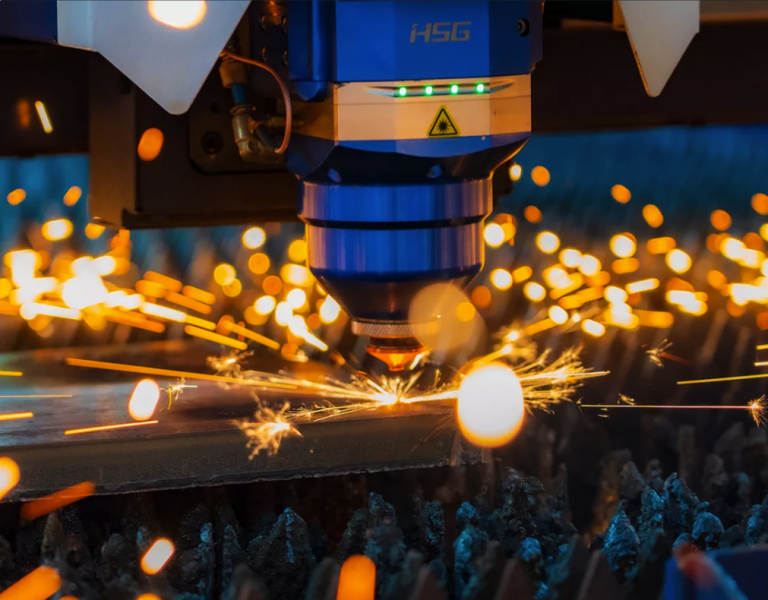
Precision is paramount in metal fabrication, and advanced technologies like laser cutting and CNC machining have revolutionized the field. These technologies offer unparalleled accuracy, allowing for complex designs and tighter tolerances. By integrating these tools into their processes, companies can achieve higher precision, reduce errors, and produce superior-quality products.
Moreover, the use of automation and robotics in metal fabrication can further enhance precision. Automated systems can perform repetitive tasks with consistent accuracy, reducing the likelihood of human error. This not only improves product quality but also increases production speed, enabling companies to meet tight deadlines without compromising on precision.
Streamlining Processes for Cost Reduction
Cost reduction is a critical objective for any metal fabrication business, and streamlining processes is a key strategy to achieve it. Implementing process optimization techniques such as value stream mapping can help identify inefficiencies and bottlenecks in the production line. By addressing these issues, companies can reduce lead times, lower labor costs, and improve overall productivity.
Another effective approach is to invest in energy-efficient equipment and technologies. By reducing energy consumption, companies can significantly cut down on operational costs. Additionally, adopting a just-in-time inventory system can minimize storage costs and reduce waste, further contributing to cost savings. These strategies not only enhance profitability but also position companies for long-term success in a competitive market.
Building a Skilled Workforce for Future Success
The shortage of skilled labor is a pressing issue in the metal fabrication industry, and building a skilled workforce is essential for future success. Companies must invest in training and development programs to equip their employees with the necessary skills to operate advanced technologies and adapt to industry changes. By fostering a culture of continuous learning, businesses can ensure their workforce remains competent and innovative.
In addition to training, companies should focus on attracting new talent by promoting the opportunities and advancements within the industry. Collaborating with educational institutions to create apprenticeship and internship programs can help bridge the skills gap and inspire the next generation of metal fabricators. By prioritizing workforce development, companies can secure a competitive edge and drive the industry forward.
Overcoming the challenges in metal fabrication is not only possible but essential for companies seeking to maintain a competitive edge in today’s dynamic market. By understanding the hurdles and implementing innovative solutions, businesses can enhance material efficiency, precision, and process streamlining while also addressing the critical issue of workforce development. These strategies will not only improve current operations but also lay the groundwork for future success, ensuring that companies can adapt to changing demands and continue to thrive. Embracing these changes is not just a necessity—it’s an opportunity to lead the industry into a new era of excellence and sustainability.
Metal fabrication is an essential component of modern manufacturing, integral to sectors such as automotive and aerospace. Despite its significance, it presents various challenges that can impede productivity and efficiency. To stay competitive and meet growing market demands, businesses must proactively tackle these issues. This article delves into the top five challenges in metal fabrication and provides strategic solutions to overcome them, fostering a more streamlined, cost-effective, and innovative production process.
Key Challenges in Metal Fabrication
- Labor Shortages: Skilled labor is increasingly scarce, impacting production timelines.
- Technological Advancements: Keeping up with rapid technological changes requires continuous investment.
- Material Costs: Fluctuating material prices can affect budgeting and forecasting.
- Quality Control: Ensuring consistent quality while maintaining speed is a persistent challenge.
- Environmental Regulations: Compliance with stringent regulations can be costly and complex.
Strategies for Overcoming Challenges
To address these challenges, businesses can invest in workforce training, adopt advanced technologies, and implement effective quality control systems. Additionally, strategic supplier partnerships can help stabilize material costs, while a focus on sustainable practices can ease compliance with environmental regulations.
Maintenance Tips
- Regularly inspect equipment for wear and tear to prevent unexpected downtime.
- Implement a preventive maintenance schedule to extend the lifespan of machines.
- Train employees on proper machine handling to reduce the risk of damage.
Buying Advice
When purchasing metal fabrication equipment, consider the following:
- Evaluate the long-term return on investment versus initial costs.
- Choose machines that are compatible with existing systems to minimize integration issues.
- Prioritize flexibility to accommodate future technological advancements.
Frequently Asked Questions
What are the most common materials used in metal fabrication?
Common materials include steel, aluminum, copper, and alloys, each chosen for specific properties like strength, weight, and resistance to corrosion.
How can I reduce waste in my metal fabrication process?
Implementing lean manufacturing principles and using advanced software for precise cutting can significantly reduce waste.
What safety measures should be in place in a metal fabrication facility?
Ensure proper ventilation, use personal protective equipment, and conduct regular safety training for all employees.
How does automation impact metal fabrication?
Automation enhances efficiency and consistency, reduces labor costs, and allows for the handling of complex tasks with precision.
What should I look for in a metal fabrication partner?
Look for experience, a strong track record of quality, and the ability to meet your specific production needs and timelines.
Overcoming the Top 5 Challenges in Metal Fabrication