Optimizing Strength and Weight in Metal Selection for Lightweight Fabrication Projects
When quality, safety, and efficiency are priorities on your shop floor, choosing the right metal for your fabrication projects becomes far more than a material decision. It’s a matter of work ethic and technical expertise. You want to deliver products that perform as required, weigh less, and help your company stay competitive. Striking the ideal balance between strength and weight is essential for any production or operations manager aiming for cost-effective, high-performance solutions. Here’s a straightforward guide you can put into practice while planning and executing lightweight fabrication projects.
Understanding the Relationship Between Strength and Weight in Metals
In metal fabrication, strength doesn’t automatically mean heaviness. The best lightweight projects maximize the ratio of a material’s load-bearing capacity (strength) to its mass (weight). Often, increasing strength means a thicker or denser metal, which can lead to overbuilt and heavy products. The real challenge—especially in industries like automotive, aerospace, or furniture manufacturing—is maintaining robust structural integrity while reducing material use.
This is where technical knowledge pays off. Understanding how to “right-size” a component—using just enough metal, arranged in smart geometry—can allow teams to use lighter metals or shapes while still meeting performance standards. Consider aluminum: stronger than many plastics at a much lower density than steel, so it often replaces heavier metals in brackets or enclosures.
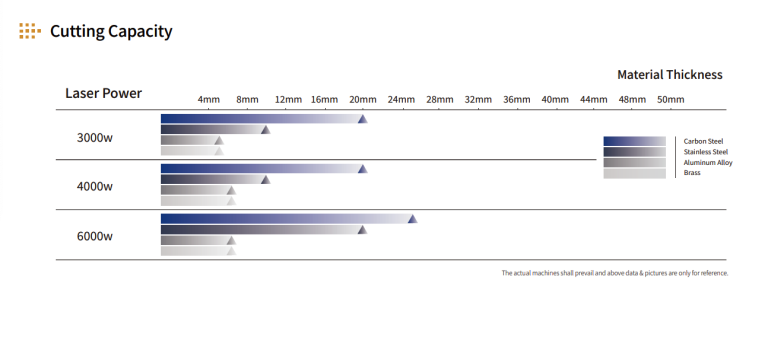
For sales teams and operational planning, emphasizing the long-term benefits in transport savings and easier handling can help justify the initial material selection costs. If your shop uses advanced CNC or laser cutting equipment, optimizing part geometries for lighter weights can also speed up cycle times and reduce tool wear.
Evaluating Key Metal Properties for Lightweight Fabrication
Choosing metals for lightness doesn’t mean compromising quality. Yield strength (how much stress the metal can absorb before it starts to deform), tensile strength, and hardness all factor into material selection. Don’t overlook corrosion resistance or machinability—these determine not only performance but also how easily the material moves through your production lines.
Sales solutions include presenting customers alloy options that provide not just lightness but also longevity (such as 6061-T6 aluminum for its corrosion resistance and machine-friendly properties). From a technical standpoint, machine operators should look for metals compatible with their equipment’s maximum feed rates and spindle speeds to prevent bottlenecks.
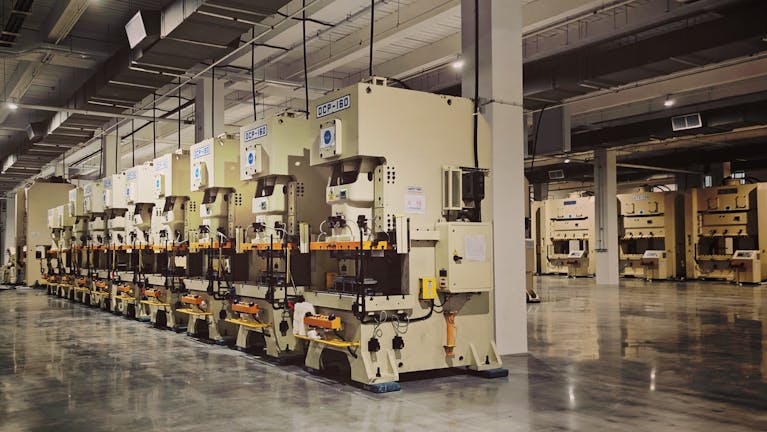
On the logistics side, lighter metals are easier to transport and reposition in a shop. Sheet metal brakes, turret punches, and robotic welders all benefit from handling lighter materials—translating into faster assembly, fewer workplace injuries, and smoother integration into existing automation systems.
Comparing Common Lightweight Metals and Alloys
Aluminum, magnesium, and titanium are the major players in lightweight fabrication. Aluminum alloys are most widely used due to their excellent price-to-weight ratio and ease of machining. Magnesium is even lighter than aluminum, but requires special machines due to its flammability and lower strength. Titanium provides high strength and corrosion resistance but is expensive and harder to machine.
From a sales perspective, matching the alloy to the actual load and environmental conditions can be a strong talking point. For shops, consider CNC machines with mist coolant systems and high spindle rpm for aluminum, or even specialized titanium cutting tools when working with tougher alloys.
Progressive assembly—arranging workstations in sequence so that lighter, sub-assembled parts are passed down the line—can reduce material handling and prevent bottlenecks. Keep in mind that alloys like 5052 or 7075 aluminum may require specific forming or tempering equipment, so plan machine requirements accordingly.
Tailoring Metal Choice to Specific Fabrication Applications
No two jobs are exactly alike. Automotive chassis demand impact resistance without weight penalties, while architectural panels prioritize weathering and ease of installation. Understanding your customer’s real needs enables you to propose the right balance of material, cost, and producibility.
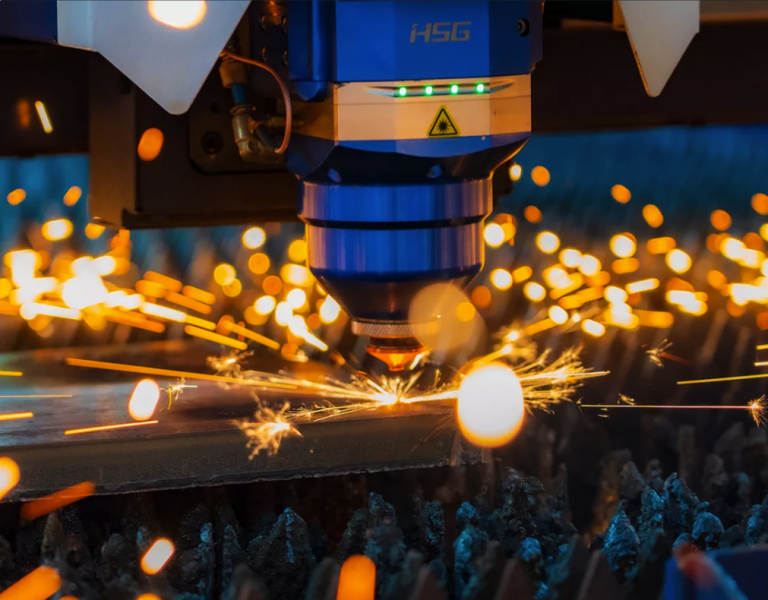
Technically, lightweight metals often benefit from laser or plasma cutting to maintain edge quality and minimize distortion. For heavier-duty applications, press brakes with precision backgauges ensure repeatable bends without excessive handling. If rapid prototyping is part of your process, ensure your machines are flexible enough to switch metals or thicknesses with minimal downtime.
For sales teams, emphasize not just the “what” but the “why”—offering detailed comparisons between materials to address durability and assembly speed. Logistically, lighter assemblies are easier to move between machines, reducing forklift traffic and speeding flow through the shop.
Implementing Design Strategies to Maximize Performance and Minimize Mass
It’s not only about material selection—the way parts are designed makes a huge difference. Efficient designs use ribbing, gussets, or folded flanges to add rigidity without extra weight. Consider replacing solid blocks with extrusions or hollow forms where possible.
Machine operators can save time and reduce rework by using fiber laser cutters for intricate shapes and automated deburring machines to prep lighter sections quickly. Welding robotics or modular fixturing systems also help assemble lighter parts precisely and with less manual repositioning.
From a production management perspective, adopting a progressive build strategy (moving assemblies from one process to the next, fully utilizing automation, and minimizing unnecessary lifts) supports both quality and throughput. Fewer touches mean lower risk of damage and faster delivery to customers.
Frequently Asked Questions
What are the main benefits of choosing lightweight metals?
Lighter metals reduce shipping costs, improve handling on the shop floor, and often speed up fabrication processes.
How do lightweight materials impact machine requirements?
Lighter metals usually allow for higher cutting or forming speeds and reduce equipment strain, but tougher grades may need specific tooling or cooling systems.
Is aluminum always the best choice for lightweight applications?
Not always. Aluminum works for many cases, but applications requiring extreme strength or corrosion resistance might do better with titanium or high-strength steel alloys.
Are there cost trade-offs to using lighter, more advanced metals?
Yes. While upfront material costs can be higher, the savings from faster production, lower shipping weight, and longer lifespan often balance or exceed the difference.
How can shops minimize material waste with lightweight metals?
Using automated nesting for sheet metal, progressive dies, and machines optimized for thin sections can greatly reduce scrap and maximize yield.
A lighter product doesn’t have to come at the expense of strength, reliability, or shop efficiency. By understanding the properties of metals, matching them to your customer’s requirements, and investing in machines and processes designed for light fabrication, you can achieve both cost and quality objectives. Paying attention to logistics and progressive assembly further reduces handling and maximizes throughput. Make these choices early in the design and planning phases, and you’ll help your team consistently deliver lightweight, high-performance fabrications that set your shop apart.
For more advice on material selection and production strategies that boost your bottom line, reach out to your trusted metal supplier or fabrication consultant. Your results speak volumes—make sure your material choices do, too.
Need guidance on selecting the ideal lightweight metals for your next project? Our team is here to support your operational goals with the latest insights and machinery recommendations. Reach out to us for expert advice on all your metal fabrication challenges.
Choosing the right metal for lightweight fabrication projects is crucial for ensuring quality, safety, and efficiency on the shop floor. It’s not just a matter of selecting a material; it’s about making a decision that aligns with your work ethic and technical expertise. The goal is to produce items that meet performance standards while remaining lightweight, helping your company maintain a competitive edge. Striking the perfect balance between strength and weight is vital for production and operations managers who are pursuing cost-effective and high-performance solutions. This guide provides practical insights into understanding the relationship between strength and weight in metals, enabling you to make informed decisions for your fabrication projects.
Maintenance Tips
- Regularly inspect metal components for signs of wear or corrosion.
- Ensure proper storage to prevent deformation or damage.
- Keep the fabrication area clean to avoid contamination of metal surfaces.
- Lubricate moving parts to reduce friction and wear.
Typical Cost Ranges
The cost of metals for lightweight fabrication can vary significantly based on the type of metal, thickness, and treatment. Here are some average ranges:
- Aluminum: $2 – $5 per pound
- Titanium: $10 – $30 per pound
- Magnesium: $3 – $7 per pound
- Carbon Fiber: $15 – $25 per pound
Performance Specs
- Aluminum: High strength-to-weight ratio, good corrosion resistance.
- Titanium: Excellent strength, lightweight, high corrosion resistance.
- Magnesium: Very light, moderate strength, good machinability.
- Carbon Fiber: Extremely high strength-to-weight ratio, excellent rigidity.
Buying Advice
- Consider the specific application and environment to choose the appropriate metal.
- Evaluate the long-term cost implications, including maintenance and durability.
- Source metals from reputable suppliers to ensure quality and consistency.
- Balance the initial cost with the performance benefits over the product’s lifespan.
FAQs
What factors should I consider when selecting metals for lightweight fabrication?
Consider the metal’s strength-to-weight ratio, corrosion resistance, machinability, and cost.
Why is the strength-to-weight ratio important in metal selection?
The strength-to-weight ratio determines how well the metal can perform under stress while maintaining a lightweight structure, which is crucial for applications where weight reduction is necessary.
How does corrosion resistance impact metal selection?
Corrosion resistance ensures the longevity and durability of the metal, especially in environments exposed to moisture, chemicals, or extreme temperatures.
Is aluminum always the best choice for lightweight applications?
While aluminum is popular for its lightweight and good strength, the best choice depends on specific project requirements, including environmental factors and cost.
Can I mix different metals in a single project?
Yes, combining metals can optimize performance characteristics, but consider potential galvanic corrosion when different metals are in contact.
How can I ensure I am choosing the right supplier for my metal needs?
Look for suppliers with a good reputation, consistent product quality, and the ability to provide material certifications.
Optimizing Strength and Weight in Metal Selection for Lightweight Fabrication Projects