Optimizing Edge Quality in Metal Shearing for Steel, Aluminum, and Stainless Applications
Every production manager knows that meeting deadlines and delivering top-notch quality runs deeper than getting the product out the door. It’s about making the right decisions with your workforce, your machines, and the raw materials that power your operation. Edge quality in metal shearing is critical to fabricating reliable, high-performance parts, especially as expectations for burr-free, precise, and assembly-ready components keep rising. Running a shop well isn’t just about knowing the specs; it’s about real-world application, empowering your team with practical processes, and making wise investments to improve quality and efficiency continually.
Understanding Material Properties and Their Impact on Edge Quality
Steel, aluminum, and stainless steel might look similar, but the way they behave under a shear blade couldn’t be more different. Carbon steel, sturdy and often used for structural parts, tends to produce more burr, especially as strength increases. Stainless steel offers corrosion resistance but is prone to work hardening, making it tougher to shear cleanly. Aluminum, being softer, is more susceptible to edge deformation if not handled with care, but it generally produces less burr.
Understanding these nuances lets you set expectations with your customers and manage scrap rates. Inventory planning and machine scheduling should address the variations in hardness and ductility. Inviting your shearing equipment suppliers to demo on all your key material types can lead to smarter purchases and a performance boost for your team, as they get hands-on insight directly tied to your workload.
Selecting the Right Shearing Method for Each Metal Type
Choosing between guillotine shears, rotary shears, and even precision laser shearing (for ultra-critical edges) can make or break your edge quality goals. For heavy-gauge steel or stainless, a robust guillotine (swing beam or variable rake) is a staple, offering controlled cuts and the power needed for tough workpieces. Aluminum often benefits from rotary shears or fine blanking that reduce the risk of edge rollover.
A sales-driven solution here is to evaluate the shop’s workload: If product mix shifts to thinner, more cosmetic parts, investing in high-end, servo-driven shears pays off. Logistically, position your shearing operation near downstream forming or assembly lines for “first-in, first-out” efficiency and less material handling. Consider modular shearing systems so you can adapt production cells to different metals just by swapping blade types and settings, streamlining changeover time.
Tooling Choices to Minimize Burr and Distortion
Nothing kills efficiency faster than secondary deburring. The sharpness and clearance of shear blades are crucial in controlling burr and distortion right at the source. Softer metals like aluminum require sharp blades with minimal clearance to avoid edge folding. Hardened tool steels (like D2 or H13) with precision sharpening last longer for stainless and carbon grades.
Purchasing high-quality blades is a sales-driven investment that, over time, lowers maintenance costs and improves throughput. Keep an on-site inventory of your most-used tooling configurations, and adopt a scheduled maintenance program for sharpening. For progressive shops, magnetic sheet supports, automatic scrap conveyors, and off-line blade grinding machines further minimize downtime and manual handling.
Process Parameter Optimization for Consistent Results
Even with the best tools, edge quality relies on dialing in your process parameters. Blade gap, rake angle, and hold-down pressure should all be tuned to suit each run. Use manufacturer-recommended starting points for each metal, then train operators on “first article” test cuts to optimize these settings.
Automated CNC shears shine here, as they store recipes for blade gap and sequence settings per job, delivering repeatable accuracy. In terms of logistics, a digital production schedule can push setup specs directly to the operator terminal, cutting setup errors and shave time. A machine’s ability to integrate with upstream (coil line) and downstream (stacking, packaging, or forming) systems streamlines parts flow, paving the way for assembly-line efficiencies.
Inspection Techniques to Ensure Optimal Edge Finish
No matter how advanced the process, you need a reliable way to verify your edge quality before parts move downstream. Visual checks, calibrated burr gauges, and edge “mic” measurements meet most needs, but specialty jobs may demand profilometers or even in-line vision systems for instant quality assurance.
Integrate inspection with production by training operators to check edges during and after shearing. A progressive approach puts go/no-go gauges right at the workstation, feeding inspection data back to maintenance and process teams for continual improvement. If you’re producing for industries with traceability demands, invest in systems that log shearing parameters and inspection results for full process accountability.
FAQ
How does high-quality shearing equipment lower overall production costs?
Top-shelf machines reduce scrap, minimize secondary operations like deburring, and deliver more consistent results, saving labor and material over time.
Which machine type is best for stainless steel edge quality?
A variable rake guillotine shear with high-hardness blades is ideal for clean cuts and reduced burr on stainless.
Should I store different blades for each metal in my inventory?
Yes, it’s wise. Matching the blade type to the material maximizes edge quality and blade life.
How do automated settings boost efficiency?
They reduce setup times and operator errors by recalling optimal parameters for each job at the push of a button.
Is inline inspection worth the investment for my size shop?
For moderate to high volume or tight-tolerance work, inline inspection pays off by catching problems instantly and reducing defects downstream.
Can better edge quality speed up downstream assembly?
Absolutely. Cleaner edges mean less rework, faster fit-up, and lower tool wear in subsequent forming or joining processes.
Creating top-notch edge quality in metal shearing isn’t just a matter of pride; it’s a smart business move. With well-matched machines, tuned processes, and ongoing inspection, you put your team and your operation in the best position for success. Keep learning, keep improving, and let edge quality drive your efficiency and reputation forward.
Optimizing edge quality in metal shearing is essential for producing high-performance parts in steel, aluminum, and stainless applications. This process is crucial for ensuring burr-free, precise, and assembly-ready components, which are increasingly demanded in today’s competitive market. The challenge lies not only in understanding the technical specifications but also in applying real-world solutions that enhance quality and efficiency. Successful operations depend on effectively managing workforce, machine capabilities, and material properties to make informed decisions that impact production quality.
Maintenance Tips
- Regularly inspect and sharpen shearing blades to maintain precision and reduce burrs.
- Ensure proper alignment and tensioning of the machine components to avoid uneven cuts.
- Lubricate moving parts frequently to minimize wear and tear.
- Check hydraulic systems for leaks or pressure issues and address them promptly.
Typical Cost Ranges
The cost of metal shearing machines can vary widely based on capacity, brand, and features. Basic models start around $10,000, while high-end, automated systems can exceed $100,000.
Performance Specs
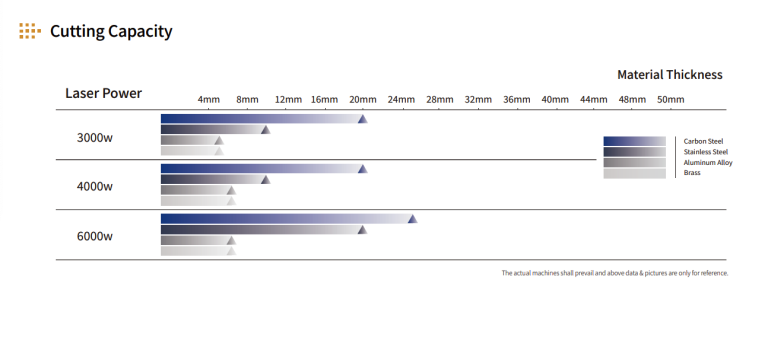
- Cutting capacity: up to 25 mm for steel, 20 mm for aluminum, and 15 mm for stainless steel.
- Blade length options: from 1,500 mm to 6,000 mm.
- Cutting speed: up to 20 strokes per minute, depending on material thickness.
Buying Advice
- Consider the types of materials most frequently processed when selecting a machine.
- Evaluate the cutting capacity required for your typical production volumes.
- Look for machines with adjustable settings to handle a range of thicknesses and materials.
- Invest in a reputable brand with a strong service network for support and maintenance.
FAQs
What is the primary factor affecting edge quality in metal shearing? The primary factor is the condition of the shearing blades. Sharp, well-maintained blades are crucial for achieving clean cuts without burrs. How can I reduce burrs in the shearing process? Ensure that the blades are sharp and properly aligned. Adjust the cutting clearance according to the material thickness and type. Is there a difference in shearing performance between steel and aluminum? Yes, aluminum typically requires less force to shear compared to steel, which can affect the choice of machine and settings used. How often should I perform maintenance on a shearing machine? Regular maintenance should be performed monthly, with a thorough inspection every six months to ensure optimal performance. Can automated shearing machines improve efficiency? Yes, automated machines can significantly increase production speed and consistency while reducing manual labor costs. What safety precautions should be taken during the shearing process? Operators should wear appropriate protective gear, and machines should have safety guards and emergency stop functions installed.Optimizing Edge Quality in Metal Shearing for Steel, Aluminum, and Stainless Applications