Maximizing Efficiency in Metal Fabrication
In the dynamic world of metal fabrication, efficiency is the key to staying competitive and profitable. Buyers of brake presses, shears, folders, roll formers, and other essential machinery are constantly seeking ways to enhance their operations. This article explores strategies to maximize efficiency in metal fabrication, focusing on streamlining workflow, leveraging technology, and investing in training and skill development for your team.
Streamlining Workflow for Better Productivity
To achieve optimal productivity in metal fabrication, it’s crucial to streamline your workflow. Here are some strategies to consider:
-
Assess Current Processes: Begin by evaluating your existing workflow. Identify bottlenecks and areas where delays frequently occur. This assessment will provide a clear picture of where improvements are needed.
-
Implement Lean Manufacturing Principles: Adopt lean manufacturing techniques to minimize waste and maximize efficiency. This includes practices like just-in-time production, continuous improvement, and value stream mapping.
-
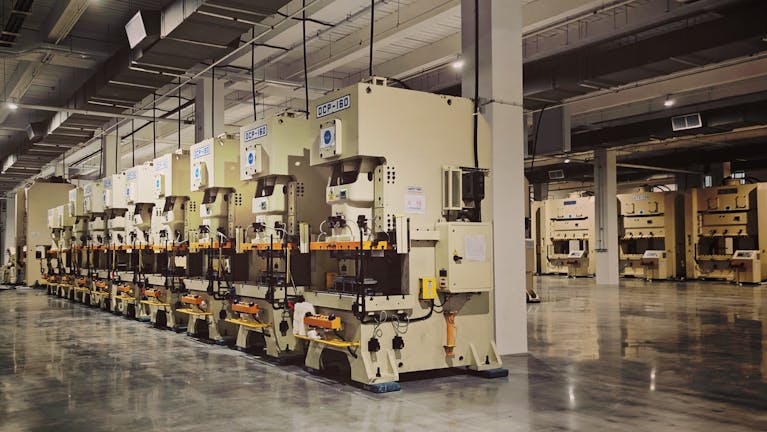
Optimize Layout and Space Utilization: Ensure that your shop floor layout is designed for efficiency. Equipment should be arranged to minimize unnecessary movement and transportation of materials.
-
Standardize Procedures: Develop standard operating procedures (SOPs) for common tasks. This not only reduces variability but also ensures that all team members are on the same page.
-
Enhance Communication: Foster open communication among team members to quickly address issues and share solutions. Regular meetings and updates can help keep everyone aligned.
Leveraging Technology in Metal Fabrication
Technology plays a pivotal role in enhancing efficiency in metal fabrication. Here are some ways to leverage it effectively:
-
Invest in Advanced Machinery: Modern brake presses, shears, and roll formers come with features that significantly boost productivity. Look for machines with automation capabilities, precision controls, and quick setup times.
-
Utilize CAD/CAM Software: Computer-aided design (CAD) and computer-aided manufacturing (CAM) software streamline the design and production process. They allow for precise planning, reducing errors and material waste.
-
Implement IoT and Smart Manufacturing: The Internet of Things (IoT) enables real-time monitoring of equipment and processes. Smart manufacturing systems can predict maintenance needs, reducing downtime and extending the lifespan of machinery.
-
Adopt Robotics and Automation: Automation can handle repetitive tasks with high precision, freeing up human resources for more complex activities. Consider integrating robotic systems for tasks like welding, cutting, and assembly.
Training and Skill Development for Your Team
A well-trained team is essential for maximizing efficiency in metal fabrication. Here’s how to invest in your workforce:
-
Conduct Regular Training Sessions: Keep your team updated with the latest industry trends and technologies. Regular training sessions ensure that employees are proficient with new equipment and processes.
-
Encourage Cross-Training: Cross-training employees in multiple roles increases flexibility and reduces dependency on specific individuals. This approach ensures that operations continue smoothly even when key personnel are unavailable.
-
Promote a Culture of Continuous Improvement: Encourage your team to seek out and suggest improvements. A culture that values innovation and problem-solving can lead to significant efficiency gains.
-
Provide Access to Online Resources: Offer access to online courses, webinars, and industry publications. This empowers employees to learn at their own pace and stay informed about best practices.
Maximizing efficiency in metal fabrication requires a multifaceted approach that includes streamlining workflows, leveraging cutting-edge technology, and investing in the continuous development of your team. By implementing these strategies, metal fabrication companies can enhance productivity, reduce costs, and maintain a competitive edge in the industry. For more insights and resources on how to achieve these goals, visit Maximizing Efficiency in Metal Fabrication.
In the competitive realm of metal fabrication, efficiency is paramount for maintaining profitability and staying ahead in the industry. This article delves into strategies for maximizing efficiency, focusing on workflow optimization, the integration of advanced technologies, and the importance of training and skill development for the workforce. Key machinery such as brake presses, shears, folders, and roll formers are central to these efforts. By assessing current processes, identifying bottlenecks, and leveraging modern technology, businesses can significantly enhance their productivity and operational efficiency.
Maintenance Tips
- Regularly inspect and maintain machinery to prevent unexpected breakdowns.
- Ensure all moving parts are well-lubricated to reduce wear and tear.
- Schedule periodic checks by qualified technicians to keep equipment in peak condition.
Typical Cost Ranges
- Brake Presses: $50,000 – $250,000
- Shears: $20,000 – $150,000
- Folders: $30,000 – $100,000
- Roll Formers: $70,000 – $200,000
Performance Specs
- Brake Presses: Up to 500 tons of pressing force
- Shears: Cutting thickness up to ½-inch steel
- Folders: Bending length up to 10 feet
- Roll Formers: Speed up to 100 feet per minute
Buying Advice
When purchasing metal fabrication machinery, consider the specific needs of your operations, including the types of materials you work with and the production volumes required. Investing in high-quality, durable machinery will pay off in the long run through better efficiency and reduced downtime. Additionally, consider the availability of after-sales support and service contracts.
FAQs
What are the key factors to consider when streamlining workflow?
Key factors include identifying process bottlenecks, employing lean manufacturing techniques, and using software solutions for better workflow management.
How can technology enhance metal fabrication efficiency?
Advanced technologies, such as CNC machines and automated systems, can significantly increase precision, reduce waste, and speed up production times.
What role does employee training play in improving efficiency?
Training ensures that employees are skilled in the latest techniques and technologies, leading to improved productivity and reduced error rates.
How often should machinery be serviced?
Regular maintenance should be scheduled at least every six months, with more frequent checks for high-use equipment.
What are the signs that a machine needs maintenance?
Signs include unusual noises, decreased performance, and visible wear on components.
Is it better to buy or lease metal fabrication equipment?
Buying is usually more cost-effective for long-term use, while leasing can be beneficial for short-term projects or when capital is limited.
Maximizing Efficiency in Metal Fabrication