Mastering Sheet Metal Cutting: Tips for the Pros
In the world of metal fabrication, mastering the art of sheet metal cutting is crucial for achieving high-quality results. Whether you’re a seasoned professional or just starting out, understanding the nuances of this craft can significantly impact your work’s efficiency and precision. This article delves into the essentials of sheet metal cutting, offering insights into selecting the right tools and advanced techniques to elevate your craftsmanship.
Understanding the Basics of Sheet Metal Cutting
Before diving into the complexities, it’s essential to grasp the fundamentals of sheet metal cutting. This process involves removing material from a metal sheet to create desired shapes and sizes. Here are some key points to consider:
- Material Type: Different metals have unique properties. Understanding the material you’re working with—be it aluminum, steel, or copper—will influence your cutting approach.
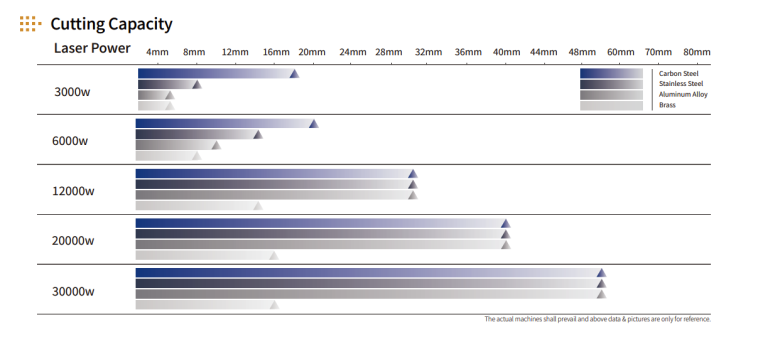
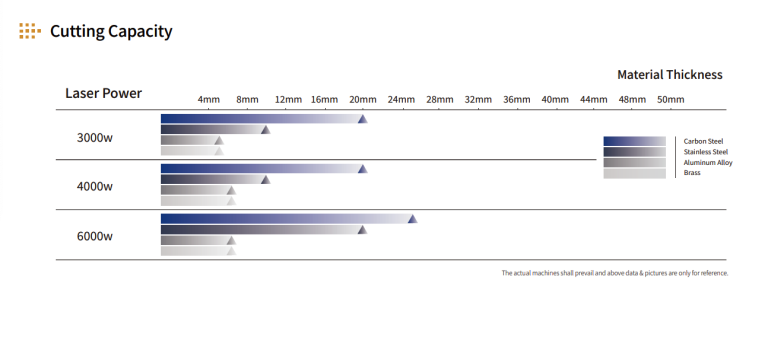
- Thickness Matters: The thickness of the metal sheet dictates the type of cutting tool and technique required. Thicker sheets may require more robust machinery, while thinner sheets can be cut with simpler tools.
- Cutting Methods: Common methods include shearing, laser cutting, and plasma cutting. Each method has its advantages and limitations, depending on the project requirements.
Choosing the Right Tools for Precision Cuts
Selecting the appropriate tools is paramount for achieving precise cuts in sheet metal. Here’s what you need to know:
- Brake Presses: Ideal for bending and shaping metal sheets. Ensure you choose a press with the right tonnage for your material thickness.
- Shears: Perfect for straight cuts. Look for models with adjustable blade clearance for different metal types.
- Folders: Useful for creating folds and bends. Opt for machines with programmable controls for repeatability.
- Roll Formers: Best for producing consistent profiles. Ensure the machine can handle the metal’s thickness and width.
“The right tool not only enhances precision but also boosts productivity,” says a seasoned metal fabricator. Always consider the specific needs of your projects when selecting equipment.
Advanced Techniques for Professional Results
Once you have the basics and tools down, it’s time to explore advanced techniques that can set your work apart:
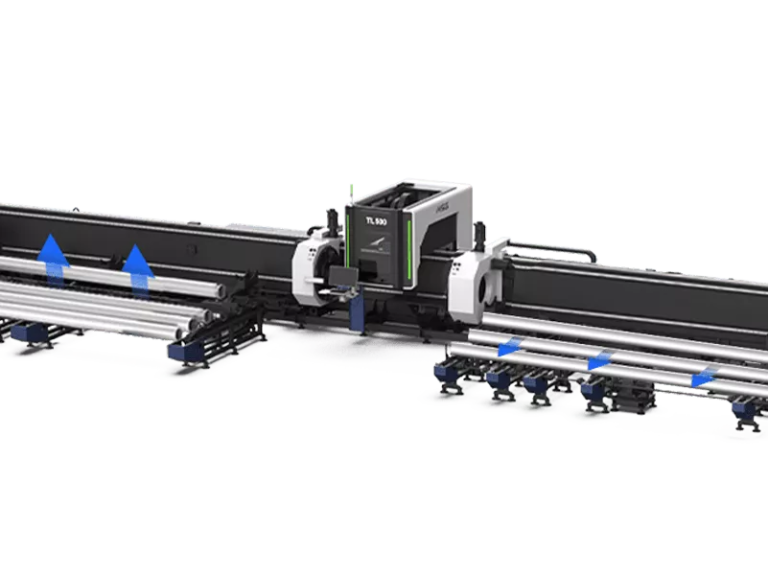
- CNC Technology: Incorporating CNC (Computer Numerical Control) machines can automate and enhance precision in cutting, reducing human error.
- Waterjet Cutting: This method uses high-pressure water mixed with abrasive materials to cut metals without generating heat, preserving the metal’s integrity.
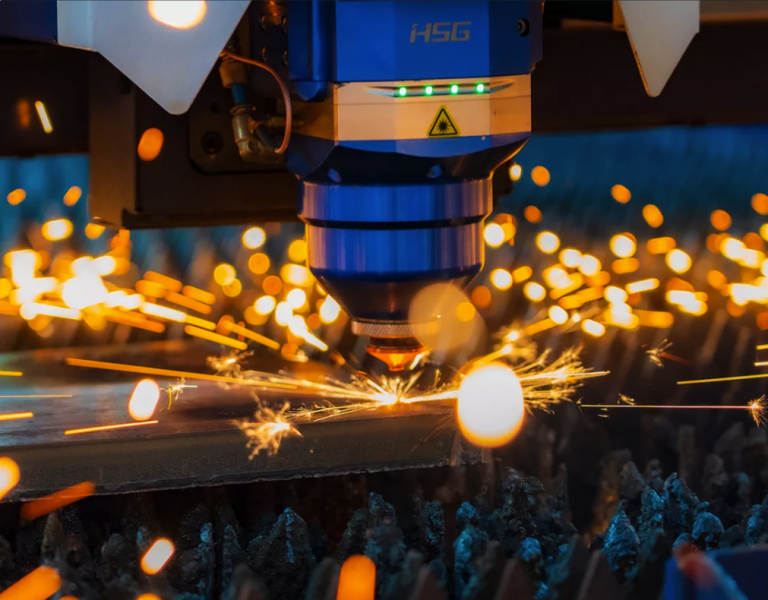
- Laser Cutting: Offers unparalleled precision and is ideal for intricate designs. Ensure your machine is calibrated correctly to avoid material wastage.
- Proper Maintenance: Regular maintenance of your tools and machines ensures longevity and consistent performance. Schedule routine checks and replace worn-out parts promptly.
By mastering these advanced techniques, you can achieve professional-grade results that meet the highest standards in metal fabrication.
Mastering sheet metal cutting is a journey that combines understanding the basics, choosing the right tools, and applying advanced techniques. As you refine your skills, you’ll find that precision and efficiency become second nature. For more in-depth information and resources on mastering sheet metal cutting, visit Mastering Sheet Metal Cutting.
Sheet metal cutting is a fundamental aspect of metal fabrication that requires precision and expertise. Whether you are an experienced professional or a novice, mastering this skill is essential for producing high-quality results. This guide explores the critical elements of sheet metal cutting, including the selection of appropriate tools and the implementation of advanced techniques to enhance efficiency and precision in your work. By understanding the basics and complexities of sheet metal cutting, you can significantly improve your craftsmanship and achieve superior outcomes.
Maintenance Tips
- Regularly inspect cutting tools for wear and tear to ensure clean cuts.
- Keep blades sharp and well-lubricated to prevent material deformation.
- Ensure machine calibration is performed periodically for accurate measurements.
Typical Cost Ranges
The cost of sheet metal cutting tools can vary widely depending on the type of tool and technology used. Basic hand tools may range from $50 to $200, while advanced CNC cutting machines can cost anywhere from $5,000 to over $100,000.
Performance Specs
- Material Thickness: Capable of cutting materials ranging from thin gauge metals to thicker sheets up to 1 inch.
- Cutting Speed: Varies by machine; CNC machines can achieve speeds of up to 200 inches per minute.
- Precision: Tolerance levels can be as precise as ±0.005 inches, depending on the tool used.
Buying Advice
- Consider the types of materials you will be cutting most frequently when choosing a tool or machine.
- Evaluate the importance of speed versus accuracy in your projects to determine the best tool fit.
- Assess the availability of replacement parts and ease of maintenance when selecting equipment.
FAQs
What is the most common method of sheet metal cutting?
The most common methods include shearing, laser cutting, plasma cutting, and waterjet cutting, each suited for different types of projects and materials.
How do I choose the right sheet metal cutting tool?
Consider the thickness and type of metal, the required precision, and your budget. For high precision, CNC machines are ideal, while for simpler tasks, hand tools may suffice.
Can sheet metal cutting tools be used on other materials?
Yes, many cutting tools designed for metal can also be used on other materials like plastic or wood, but always check the manufacturer’s guidelines.
What safety precautions should I take when cutting sheet metal?
Always wear protective gear, such as gloves and safety glasses, and ensure your workspace is clean and organized to prevent accidents.
How often should cutting tools be serviced?
Regular maintenance should be performed based on usage frequency, but typically every 6-12 months for high-usage tools.
What are the signs that a cutting tool needs replacement?
Dull blades, uneven cuts, and increased resistance during cutting are all indicators that a tool may need replacement.
Mastering Sheet Metal Cutting: Tips for the Pros