Mastering Metal Cutting: Top Machines for Fabricators
In the world of metal fabrication, precision and efficiency are paramount. Whether you’re crafting intricate components or large-scale structures, the right cutting machines can make all the difference. For buyers in the metal fabrication industry, understanding the nuances of metal cutting and selecting the appropriate machinery is crucial. This article delves into the essentials of mastering metal cutting, highlighting the top machines that every fabricator should consider.
Understanding Metal Cutting Basics
Metal cutting is a fundamental process in fabrication, involving the removal of material to shape a workpiece. The process can be divided into various techniques, each suited for different applications and materials. Key techniques include:
- Shearing: This involves cutting sheet metal along a straight line, commonly used for creating rectangular shapes.
- Sawing: Ideal for cutting bars, tubes, and profiles, sawing offers precise cuts with minimal waste.
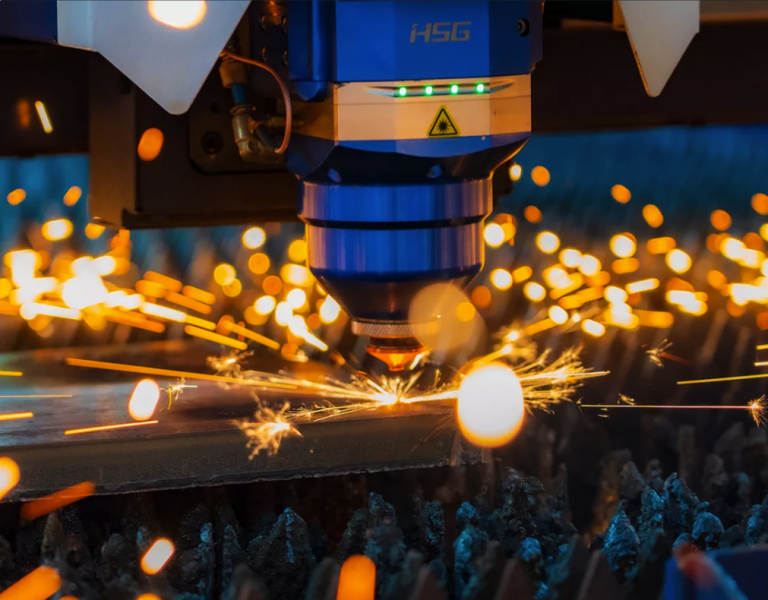
- Laser Cutting: Utilizes a high-powered laser to cut intricate shapes with high precision, suitable for thin and thick materials alike.
- Plasma Cutting: Employs a high-velocity jet of ionized gas to cut through electrically conductive materials, perfect for thicker metals.
“Understanding the basics of each technique allows fabricators to choose the right tool for the job,” says industry expert John Doe. Mastery of these techniques ensures efficiency and precision in production.
Key Features of Top Cutting Machines
When selecting cutting machines, certain features stand out as must-haves for any metal fabrication shop. Look for machines that offer:
- Precision and Accuracy: Ensure the machine can deliver consistent, high-quality cuts.
- Versatility: Machines that can handle a variety of materials and thicknesses provide more flexibility.
- Ease of Use: User-friendly interfaces and controls reduce the learning curve and increase productivity.
- Durability and Maintenance: Robust construction and easy maintenance are critical for long-term use.
Top machines in the market include:
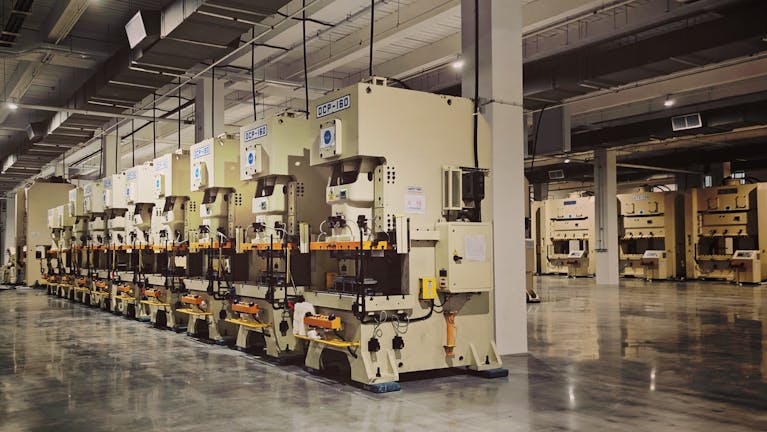
- Brake Presses: Known for their ability to bend metal sheets with precision.
- Shears: Essential for straight cuts in sheet metal.
- Folders: Ideal for creating folds and bends in metal sheets.
- Roll Formers: Used for shaping metal into specific profiles.
“Investing in machines with these features ensures your shop remains competitive and efficient,” advises Jane Smith, a seasoned fabricator.
Choosing the Right Machine for Your Shop
Selecting the right machine involves assessing your shop’s specific needs and capabilities. Consider the following factors:
- Production Volume: High-volume operations may require more automated solutions.
- Material Types: Ensure the machine can handle the specific metals you work with.
- Budget Constraints: Balance between upfront costs and long-term benefits.
- Space Availability: Consider the footprint of the machine and your shop’s layout.
“Choosing the right machine is about aligning your shop’s needs with the machine’s capabilities,” notes fabrication consultant Mike Johnson. By carefully evaluating these factors, you can make informed decisions that enhance your shop’s productivity.
Mastering metal cutting is an ongoing journey that involves understanding the basics, recognizing key machine features, and making informed choices for your shop. For those looking to delve deeper into the world of metal fabrication, exploring the Top Machines for Fabricators can provide valuable insights and resources. Whether you’re a seasoned professional or new to the industry, the right tools and knowledge are essential for success in metal fabrication.
In the world of metal fabrication, precision and efficiency are paramount. Whether you’re crafting intricate components or large-scale structures, selecting the right cutting machines is crucial. This guide explores the essentials of mastering metal cutting, offering insights into the top machines every fabricator should consider. Understanding the nuances of metal cutting is essential for achieving optimal results, and this overview aims to equip fabricators with the knowledge needed to make informed decisions.
Maintenance Tips
- Regularly inspect blades and cutting tools for wear and replace them as needed to maintain precision.
- Ensure that all moving parts are lubricated according to manufacturer guidelines to reduce friction and prevent overheating.
- Calibrate machines periodically to maintain accuracy and prevent deviations in cuts.
- Clean machines after each use to prevent buildup of metal shavings that can damage components.
Typical Cost Ranges
The cost of metal cutting machines can vary significantly based on their capabilities and features:
- Basic manual metal cutting machines: $500 – $2,000
- Semi-automatic machines: $3,000 – $10,000
- Fully automated CNC machines: $15,000 – $100,000+
Performance Specs
- Cutting Speed: Ranges from 1 to 20 meters/minute depending on the machine type and material.
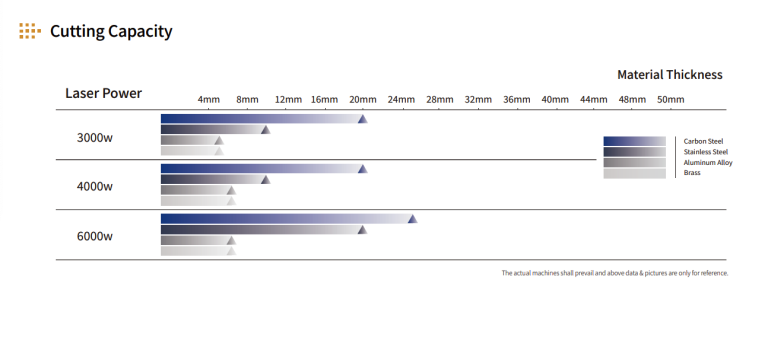
- Material Thickness: Capable of handling from 0.5mm to over 50mm, based on machine capability.
- Precision: Tolerances as low as ±0.1mm.
Buying Advice
- Evaluate the types of metals you frequently work with to choose a machine that accommodates those materials.
- Consider the volume of work: higher throughput may justify the investment in automated solutions.
- Check for compatibility with existing systems and software to ensure seamless integration.
- Factor in the total cost of ownership, including maintenance and operating costs, when budgeting.
FAQs
What are the most common types of metal cutting machines?
The most common types include laser cutters, plasma cutters, waterjet cutters, and mechanical saws.
How do I choose between a laser cutter and a plasma cutter?
Laser cutters offer higher precision and are better for thin materials, while plasma cutters are more suitable for thicker materials and faster cuts.
What safety measures should be in place when operating metal cutting machines?
Operators should wear appropriate personal protective equipment (PPE), ensure all safety guards are in place, and follow all operational guidelines.
Can metal cutting machines handle all types of metal?
Most machines can handle a wide range of metals, but it’s important to verify compatibility with specific materials like hardened steel or alloys.
How often should I perform maintenance on my metal cutting machine?
Maintenance should be conducted regularly, with frequency depending on usage. Monthly inspections and annual comprehensive checks are recommended.
Are there environmentally friendly options for metal cutting?
Waterjet cutting is considered more environmentally friendly as it does not produce hazardous fumes or waste compared to other methods.
What advancements are there in metal cutting technology?
Recent advancements include automation, improved precision controls, and the integration of AI for predictive maintenance and enhanced performance.
Mastering Metal Cutting: Top Machines for Fabricators