Master the Art of Selection: Your Ideal Plasma Cutter
In the world of metalworking, the plasma cutter stands out as an indispensable tool for both professionals and hobbyists. Its ability to slice through conductive metals with precision and speed makes it a favorite in workshops and garages alike. However, with a myriad of options available on the market, selecting the ideal plasma cutter can be overwhelming. This guide will arm you with the knowledge needed to navigate these choices and find the perfect fit for your cutting needs.
Discover the Perfect Plasma Cutter for You
Choosing the right plasma cutter begins with understanding your specific requirements. Are you a professional fabricator looking for a robust machine that can handle heavy-duty tasks daily, or a DIY enthusiast needing a compact, portable unit for occasional projects? Identifying your primary use case will narrow down your options significantly. Consider the thickness and type of metal you frequently work with, as these factors will influence the cutter’s power and capabilities.
Additionally, it’s crucial to assess your budget. Plasma cutters come in a wide range of prices, from affordable models suitable for home use to high-end machines designed for industrial applications. Establishing a budget early on will help you focus on options that offer the best value for your investment. Remember, the most expensive cutter isn’t necessarily the best one for you; it’s about finding a balance between cost and functionality that meets your needs.
Unleash Precision with the Right Tool
Precision is paramount in metalworking, and the right plasma cutter can significantly enhance the accuracy and quality of your cuts. A high-quality plasma cutter will allow you to execute intricate designs and achieve clean cuts with minimal slag. Look for models that offer adjustable cutting speeds and amperage settings, as these features enable you to tailor the machine’s performance to the specific material and thickness you’re working with.
Moreover, the torch design and consumables play a crucial role in achieving precision. Ergonomically designed torches that are comfortable to handle can reduce fatigue during extended use, allowing for more consistent results. Additionally, ensure that the cutter uses durable and easy-to-replace consumables, as this will not only maintain cutting precision over time but also reduce operational costs in the long run.
Key Features to Look for in a Plasma Cutter
When evaluating plasma cutters, several key features should be at the forefront of your decision-making process. Portability is essential if you need to move the cutter between job sites or store it in a limited space. Look for lightweight models with built-in handles or wheels for easy transport. Additionally, consider units with dual voltage capabilities, which offer flexibility to work in different environments with varying power supplies.
Another critical feature is the duty cycle, which indicates how long the cutter can operate continuously before needing a rest. A higher duty cycle is beneficial for extensive projects, ensuring uninterrupted work and efficiency. Also, consider the cutter’s pilot arc capability, which allows for cutting through painted or rusted surfaces without needing a clean start, thus saving time and effort in preparation.
How to Match Your Needs with Cutter Specs
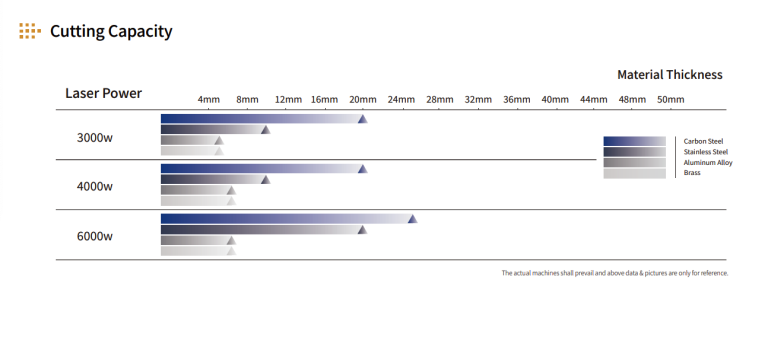
Matching your needs with the specifications of a plasma cutter requires a thorough understanding of the machine’s capabilities and your project demands. Begin by examining the cutter’s amperage range, as this will determine the thickness of metal it can effectively cut. For instance, higher amperage models are suitable for thicker materials, while lower amperage units work well for thinner metals and detailed work.
Next, consider the cutting speed, typically measured in inches per minute (IPM). A faster cutting speed can enhance productivity, especially in professional settings where time is of the essence. However, balance this with precision; sometimes, slower speeds are necessary for more delicate work. Evaluating these specs in the context of your typical projects will ensure you select a cutter that performs optimally for your tasks.
Avoid Common Mistakes in Cutter Selection
One common mistake in selecting a plasma cutter is overlooking the importance of power supply compatibility. Ensure that the cutter you choose can operate with the power outlets available in your workspace. Mismatched voltage can lead to performance issues or even damage the machine. Additionally, neglecting to consider the cost and availability of consumables can lead to higher long-term expenses, so research these factors thoroughly before making a purchase.
Another pitfall is underestimating the importance of a reliable warranty and customer support. Plasma cutters are an investment, and having the backing of a solid warranty can provide peace of mind. Choose brands that are known for their customer service and have a reputation for standing behind their products. This support can be invaluable if you encounter any issues or need assistance with your machine.
Make an Informed Purchase Decision Today
Armed with the knowledge of what to look for in a plasma cutter, you are now ready to make an informed purchase decision. Take the time to read reviews and testimonials from other users, as these can provide insights into the real-world performance and reliability of different models. Visiting forums and communities dedicated to metalworking can also offer valuable advice and recommendations from experienced users.
Finally, consider purchasing from reputable dealers who offer demonstrations and the opportunity to test the machine before buying. This hands-on experience can be crucial in ensuring the cutter meets your expectations in terms of handling, performance, and ease of use. By following these steps, you’ll be well on your way to selecting a plasma cutter that perfectly aligns with your needs and enhances your metalworking projects.
Mastering the art of selecting the ideal plasma cutter involves careful consideration of your specific needs, the machine’s features, and the potential pitfalls to avoid. By focusing on these areas, you can make a decision that not only meets your current requirements but also supports your future projects. Whether you’re a seasoned professional or a passionate hobbyist, the right plasma cutter can transform your metalworking experience, offering precision, efficiency, and satisfaction with every cut. Make your choice wisely, and watch as your projects come to life with unparalleled accuracy and ease.
In the world of metalworking, the plasma cutter is a vital tool for both professionals and hobbyists due to its ability to cut through conductive metals with remarkable precision and speed. This makes it a staple in workshops and garages. However, the vast array of available options can make selecting the ideal plasma cutter a daunting task. This guide will equip you with the necessary knowledge to navigate these choices and find the perfect model to meet your cutting needs.
Maintenance Tips
- Regularly inspect the torch for any signs of wear and tear, especially the nozzle and electrode.
- Ensure the air compressor is free of moisture and debris to maintain consistent performance.
- Replace consumables frequently to ensure clean, precise cuts and avoid damage to the machine.
- Keep the cutting surface clean and free from obstructions to prevent any interference with the plasma arc.
Typical Cost Ranges
The cost of plasma cutters can vary significantly based on the model and its features:
- Entry-Level Models: $300 – $500
- Mid-Range Models: $500 – $1,200
- Professional Models: $1,200 and up
Performance Specs
- Cutting Thickness: Typically ranges from 1/4 inch for entry-level to over 1 inch for professional-grade models.
- Duty Cycle: Varies between 35% to 60% depending on the model and settings.
- Input Voltage: Options typically include 110V, 220V, or dual voltage for versatile use.
- Cutting Speed: Measured in inches per minute (IPM), with higher-end models offering faster speeds.
Buying Advice
When selecting a plasma cutter, consider the following:
- Determine the maximum thickness of material you need to cut and choose a model accordingly.
- Consider the power supply available in your workspace and choose a compatible model.
- Evaluate the duty cycle to ensure it matches your workload requirements.
- Look for models offering features like pilot arc for cutting through rust or painted surfaces without pre-cleaning.
FAQs
What is a plasma cutter used for? A plasma cutter is used to cut through conductive metals such as steel, stainless steel, aluminum, brass, and copper with precision and speed. Do I need special training to use a plasma cutter? While not mandatory, training or practice is recommended to master the tool’s operation and ensure safety. Can plasma cutters cut all metal types? Plasma cutters are designed to cut conductive metals. Non-conductive metals like titanium may require specialized equipment. Is a higher duty cycle better? Yes, a higher duty cycle allows the plasma cutter to operate longer without overheating, beneficial for heavy-duty tasks. What accessories should I consider purchasing with a plasma cutter? Consider buying protective gear, an air compressor (if not included), and additional consumables for replacement. How does a pilot arc feature benefit me? The pilot arc allows cutting through painted or rusty surfaces without needing to clean them first, saving time and effort.Master the Art of Selection: Your Ideal Plasma Cutter