Key Industries Driving Demand for Metal Fabrication
Metal fabrication is a cornerstone of modern industry, providing essential components and structures for a wide range of applications. The demand for metal fabrication is driven by several key industries, each with its own unique requirements and innovations. In this article, we will explore how the construction, automotive, and aerospace sectors are fueling the need for advanced metal fabrication techniques and equipment.
Construction: Building the Future with Metal
The construction industry is a major driver of demand for metal fabrication. As urbanization continues to accelerate, the need for durable and versatile building materials becomes more critical. Metal fabrication plays a pivotal role in this sector by providing:
- Structural Components: Steel beams, columns, and trusses are essential for constructing skyscrapers, bridges, and other large structures. Their strength and durability make them ideal for supporting heavy loads.
- Architectural Features: Metal is often used for aesthetic purposes, such as facades, railings, and decorative elements. The ability to customize and shape metal allows architects to push the boundaries of design.
- Infrastructure Projects: Roads, railways, and airports rely on fabricated metal for everything from guardrails to terminals. The longevity and resilience of metal make it a preferred choice for infrastructure development.
The construction industry’s reliance on metal fabrication is expected to grow as new technologies like 3D printing and modular construction gain traction, further increasing the demand for precision and innovation in metalworking.
Automotive: Driving Innovation with Fabrication
The automotive industry is another significant contributor to the demand for metal fabrication. As vehicles become more advanced, the need for high-quality, lightweight, and durable metal components increases. Key areas where metal fabrication is crucial include:
- Body and Frame: The structural integrity of a vehicle depends on its body and frame, which are typically made from steel or aluminum. These materials offer the perfect balance of strength and weight.
- Engine and Transmission: Precision-engineered metal parts are essential for the performance and efficiency of engines and transmissions. Fabrication techniques like casting and machining are vital for producing these components.
- Safety Features: Modern vehicles incorporate numerous safety features, such as crumple zones and reinforced doors, which rely on fabricated metal to protect passengers in the event of a collision.
The push towards electric vehicles (EVs) is also reshaping the landscape of metal fabrication. EVs require specialized components, such as battery enclosures and lightweight frames, driving innovation and demand in the industry.
Aerospace: Reaching New Heights in Metal Use
The aerospace industry is at the forefront of technological advancement, and metal fabrication is a key enabler of this progress. Aircraft and spacecraft demand materials that can withstand extreme conditions while maintaining minimal weight. Metal fabrication supports the aerospace sector through:
- Aircraft Structures: The fuselage, wings, and landing gear of aircraft are primarily made from aluminum and titanium alloys. These materials offer the necessary strength-to-weight ratio for flight.
- Engine Components: Jet engines require precision-engineered metal parts that can endure high temperatures and pressures. Fabrication techniques like forging and welding are critical for producing these components.
- Space Exploration: The demands of space travel require materials that can withstand the harsh environment of space. Metal fabrication provides the necessary components for rockets, satellites, and space stations.
As the aerospace industry continues to innovate with new technologies like hypersonic travel and reusable rockets, the demand for advanced metal fabrication techniques will only increase.
The demand for metal fabrication is driven by the needs of key industries such as construction, automotive, and aerospace. Each of these sectors relies on the unique properties of metal to push the boundaries of what is possible, whether it’s building the tallest skyscrapers, creating the most efficient vehicles, or exploring the farthest reaches of space. For more insights into the {Key Industries Driving Demand for Metal Fabrication}, visit Mac-Tech.
Metal fabrication is a fundamental process in modern industry, crucial for creating essential components and structures across various applications. Key industries such as construction, automotive, and aerospace are significantly driving the demand for advanced metal fabrication techniques and equipment. The construction industry, in particular, relies heavily on metal fabrication due to the growing need for durable and versatile materials prompted by rapid urbanization. Meanwhile, the automotive and aerospace sectors demand precision and innovation in metal fabrication to meet their stringent performance and safety standards.
Maintenance Tips
- Regularly inspect machinery for wear and tear to prevent unexpected downtime.
- Ensure all moving parts are properly lubricated to reduce friction and extend equipment life.
- Keep all work areas clean and free from debris to prevent accidents and maintain efficiency.
- Schedule periodic professional maintenance checks to identify and resolve potential issues early.
Typical Cost Ranges
The cost of metal fabrication equipment can vary widely based on complexity and function. Basic equipment may start around $10,000, whereas advanced machinery with automation features can exceed $500,000. Factors such as brand, size, and technological advancements also influence pricing.
Performance Specs
- Precision: Advanced CNC machines can achieve tolerances as tight as ±0.005 inches.
- Speed: Modern laser cutting machines can cut metal sheets at speeds up to 120 inches per minute.
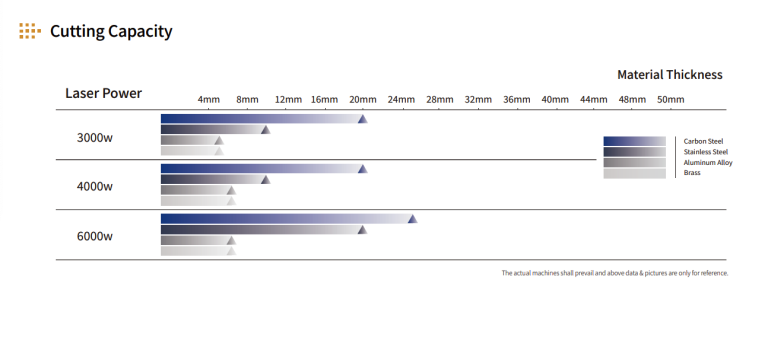
- Capacity: Fabrication equipment can handle materials of varying thicknesses, from 0.5 mm to 50 mm.
Buying Advice
When purchasing metal fabrication equipment, consider the specific needs of your industry and projects. Evaluate the equipment’s capacity, precision, and speed against your production requirements. It’s also crucial to factor in the long-term costs of maintenance and potential upgrades.
FAQs
What are the most common types of metal fabrication processes?
Common processes include cutting, bending, assembling, welding, and finishing. Each process can be performed using various techniques and equipment depending on the material and desired outcome.
How does automation impact metal fabrication?
Automation significantly increases efficiency and precision, reduces labor costs, and minimizes human error. It allows for more complex designs and higher production volumes.
What materials are typically used in metal fabrication?
Steel, aluminum, copper, and brass are commonly used materials, chosen for their strength, durability, and workability.
How is the metal fabrication industry addressing sustainability?
Many companies are adopting eco-friendly practices, such as recycling scrap metal, minimizing waste, and using energy-efficient machinery.
Why is precision important in metal fabrication?
Precision ensures that the final product meets exact specifications and quality standards, which is crucial for industries like aerospace and automotive where safety and performance are paramount.
What safety measures should be in place in a metal fabrication facility?
Safety measures should include proper training, use of personal protective equipment (PPE), regular equipment inspections, and adherence to safety protocols.
Key Industries Driving Demand for Metal Fabrication