Key Factors to Evaluate in a Fabrication Line Before Recommending a Power Upgrade
In the world of fabrication, making smart, forward-thinking decisions about power upgrades isn’t just about plugging in stronger equipment. It’s about diligence, experience, and considering every angle of your unique shop floor. When I walk into a fabrication line to assess whether a power upgrade is the best next move, I check all the technical boxes, but just as importantly, I listen to the people running the machines every day. No one knows your workflow better than you and your team, but often a fresh pair of experienced eyes can spot hidden inefficiencies or future-proofing opportunities. Here’s how I break down the critical steps and share the logic behind every recommendation I make, always with an eye on the bottom line and the seamless, safe operation of your shop.
Assessing Current Electrical Load Profiles and Patterns
Before recommending any power upgrade, it’s crucial to fully understand your shop’s current electrical usage. Start by tracking patterns over a typical production week. What time of day do you see the highest loads? Are there spikes that coincide with certain machines running together or shifts changing? Detailed logs from your power meters help show whether your present system is holding back production or operating close to its limit.
From a sales perspective, knowing your load profile means we’re not just selling more power “just in case.” Instead, we can recommend solutions that fit your actual demand. For example, if your CNC plasma cutters and press brakes cause spikes when run simultaneously, it might be more cost-effective to sequence their operation or invest in a load balancing system than to overhaul your entire electrical setup.
On the floor, efficiency equals progress. For progressive assembly processes to truly reduce material handling, electrical supply must be reliable and consistent. Converging work cells or lean automation often require a bigger draw, but identifying patterned inefficiencies lets us target upgrades where they drive real ROI—like routing additional power to automated welders during peak hours or implementing variable frequency drives (VFDs) to smooth out demand on heavy-duty shears or benders.
Identifying Equipment Sensitivities and Power Quality Requirements
Not all fabrication machines are created equal when it comes to power needs. Sensitive equipment, such as high-precision laser cutters or automated welding robots, require stable and clean power. Voltage dips, frequency fluctuations, or harmonic distortion can lead to faults, wasted materials, or even costly breakdowns.
Technical knowledge is key here. If you’re running older mechanical presses alongside newer servo-driven machines, blending their requirements on the same circuit can create unseen vulnerabilities. Frequently, I’ll recommend dedicated lines, isolated transformers, or even local power conditioning units (like uninterruptible power supplies or active filters) for your most delicate equipment.
This approach saves time, money, and headaches. On the sales end, it’s about offering precision-matched solutions: for example, recommending higher-grade voltage regulators for your 3D metal printers, or surge protection for integrated pick-and-place robotics. These investments safeguard not only your machinery but also production schedules and quality outcomes, reducing downtime due to preventable electrical glitches.
Evaluating Infrastructure Capacity and Future Scalability
Many shops underestimate the backbone needed to support both current operations and future growth. Upgrading a fabrication line for power typically means evaluating core infrastructure: panel boards, conduit capacity, transformers, and even building service feeds. If these are maxed out or outdated, adding new machines or automations could trip breakers or create safety issues.
A practical recommendation means looking further than your current needs. Are you considering a new powder-coat line next year? Do you plan to add more robotic welders as demand increases? Sometimes, it’s better to upsize now, saving on labor and downtime later. Investing in scalable infrastructure—like modular switchgear or oversized cable trays—means future upgrades can plug and play with less disruption.
For efficiency, progressive assembly lines or flexible cells tend to benefit from distributed power systems, where electrical drops are positioned for mobile or reconfigurable stations. This limits material handling, lets operators move equipment efficiently, and keeps the shop floor adaptable for whatever’s next—whether that’s additional high-speed saws or smart conveyors.
Analyzing Production Objectives and Efficiency Gains
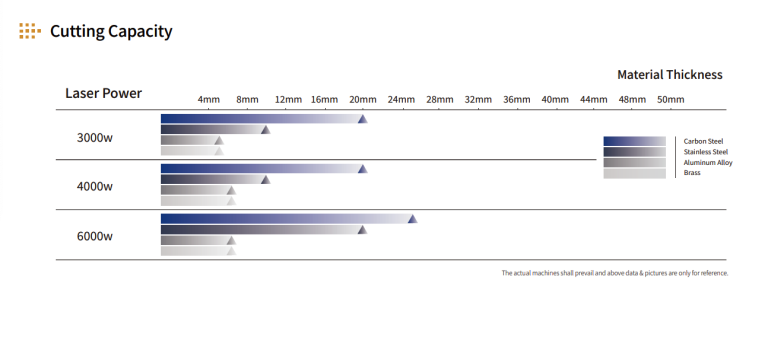
Power upgrades only make sense when they align with your production goals. If your objective is trimming cycle times or broadening your part mix, certain strategies pay off more. For instance, increasing amperage capability might permit the use of larger, more capable fiber lasers, boosting throughput for thick plate jobs and reducing job changeover time.
Sales insight comes from matching capability to need. If your bottleneck is in post-fabrication finishing, a targeted upgrade like an automated deburring cell on a dedicated circuit can speed up work-in-process flow and lower manual handling risk, rather than simply upping power everywhere. Knowing what machines drive your targets lets us recommend specific upgrades: more power-efficient induction benders, integrated finishing cells with automated feeders, or collaborative robots for assembly tasks.
From the floor up, integrating machines with similar cycle times and energy profiles close together can simplify both power routing and progressive assembly—leading to less material shuffling, shorter travel distances, and overall fewer human touchpoints.
Considering Safety, Compliance, and Reliability Standards
Electrical upgrades only add value if they’re safe and compliant. Every power change must follow code, but best practice means exceeding the minimum, especially in fabrication where dust, vibration, and the risk of arc flashes abound. Upgrading for safety might mean adding lockout points, more E-stops, or better labeling as part of expanded power distribution.
Reliability is non-negotiable. The more automated and continuous your operation, the bigger the cost of unexpected downtime. In sales, offering solutions like generator backup panels, remote diagnostic sensors, or surge-protected subpanels provides peace of mind and keeps production on track when disruptions threaten.
From a technical viewpoint, building reliability upfront—oversized buses, redundant feeds, or dual-source systems—is more efficient than firefighting after the fact. Logistical planning, such as routing new cableways above future expansion lines or adding bollards to protect power equipment on the shop floor, also fits your real-world workflow, keeping people and assets safe while maintaining high operational standards.
Frequently Asked Questions (FAQ)
How do I know if my shop really needs a power upgrade?
Start with a detailed load assessment—signs include frequent tripped breakers, visible slowdowns when adding equipment, or technicians warning about nearing capacity.
What are the main benefits of matching power to machine requirements?
You reduce waste, avoid costly faults or downtime, and make your investments last longer by ensuring each machine operates at its best.
Can power upgrades help us add more automation?
Absolutely. Many automated systems need clean, reliable power and possibly more amperage than manual tools. Upgrading early supports this transition smoothly.
Will a power upgrade mean a lot of downtime during installation?
With careful planning, critical upgrades can often be scheduled during off-hours or staged in phases to keep production online as much as possible.
Is it more cost-effective to plan for future needs now?
Yes. Oversizing infrastructure or adding extra circuits upfront is typically cheaper than reworking power as your needs grow.
Are there energy efficiency incentives for upgrading fabrication power systems?
Many regions offer rebates or tax incentives for moving to higher-efficiency machines or smart power systems; check with manufacturers or local utilities for specifics.
Helpful Info
Evaluating a fabrication line for a power upgrade takes careful analysis, a practical understanding of real shop floors, and a focus on both what you need today and where you want to go tomorrow. Don’t settle for guesswork or short-term fixes—working with someone who looks at all these factors ensures your operation runs smoother, safer, and more profitably. If you’re unsure where to start, consult a trusted industrial power specialist or your equipment supplier—they’ll help turn your vision into a sustainable plan fit for real-world fabrication success.
Key Factors to Evaluate in a Fabrication Line Before Recommending a Power Upgrade