CNC Control Retrofits for Metal Fabricators: Modernizing Production Equipment Efficiently
Operating a fabrication shop means more than just keeping the machines running. It’s about constant improvement: wringing the most productivity out of your investments, solving daily production bottlenecks, and making sure your team can deliver top-quality work safely and efficiently. In today’s demanding metalworking landscape, advances in control technology can transform the equipment you already own and extend its working life—often for years or decades. That’s where CNC control retrofits come in, offering a smart, cost-effective way to bring your existing machinery up to modern standards and keep your operation competitive.
Understanding CNC Control Retrofits and Their Role in Modern Fabrication
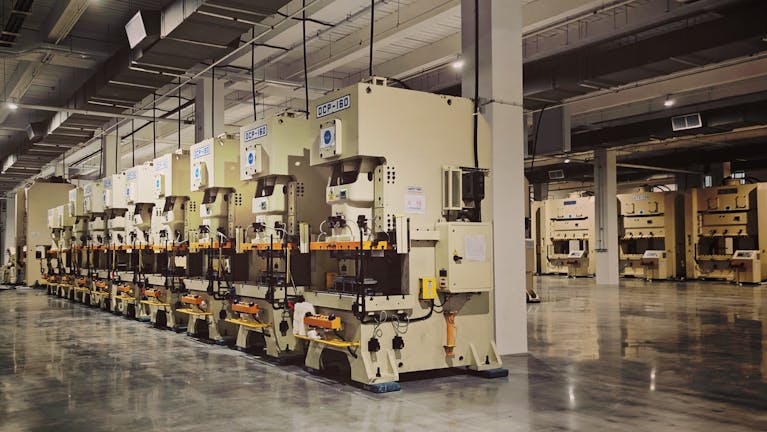
A CNC control retrofit involves replacing or upgrading the electronic control system of a metalworking machine, such as a press brake, shear, laser, plasma cutter, or machining center, while keeping the main mechanical components intact. If your current equipment still has a solid mechanical structure but is limited by obsolete, slow, or unreliable controls, a retrofit can inject new life into the machine without the price tag or significant downtime of a complete replacement.
For production managers, this means better machine reliability, less unplanned downtime, and faster job changeovers—crucial for short-run or high-mix environments. Retrofitting is sales-smart: you regain much of the performance of a new machine without the capital outlay. Good candidates for retrofits include machines built by trusted manufacturers with robust mechanical frames: for example, Cincinnati, Amada, Bystronic, Mazak, and Trumpf presses or milling machines, all of which are known for long service life.
Shop teams that have retrofitted often report smoother workflow and easier training for new operators, as modern interfaces are far more intuitive and user-friendly than their 1980s or 1990s counterparts.
Key Features of Modern CNC Controls for Metalworking Machines
Today’s CNC controls offer a wide array of features that go far beyond simple motion control. Touchscreens, real-time diagnostics, remote monitoring, advanced safety functions, automatic tool calibration, and integrated process libraries are now standard among leading control upgrades.
For instance, retrofits from brands like Siemens SINUMERIK, FANUC, or Delem can instantly add value to older machinery. Touchscreen HMIs (Human-Machine Interfaces) simplify part programming and reduce training time, while Ethernet and WiFi connectivity enable remote support and instant file transfer. Modern control solutions are also designed for easier troubleshooting, with clear error messages and maintenance reminders.
Technical requirements differ by machine type and intended use. For fabricators running press brakes and folders, look for controls that support 3D part visualization, offline programming, and tool database integration—essential for fast setup. Laser and plasma machines benefit from real-time nesting algorithms and cut quality monitoring, while machining centers may require advanced axis synchronization and high-speed lookahead. Match your retrofit options to your production needs for best results.
Workflow Improvements Achieved Through Retrofit Upgrades
Implementing a CNC retrofit is not just about speed—it’s about eliminating bottlenecks and streamlining every stage of the process. By modernizing controls, you cut setup time, minimize manual data entry, and reduce the risk of human error, which in turn lowers scrap rates.
For example, with touch-based programming and on-screen simulation, operators can quickly set up complex jobs in minutes. Integrated tooling libraries mean less time spent referencing charts or manuals, and smart referencing systems allow for precise part positioning—and less rework. Upgrading your controls makes it easier to run jobs back-to-back with minimal downtime between orders.
Advanced retrofits also support progressive assembly workflows. You can queue up multiple part programs for sequential operation, schedule automatic machine stops for material changes, and gain tighter control of part handling. In shops using automated loaders and unloaders, modern CNC controls act as a central hub, helping orchestrate material movement and maximize equipment utilization with minimal operator intervention.
Maximizing Efficiency and ROI with Advanced Control Capabilities
A well-planned CNC control retrofit delivers measurable returns quickly. Shops typically see a marked reduction in unplanned downtime, as new controls are far less prone to hardware fault. Modern controls offer energy-saving modes, more efficient tool paths, and prime part simulation, ensuring every cut, bend, or hole meets specs the first time.
Some of the biggest efficiency boosts come from features like automatic scheduling and adaptive machining, which dynamically adjust cutting or forming parameters based on material thickness or hardness, reducing waste. You’ll spend less on replacement parts and service calls as well, since most electrical components in new control systems are standardized and easily sourced.
For maximum ROI, choose retrofit packages from established brands such as Siemens, FANUC, or Hurco, which offer proven reliability and long-term technical support. Custom integrators can tailor retrofit solutions for unique/depreciated machines, often delivering the kind of flexibility you need to handle progressive assembly or low-touch part handling with minimal material handling.
Planning and Implementing a Successful CNC Retrofit Project
Taking a machine offline for a control retrofit requires careful planning, but with the right partner, disruption to your workflow can be minimized. Begin with a technical audit: assess your current machine’s mechanical health, list the features your team needs most, and realistically estimate the amount of downtime you can tolerate.
Choose a retrofit provider with experience in your specific machine type and industry. They should offer clear documentation, staff training, and local support for troubleshooting. Allow enough time in your schedule for system integration and operator retraining, but know that most retrofits can be performed in days or weeks, not months.
Be sure to implement the upgrade in a sequential project plan: procure parts and software in parallel, set aside space for the retrofitted machine’s reintroduction, plan milestones for key phases (disassembly, wiring, programming, testing), and involve your QA or production engineers as early as possible. Minimizing material handling and integrating the new control logic with your shop’s scheduling and ERP software will position you to reap the full benefits of your investment.
Frequently Asked Questions
What types of machines are best suited for CNC retrofits?
Machines with solid mechanical construction—such as presses, shears, and machining centers from trusted brands—are ideal candidates for retrofits.
Will a CNC retrofit prolong my machine’s lifespan?
Yes, upgrading controls can add 10 to 20 years of productive life to well-maintained equipment.
What are the main workflow improvements I can expect?
Shorter setup times, reduced operator error, and easier training, all leading to smoother job flow and fewer production delays.
How quickly can I expect a return on investment from a CNC retrofit?
Most shops see payback within 12 to 18 months, thanks to fewer breakdowns and better productivity.
Are there any hidden costs or required shutdowns?
A retrofit does require a brief machine downtime. Good planning and a reliable integrator keep disruptions minimal and predictable.
Can retrofits be customized for my unique products or assembly process?
Absolutely. Retrofit specialists often tailor control features and interfaces to specific workflow and part requirements.
Investing in CNC control retrofits is a smart step for production and operations managers seeking to modernize efficiently without the huge cost and disruption of new equipment. By partnering with experienced suppliers and carefully planning each step, your shop can maintain its competitive edge, boost throughput, and reduce headaches on the floor. With the right upgrades, your existing machines can deliver peak performance—and your fabricators can focus on what they do best: producing quality parts on time, every time.
CNC Control Retrofits for Metal Fabricators: Modernizing Production Equipment Efficiently