Choosing Between 1500W and 3000W Tube Lasers for Entry-Level Metal Fabrication Precision
Shop floors thrive on efficiency, reliability, and smart investments. As a production or operations manager, you understand that selecting the right equipment defines your team’s ability to meet deadlines, optimize resources, and deliver products that speak to your technical standards. When faced with choices like the 1500W or 3000W tube laser for entry-level metal fabrication, it pays to be thorough—considering not only immediate needs but also future growth, energy use, and minimal material handling. Making the right choice positions your shop to take on more complex projects with confidence and fewer headaches.
Understanding Power Ratings in Tube Laser Cutting
The power rating, measured in watts (W), tells you how much energy the laser generates for cutting. In the world of entry-level tube laser machines, 1500W and 3000W are common options. More wattage generally means more power and, therefore, the ability to cut faster or tackle thicker materials.
Sales teams frequently encourage higher wattage for capacity and flexibility, but it’s essential to match the power level with your workflow. A 1500W laser is often recommended for shops getting started or running light production. It consumes less power, is easier to manage, and is typically less expensive upfront. Contrastingly, a 3000W machine provides additional capacity for thicker or tougher metals and can be a solution for shops anticipating growth.
In real-world operations, shop managers should consider their material throughput and average job requirements. If your projects rarely require cutting tubes thicker than a few millimeters, the 1500W unit may be more than adequate, saving cost and energy for the jobs at hand.
Material Thickness and Cutting Capabilities
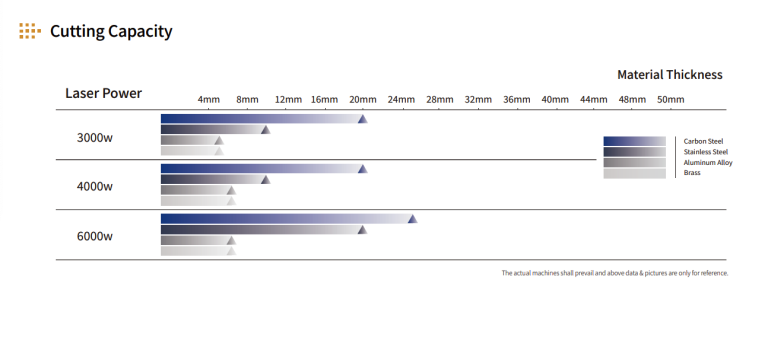
Material thickness is a key specification when it comes to tube laser cutting. A 1500W tube laser can efficiently handle thin-walled tubes and moderate thickness—ideal for most entry-level and mid-level fabrication tasks. This machine will cut through stainless steel, carbon steel, or aluminum tubes with reasonable speed and accuracy, especially in the 1-6mm range.
Stepping up to a 3000W tube laser unlocks the ability to process thicker materials, often up to 8-10mm or more, depending on alloy and tube diameter. This is useful for shops that want the versatility to tackle heavy-duty projects, reduce limitations on design, or prepare for larger contract work.
From a logistics and assembly perspective, knowing your maximum and minimum cut thicknesses predicts material handling requirements and prevents bottlenecks. The right choice ensures smoother assembly, fewer transfers between workstations, and less reworking due to inadequate machine capability.
Precision, Speed, and Quality Considerations
In fabrication, precision and cut quality are non-negotiable, especially when parts must fit together during assembly. Both 1500W and 3000W tube lasers use contemporary technology to deliver clean, accurate cuts—provided the machine is tuned properly. For thin to moderate thicknesses, a 1500W unit offers excellent edge quality and dimensional control.
Higher wattage provides more speed and can handle a broader spectrum of metals and wall thicknesses without sacrificing precision. On high-throughput production lines, a 3000W tube laser may achieve higher completed part counts per shift, reducing cycle times. It can also help minimize post-processing since the higher energy maintains cut quality on tougher sections.
Operators benefit from reduced touchups, less deburring, and streamlined material flow into downstream processes, especially in progressive assembly where minimizing interventions and transfers is key. The right machine contributes to consistent weld prep and easier part fitment, supporting lean production initiatives.
Operational Costs and Energy Efficiency
Operational costs and energy consumption vary significantly between the two wattage options. A 1500W tube laser consumes less electricity, produces less waste heat, and usually requires simpler cooling systems. For shops concerned with overhead expenses, energy efficiency is a major selling point. These machines also have smaller footprints, which can free up floor space and help workflows in compact shop environments.
A 3000W machine costs more to run and cool, but its faster processing may mean more parts are completed per hour—offsetting energy costs with higher productivity. For shops running larger batches or managing a broader product portfolio, the efficiency in throughput may justify the added operational expenses.
From a sales and technical advisory standpoint, understanding total cost of ownership—including preventative maintenance, consumables, and power demand—guides smart investment decisions. Shop managers should work closely with machine suppliers to calculate costs using real use cases and local energy tariffs.
Suitability for Entry-Level Fabrication Workshops
For most entry-level operations, a 1500W tube laser provides an ideal blend of capability, efficiency, and affordability. It handles typical materials with ease, delivers precision, and keeps costs manageable for small businesses or new production lines. This wattage is well suited for progressive assembly, as its output aligns with manageable handling and assembly speeds, without overwhelming other fabrication steps.
That said, shops aiming for rapid scale-up or those with varied customer bases may benefit from the flexibility of a 3000W model. Though it requires more investment and infrastructure, the payoff in versatility and speed can quickly accumulate, especially when taking on thicker or tougher jobs.
When assessing machine requirements, consider not just current orders, but the direction your shop is growing. Speak with reputable machinery suppliers, analyze current and forecasted job specs, and consider the space and technical capabilities available for installation. Ensuring proper workflow—from loading raw tube to unloading finished part—will save time and cut material handling to a minimum, reinforcing an efficient shop floor.
FAQ
What are the primary benefits of a 1500W tube laser for new shops?
The 1500W tube laser is affordable, energy-efficient, and easy to maintain. It suits most entry-level metal tube cutting needs without excessive upfront or operational costs.
When would a 3000W tube laser be preferable over a 1500W model?
If you handle thicker tubes, want faster cycle times, or expect to grow into higher volume or more demanding jobs, the 3000W provides greater versatility and productivity.
How does power rating affect the speed of the cutting process?
Higher wattage typically means faster cutting speeds, especially on thicker or harder materials. For standard tube sizes, 1500W and 3000W are both efficient, but 3000W processes thicker materials more quickly.
Will a 3000W machine increase my energy bills significantly?
Yes, a 3000W tube laser consumes more energy and has higher cooling demands. However, faster throughput may make up for the added cost if you’re producing large batch quantities.
What machine is best for minimizing post-cut cleanup?
Both offer high cut quality, but higher wattage maintains that quality on thicker materials, potentially reducing cleanup steps like deburring or removing heat-affected zone residue.
Can I upgrade from 1500W to 3000W later?
Retrofitting is not common. It’s best to purchase a machine that matches your mid-term needs, or discuss scalable options with your vendor.
By carefully matching laser wattage to your typical workloads, material types, and growth ambitions, your fabrication shop can achieve optimal results with minimal material handling and operational expense. A trusted supplier can provide live demonstrations, reference sites, and financing options to support your decision-making. Whether starting with 1500W for efficient, focused production or investing in the throughput of a 3000W model, prioritizing workflow and assembly efficiency will ensure your shop stays competitive, productive, and ready for the next challenge.
If you have further questions, reach out to an experienced equipment distributor who understands real-world fabrication—your shop’s future is worth the best-informed decision you can make.
Choosing Between 1500W and 3000W Tube Lasers for Entry-Level Metal Fabrication Precision