Avoiding Common Pitfalls in Metal Fabrication
In the world of metal fabrication, precision and efficiency are paramount. Whether you’re a seasoned professional or new to the industry, understanding the intricacies of metal fabrication can help you avoid costly mistakes. This article delves into some common pitfalls in metal fabrication and offers insights on how to sidestep them. From understanding material limitations to ensuring quality control measures, we’ve got you covered.
Understanding Material Limitations
One of the fundamental aspects of metal fabrication is knowing the limitations of the materials you’re working with. Each metal has unique properties that can affect the outcome of your project.
- Material Selection: Choosing the wrong material can lead to structural failures or increased costs. Always consider the material’s strength, flexibility, and corrosion resistance.
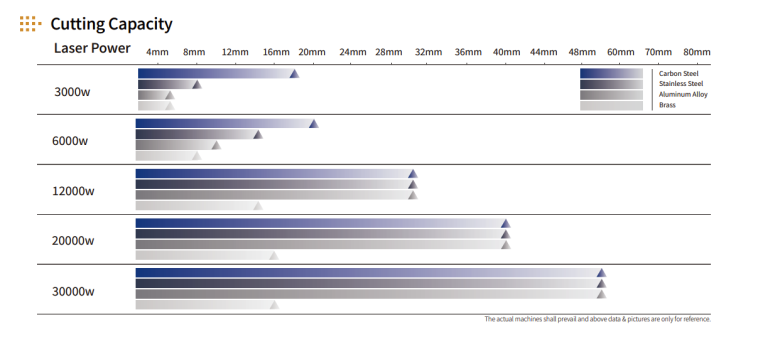
- Thickness and Weight: Be mindful of the thickness and weight of the metal. Thicker materials may require more powerful equipment, while lighter materials might not provide the necessary strength.
- Thermal Properties: Metals expand and contract with temperature changes. Understanding these properties can prevent warping and ensure that parts fit together correctly.
“The right material choice can make or break a project,” says industry expert John Doe. Always consult with your supplier or a materials engineer if you’re unsure.
Navigating Design Complexities
Design is at the heart of any metal fabrication project. However, complex designs can introduce challenges that may not be immediately apparent.
- Over-Complicated Designs: While complex designs can be visually appealing, they often require more time and resources to fabricate. Simplify where possible to save on costs and reduce errors.
- Tolerance Levels: Ensure that your design accounts for realistic tolerance levels. Tight tolerances can lead to increased production time and costs.
- Software Tools: Utilize CAD software to visualize and test your designs before fabrication. This can help identify potential issues early in the process.
“A well-thought-out design is the blueprint for success,” notes Jane Smith, a leading design consultant. Keep communication open between designers and fabricators to ensure feasibility.
Ensuring Quality Control Measures
Quality control is crucial in maintaining the integrity and safety of fabricated metal products. Implementing robust quality control measures can save time and money in the long run.
- Inspection Protocols: Establish regular inspection protocols to catch defects early. This includes visual inspections and more advanced techniques like ultrasonic testing.
- Employee Training: Ensure that all employees are trained in the latest quality control standards and procedures.
- Documentation: Keep detailed records of all inspections and tests. This documentation can be invaluable if issues arise later.
“Quality control is not just a step in the process; it’s an ongoing commitment,” emphasizes quality manager Alex Brown. Investing in quality control can prevent costly recalls and rework.
Avoiding common pitfalls in metal fabrication requires a keen understanding of materials, design, and quality control. By focusing on these areas, you can enhance the efficiency and success of your projects. For more insights and resources on metal fabrication, visit Avoiding Common Pitfalls in Metal Fabrication.
Metal fabrication is a critical process in manufacturing that requires precision and efficiency. This article discusses common pitfalls in metal fabrication and provides insights to help both novices and seasoned professionals avoid costly mistakes. Key areas include understanding material limitations, material selection, and the importance of stringent quality control measures. By gaining a deeper comprehension of these factors, you can enhance the success and quality of your metal fabrication projects.
Maintenance Tips
- Regular Inspection: Routinely check machines and tools for wear and tear to prevent unexpected breakdowns.
- Lubrication: Ensure all moving parts are well-lubricated to reduce friction and extend equipment life.
- Calibration: Regularly calibrate machinery to maintain precision in fabrication.
- Cleaning: Keep the workspace and equipment clean to avoid contamination and ensure safe operations.
Typical Cost Ranges
The cost of metal fabrication projects varies greatly depending on the complexity, materials used, and the scale of the project. Generally, small-scale projects can start from a few hundred dollars, whereas large-scale industrial fabrication can run into tens of thousands of dollars. It’s essential to get multiple quotes and consider factors like lead time, quality standards, and additional services provided.
Performance Specs
- Precision: Up to 0.01mm, depending on machine capabilities.
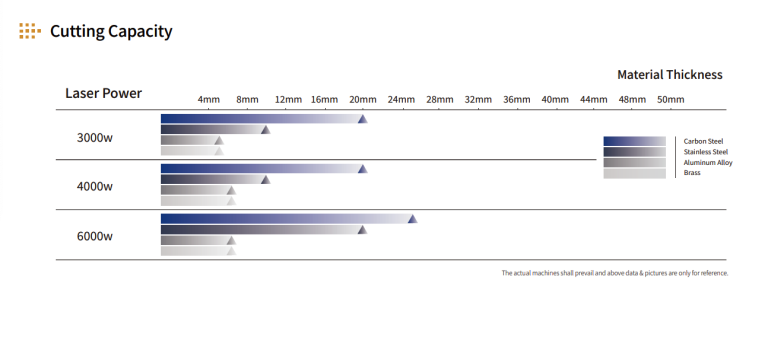
- Material Thickness: Typically ranges from 0.5mm to 20mm, depending on equipment.
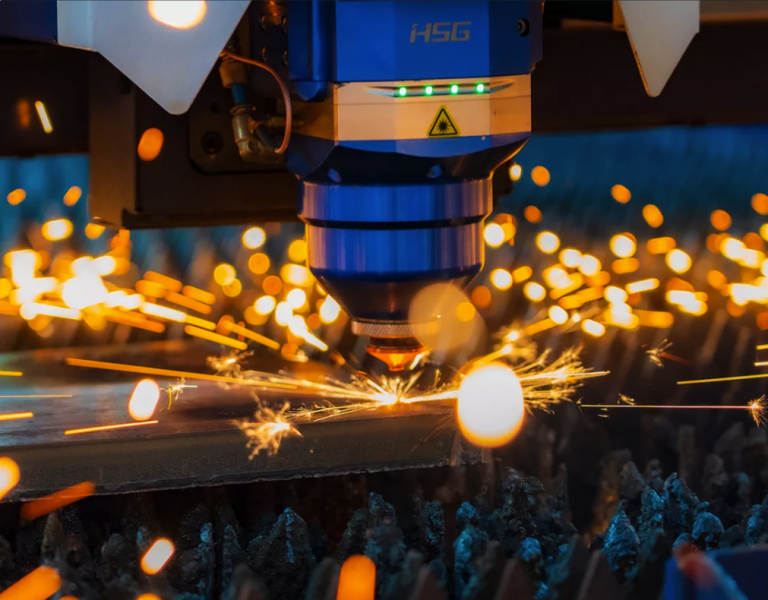
- Cutting Speed: Varies by method, e.g., laser cutting can exceed 20 m/min.
Buying Advice
- Understand Your Needs: Clearly define the type of projects and materials you’ll be working with.
- Research Vendors: Look for reputable vendors with good customer support and warranty options.
- Consider Total Cost of Ownership: Factor in maintenance, energy consumption, and potential downtime costs.
- Future-Proofing: Invest in equipment that can handle future demands or advancements in technology.
Frequently Asked Questions
- What are the most common materials used in metal fabrication? Common materials include steel, aluminum, brass, copper, and titanium, each chosen based on its properties and project requirements.
- How do I choose the right metal for my project? Consider factors such as strength, weight, corrosion resistance, and cost when selecting a metal for fabrication.
- What is the importance of quality control in metal fabrication? Quality control ensures that the fabricated parts meet the required specifications and standards, reducing errors and waste.
- How often should fabrication equipment be serviced? Regular maintenance schedules should be adhered to, typically every 6 months to a year, depending on usage intensity.
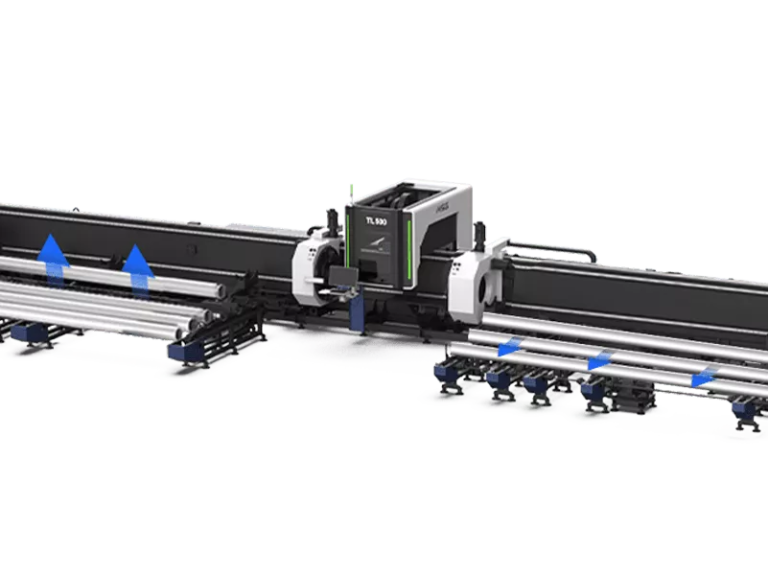
- Can metal fabrication be automated? Yes, many aspects of metal fabrication can be automated, including cutting, welding, and assembly, improving efficiency and precision.
- Is there a difference between metal fabrication and metal machining? Yes, metal fabrication involves creating structures from raw materials, while machining is a subtractive process that removes material to shape a part.
Avoiding Common Pitfalls in Metal Fabrication