Aluminum vs. Steel: Shearing, Cutting, and Uses
When it comes to metal fabrication, choosing the right material is crucial for the success of any project. Aluminum and steel are two of the most commonly used metals in the industry, each with its own set of advantages and challenges. This article will delve into the differences between aluminum and steel in terms of shearing, cutting, and their various uses. Whether you’re a seasoned buyer or new to the world of metal fabrication, understanding these differences can help you make informed decisions for your projects.
Understanding Aluminum and Steel Basics
Before diving into the specifics of shearing and cutting, it’s essential to understand the basic properties of aluminum and steel. Aluminum is known for its lightweight nature and excellent corrosion resistance. It’s a non-ferrous metal, meaning it doesn’t contain iron and is less prone to rust. On the other hand, steel is an alloy primarily composed of iron and carbon, known for its strength and durability. Steel can be further categorized into different types, such as carbon steel, stainless steel, and alloy steel, each with unique properties.
Shearing: Aluminum vs. Steel Techniques
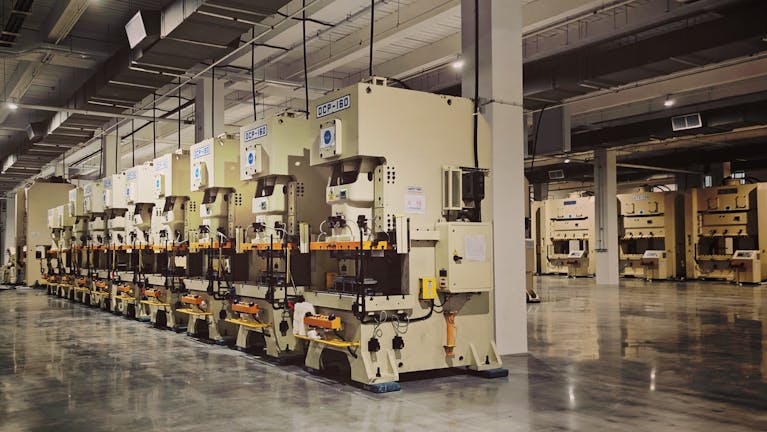
Shearing involves cutting sheet metal without forming chips or using burning or melting. The techniques for shearing aluminum and steel can differ significantly:
- Aluminum Shearing: Due to its softer nature, aluminum can be sheared more easily than steel. It requires less force, which can extend the life of the shearing equipment.
- Steel Shearing: Steel, being harder, demands more force and robust equipment. Special attention is needed to prevent tool wear and ensure precise cuts.
Cutting Methods: Which Metal Wins?
When it comes to cutting, both metals have their strengths and weaknesses:
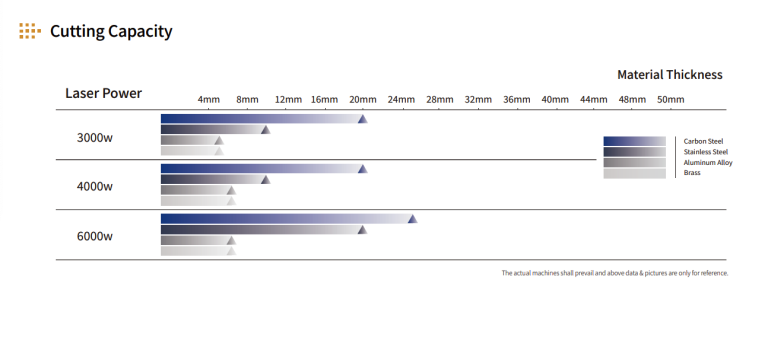
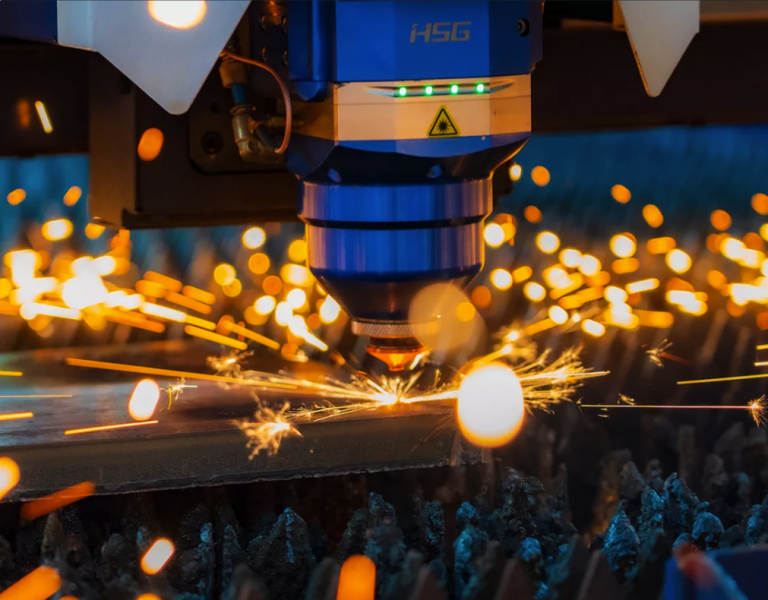
- Laser Cutting:
- Aluminum: Reflective nature can pose challenges, requiring specialized equipment.
- Steel: Generally easier to cut with lasers, especially carbon steel.
- Plasma Cutting:
- Aluminum: Suitable for thicker sheets.
- Steel: Offers clean cuts and is cost-effective for various thicknesses.
- Waterjet Cutting:
- Aluminum and Steel: Both metals can be cut effectively without heat distortion.
Cost Considerations for Metal Cutting
Cost is a significant factor in choosing between aluminum and steel:
- Aluminum: Generally more expensive per pound but may reduce overall costs due to lower equipment wear and faster processing times.
- Steel: Typically cheaper per pound but may incur higher costs in terms of equipment maintenance and energy consumption.
Strength and Durability: A Metal Showdown
- Aluminum: While not as strong as steel, aluminum offers excellent strength-to-weight ratio, making it ideal for applications where weight is a concern.
- Steel: Known for its superior strength and durability, making it the go-to choice for heavy-duty applications.
Weight Matters: Aluminum’s Light Advantage
Aluminum’s lightweight nature makes it a preferred choice in industries like aerospace and automotive, where reducing weight is crucial for performance and fuel efficiency.
Corrosion Resistance: Steel vs. Aluminum
- Aluminum: Naturally resistant to corrosion, making it suitable for outdoor and marine applications.
- Steel: Requires protective coatings or treatments to prevent rust, especially in harsh environments.
Common Uses in Metal Fabrication
- Aluminum: Used in applications like aircraft components, automotive parts, and consumer electronics.
- Steel: Commonly found in construction, infrastructure, and heavy machinery.
Environmental Impact of Each Metal
- Aluminum: Highly recyclable, reducing its environmental footprint.
- Steel: Also recyclable, but the production process is more energy-intensive compared to aluminum.
Choosing the Right Metal for Your Project
When selecting between aluminum and steel, consider the following factors:
- Application Requirements: Determine the strength, weight, and corrosion resistance needed.
- Budget: Evaluate the cost implications of each metal.
- Environmental Concerns: Consider the recyclability and production impact of the metal.
Choosing between aluminum and steel involves weighing various factors such as cost, strength, and environmental impact. Each metal has its unique advantages, making them suitable for different applications in metal fabrication. For more detailed insights into metal fabrication equipment and techniques, visit Aluminum vs. Steel: Shearing, Cutting, and Uses. Understanding these differences will help you make the best choice for your specific needs and ensure the success of your projects.
In the realm of metal fabrication, selecting the appropriate material is paramount to the success of any project. Aluminum and steel are two of the most prevalent metals used within the industry, each offering distinct advantages and challenges. This article explores the differences between aluminum and steel concerning shearing, cutting, and their varied applications. Whether you are an experienced buyer or new to metal fabrication, grasping these differences is essential for making informed project decisions.
Maintenance Tips
- Regular Cleaning: Keep both aluminum and steel surfaces clean to prevent corrosion and improve longevity.
- Lubrication: Use appropriate lubricants when cutting or shearing to reduce friction and wear on tools.
- Tool Sharpening: Regularly sharpen shearing and cutting tools to maintain efficiency and precision.
- Environmental Protection: Store metals in dry, controlled environments to avoid rust and oxidation.
Typical Cost Ranges
- Aluminum: Generally ranges from $1.50 to $3.00 per pound, depending on the grade and market conditions.
- Steel: Typically costs between $0.30 to $1.50 per pound, varying with type and thickness.
Performance Specs
- Strength: Steel is stronger and more durable than aluminum but heavier.
- Weight: Aluminum is lighter, making it ideal for applications where weight is a critical factor.
- Corrosion Resistance: Aluminum naturally resists corrosion better than steel, unless the steel is stainless.
Buying Advice
- Project Requirements: Assess the specific needs of your project—strength, weight, and environmental factors should guide material choice.
- Supplier Reputation: Choose a reputable supplier who can provide high-quality materials and reliable customer service.
- Bulk Purchasing: Consider buying in bulk for cost savings, especially for large projects.
FAQs
What factors should I consider when choosing between aluminum and steel?
Consider the strength, weight, corrosion resistance, and cost relative to your project’s needs.
Is aluminum easier to cut and shear than steel?
Yes, aluminum is generally easier to cut and shear due to its lower density and softness compared to steel.
Which material is more environmentally friendly?
Both materials are recyclable, but aluminum is often considered more environmentally friendly due to its lower energy requirement for recycling.
Can steel be used in applications requiring lightweight materials?
While steel is heavier, it can be used if the design allows for thinner sections to reduce weight while maintaining strength.
Are there specific tools required for cutting aluminum versus steel?
Yes, different tools and blades are optimized for each material’s properties to ensure clean cuts and reduce wear.
How do I prevent corrosion in steel?
Apply protective coatings, use stainless steel, and ensure regular maintenance and cleaning to prevent corrosion.
Aluminum vs. Steel: Shearing, Cutting, and Uses