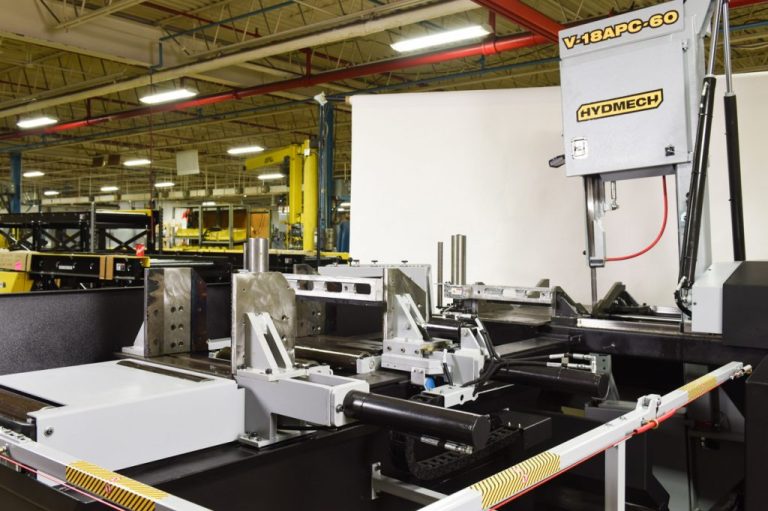
Erfold AutoFold 7200 UpDown Folder
The Erfold AutoFold 7200 UpDown Folder is a CNC sheet metal folding machine used for high precision architectural fabrication and custom metalwork, especially for roof and wall panels and HVAC components, where repeatable accuracy and flexible up/down folding are critical.
At a Glance
- Application focus: high precision folding for architectural metalwork, roof panels, wall panels, and HVAC/custom sheet metal parts.
- Machine type: CNC-controlled UpDown folding machine (front and back folding capability to reduce part reorientation).
- Typical use cases: long straight folds, hems, and complex bend sequences in thin to medium-gauge sheet for building envelopes and ductwork.
- Operational advantage: reduced handling and faster cycle times on multi-bend parts due to automatic up/down folding.
- Production environment: suited to architectural shops, façade and cladding fabricators, and HVAC manufacturers needing consistent, repeatable folds.
What It Typically Costs
Pricing estimate (USD): $120,000 – $600,000 USD.
- Lower end of the range usually aligns with more basic configurations and shorter folding lengths or fewer automation options.
- Higher end of the range generally reflects longer folding capacity, more advanced CNC controls, and higher levels of automation or tooling packages.
- Operating costs are driven mainly by power consumption, labor, tooling wear, and maintenance of the folding beams and clamping systems.
- Total cost of ownership should factor in training on the CNC interface and potential software upgrades for part programming.
Key Selection Factors
- Folding length vs. part size: Match the usable folding length to your longest roof/wall panels and architectural profiles to avoid segmenting parts.
- Material range: Confirm the machine’s rated capacity in terms of maximum sheet thickness and material types commonly used in architectural and HVAC work.
- CNC control and programming: Evaluate how parts are programmed (graphical interface, part libraries, bend sequence simulation) and how easily operators can set up repeat jobs.
- Up/Down folding capability: Ensure the UpDown function covers the bend angles and geometries you need, minimizing manual flipping of large panels.
- Backgauge and support systems: Look at sheet support, backgauge accuracy, and handling aids for long, thin panels to reduce marking and improve consistency.
- Tooling flexibility: Consider clamping and folding beam tooling options for different profiles, hems, and radii common in architectural metalwork.
- Integration with workflow: Check how the folder will fit into your existing cutting, punching, or roll-forming processes and data flow (e.g., DXF import, job nesting).
Buying Advice
- Verify the machine’s maximum folding length and thickness ratings against your current and projected panel sizes and materials.
- Inspect the condition and alignment of the clamping and folding beams, checking for wear or damage that could impact precision.
- Check backgauge accuracy and repeatability across the full working length, especially for long, narrow architectural profiles.
- Review the CNC control for ease of use: look at screen clarity, programming steps, stored programs, and diagnostic functions.
- Confirm available tooling types and their condition; ensure you can achieve your required hems, offsets, and tight or open bends.
- Assess sheet support systems and safety features to make sure operators can handle large roof and wall panels safely and efficiently.
- Ask about service support, spare parts availability, and recommended maintenance intervals for the folder’s mechanical and control systems.
- Run sample jobs using your actual materials and typical part geometries to validate speed, accuracy, and surface finish.
- Evaluate floor space, power requirements, and access for installation and future servicing in your facility.
- Consider operator training needs and whether documentation or training support is included with the machine purchase.
Buyer Questions
What types of work is the Erfold AutoFold 7200 best suited for? It is used for high precision folding in architectural fabrication, including roof panels, wall panels, architectural metalwork, and custom HVAC sheet metal parts.
Why choose an UpDown folder instead of a conventional folder? An UpDown folder can fold in both directions, which reduces the need to flip large panels and can improve throughput and consistency on parts with multiple bends.
What is the typical investment level for this type of machine? The Erfold AutoFold 7200 UpDown Folder typically falls in the $120,000 – $600,000 USD range, depending on configuration and options.
Is this machine suitable for long roof and wall panels? Yes, it is used specifically for roof and wall panel fabrication, so selection should focus on matching the machine’s folding length to your longest panel requirements.
Can it handle HVAC and ductwork components? Yes, it is used in HVAC and custom sheet metal work, where accurate bends and repeatability are required for duct sections and fittings.
How important is the CNC control on this folder? The CNC control is central to programming bend sequences, storing part data, and achieving repeatable high precision folding with reduced setup time.
What should I look for when inspecting a used AutoFold 7200? Focus on beam and tooling condition, backgauge accuracy, CNC control functionality, sheet support systems, and evidence of regular maintenance.
Does UpDown folding help with operator safety? It can reduce manual handling of large panels by limiting how often parts must be flipped, which may contribute to safer, more ergonomic operation.
How does this machine fit into an architectural metalwork shop? It typically sits downstream of cutting processes and is used to create precise folds on façade components, flashings, and custom profiles for building envelopes.
What ongoing costs should I plan for? Plan for tooling wear, periodic maintenance of mechanical components and controls, operator training, and potential software or control updates over the machine’s life.
Source: Erfold AutoFold 7200 UpDown Folder
Erfold AutoFold 7200 UpDown Folder