Robotic Solutions
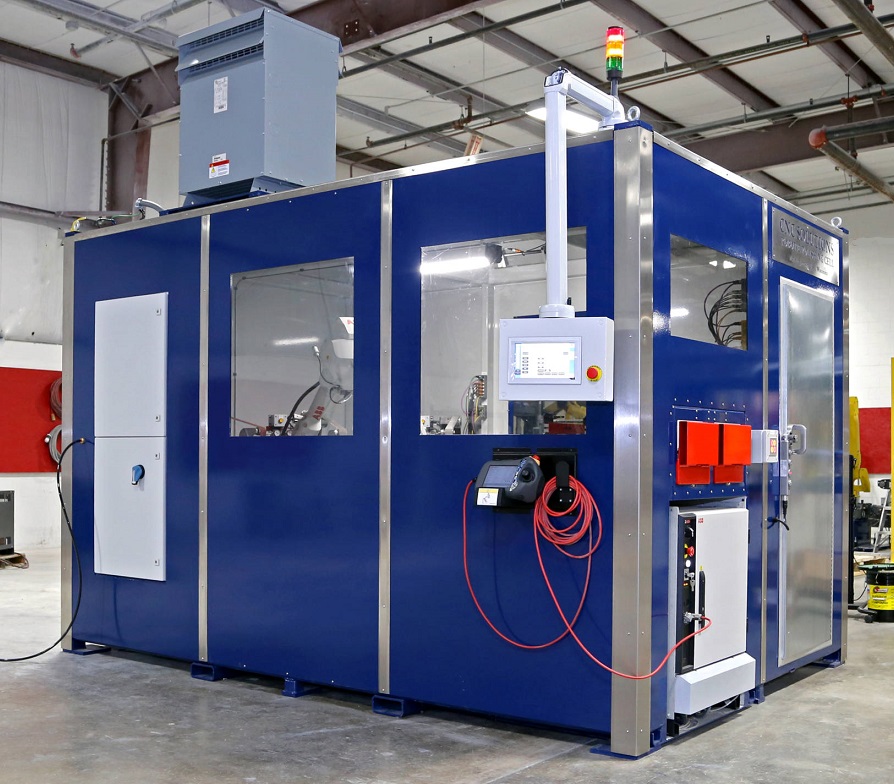
Robotic solutions are transforming the metal fabrication industry by integrating advanced automation systems, particularly in the realm of press brake applications. With manufacturers like Akyapak leading the way, businesses can now implement turnkey automated robot systems to enhance productivity and efficiency in their operations. These solutions are adaptable to a wide range of configurations, offering flexibility to meet specific production needs.
In Brief
Robotic solutions in metal fabrication, especially for press brakes, provide a fully integrated approach to automation. These systems are designed to improve precision, reduce manual labor, and increase throughput. By implementing robotic automation, companies can optimize their production processes and achieve consistent, high-quality results.
Typical Cost Ranges
- Pricing estimate (USD): Varies by configuration
- Costs can depend significantly on the complexity and capabilities of the system.
- Additional features or customization may further influence the price.
- Installation and training services could add to the overall expenditure.
Performance / Spec Considerations
- Integration capability with existing press brake systems.
- Automation level: Fully automated vs. semi-automated systems.
- Precision and repeatability in bending operations.
- Load capacity: Ability to handle various material sizes and weights.
- Cycle time: Efficiency in completing bending tasks.
- Safety features for operator protection during operation.
What to Inspect Before You Buy
- Compatibility with current press brake equipment.
- System flexibility for future upgrades or modifications.
- Ease of programming and control interface usability.
- Manufacturer’s support and service options.
- Warranty terms and conditions.
- Installation requirements and space considerations.
- User training and technical support availability.
- Energy consumption and operational costs.
- Feedback from current users or case studies.
FAQ
How does robotic automation improve press brake operations? It increases precision, reduces manual labor, and enhances productivity by automating repetitive tasks.
What factors influence the cost of a robotic press brake solution? The configuration complexity, additional features, and customization needs.
Can robotic solutions be integrated with existing equipment? Yes, most systems are designed to be compatible with existing press brake setups.
What safety features are included in these robotic systems? They typically include sensors, emergency stop functions, and protective barriers.
Is technical support available after installation? Yes, manufacturers usually offer ongoing support and training services.
What is the typical lifespan of a robotic press brake system? It varies, but with proper maintenance, these systems can last many years.
How do these systems handle different material sizes? They are equipped with adjustable grips and programming to accommodate various sizes and weights.
Are these systems energy-efficient? Modern systems are designed to optimize energy use, reducing overall operational costs.
Robotic Solutions