Selecting the Optimal Power Level for Sheet Laser Cutting: Comparing 3 kW, 6 kW, and 12 kW Options
In a fast-paced fabrication environment, achieving maximum productivity without sacrificing quality is a daily balancing act. As a production or operations manager, your work ethic drives efficiency and your technical decisions shape the shop’s success. The choice of laser power—whether 3 kW, 6 kW, or 12 kW—can make or break your ability to meet deadlines, control costs, and deliver top-grade workpieces. Understanding what each power level brings, and how these fit into real-world operations and future growth, is key to optimizing your workflow and shop floor layout.
Understanding Laser Power Output and Its Impact on Sheet Cutting
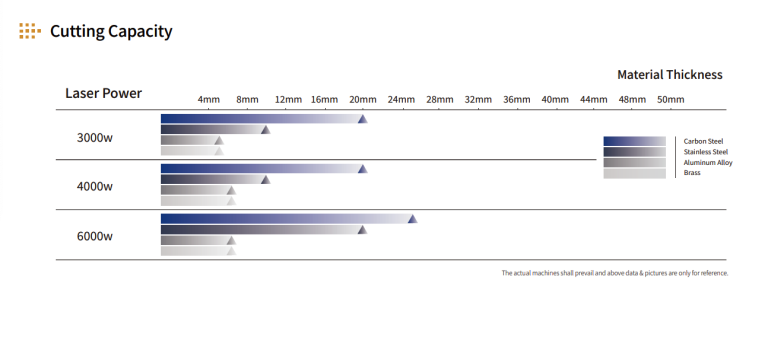
Laser power output, measured in kilowatts (kW), is the backbone of any laser cutting operation. Simply put, a higher-powered laser delivers more energy to the sheet metal, cutting thicker materials faster and with greater consistency. A 3 kW laser is generally suited for thin to medium thickness metals, while 6 kW expands the range to thicker and harder materials, improving speed and productivity. 12 kW lasers are true heavyweights, offering top speeds and the ability to tackle extremely thick or challenging materials.
When assessing machine options, it’s important to consider technical requirements like cooling systems and energy supply, which scale up with laser power. Manufacturers such as Bystronic, Trumpf, and Amada offer a range of models catering to each power segment, allowing you to match your operational needs with reliable solutions. Integrating the correct power level can make assembly lines more progressive—reducing bottlenecks and minimizing material handling as jobs flow from one station to the next.
Material Thickness and Cutting Speed: How Power Selection Influences Performance
The thickness and type of sheet metal you routinely process is a deciding factor in laser selection. For shops focused on thin-gauge stainless or mild steel, a 3 kW system efficiently meets most demands, providing clean cuts and respectable speeds. When your material mix regularly includes medium to thick gauge sheet or non-ferrous metals, stepping up to a 6 kW system pays off. You’ll process heavier workpieces in less time, freeing up downstream operations sooner.
The most robust production lines—handling structural pieces or demanding fast turnaround with thick materials—often benefit from a 12 kW laser. Cycle times are dramatically reduced, letting the cutting table keep pace with high-volume assembly. For logistical efficiency, investing in automated material loading systems can be coupled with higher-powered machines, minimizing manual intervention and keeping your fabrication flow lean and mean.
Sales-savvy vendors will guide you toward the right balance, sometimes recommending a “split-power” lineup: a 6 kW workhorse for daily mixed jobs and a 12 kW unit reserved for intensive batches or specialty contracts. This approach can widen your project scope while avoiding unnecessary capital expenditure.
Quality of Cut Edge and Finish Across Different Power Levels
Cut quality—edge smoothness, dross level, and minimal heat distortion—is a key selling point for your parts, regardless of production scale. 3 kW lasers, run within their optimal thickness range, routinely deliver excellent, burr-free cuts. Pushing them to their upper limits may degrade edge quality and require more secondary finishing. The leap to 6 kW ensures strong results even on thicker materials while maintaining the precision and finish expected in industries like automotive or aerospace.
At 12 kW, you harness enough energy to power through almost any gauge or alloy, but controlling cut parameters becomes more crucial to retain quality. Advanced control systems and skilled programming are vital to get crisp, oxidation-free edges from such high-energy machines. Look for features like automatic beam adaptation and real-time monitoring offered in leading fiber laser models—these help hover at top performance without sacrificing finish.
Evaluating your post-cut finishing and assembly needs will help you determine which laser power aligns best with your workflow. In many cases, a slightly higher initial investment in a more powerful, self-optimizing machine pays off through reduced finishing labor and streamlined downstream processes.
Operational Efficiency, Energy Consumption, and Cost Implications
Selecting a laser is never just about power alone. Operational efficiency means controlling operating costs—including power consumption, maintenance, and floor footprint—while also factoring in throughput and labor savings. Generally, 3 kW lasers are most economical for low to medium volume and lightweight material operations, boasting both low energy use and simpler service requirements.
6 kW lasers step up energy usage but provide a clear productivity return for busier shops, often justifying the cost via increased output and job versatility. A 12 kW system will require robust infrastructure—dedicated power lines, advanced cooling, and possibly even layout changes—but unlocks unmatched volume for industrial-scale shops.
Progressive assembly benefits most from automated, high-output systems. Pairing a higher power laser with conveyorized or robot-assisted unloading minimizes downtime and lets your team focus on value-added work. Consult with suppliers who offer bundled automation packages—these are designed for flow efficiency, less material handling, and cost control across the entire job cycle.
Matching Laser Power to Application Needs and Future Growth
Purchasing a laser cutter is as much a strategic choice as an operational one. Consider not just your current order book but your long-term vision. Are you planning to expand into thicker or more diverse materials? Is customer demand pointing toward larger volume runs or tighter lead times? A 6 kW or 12 kW machine may be the best fit if you foresee scaling up or broadening your market position.
For shops focused on single-shift, specialty, or prototype work, the agility and lower overhead of a 3 kW system could be ideal. Selecting a system with scalable options—modular automation, advanced software, or upgradable power sources—future-proofs your investment, letting you adapt without overhauling your entire process.
Work closely with equipment vendors who understand real-world shop logistics. They should help you forecast ROI based on your material mix, target industries, and projected growth. The right power level laser, paired with smart workflow integration, means fewer workarounds, less material stacking, and a cleaner production floor—making tomorrow’s production challenges easier to solve.
Frequently Asked Questions
What are the biggest differences in operating costs between 3 kW, 6 kW, and 12 kW lasers?
Operating costs rise with power: 3 kW lasers have lower energy demand, while 12 kW lasers require more power and cooling, but can offset costs by cutting faster and taking on higher volumes.
Which laser power is best for cutting thick stainless steel?
For thick stainless (8 mm and up), 6 kW is minimum, but 12 kW offers faster, more consistent cutting with less risk of edge taper or dross.
Do higher power lasers require more safety and facility investments?
Yes, higher power lasers usually need enhanced electrical supply, cooling capacity, protective enclosures, and trained operators to maintain safety and performance.
How can I future-proof my laser cutting investment?
Choose systems with modular automation, software upgrades, and support for later power upgrades, ensuring flexibility as your business grows.
What is the real-world difference in cut speed between 3 kW and 12 kW machines?
A 12 kW laser can cut some materials several times faster than a 3 kW, making high-volume jobs feasible that would otherwise be impractical.
Is a 12 kW laser always the right choice for maximum throughput?
Not always—unless your material mix and volume demands justify it, a 6 kW or multiple 3 kW machines may deliver better value and flexibility.
Making the right choice in laser power is about more than “bigger is better.” It’s about matching your equipment to your unique job mix, throughput goals, and vision for the future. Lean on your vendors’ experience, invest with tomorrow in mind, and ensure your operations thrive, cut after cut.
If you have more questions or want a tailored analysis of your fabrication needs, reach out to trusted machine suppliers. They can walk your shop floor and help you select the most capable, efficient, and scalable laser cutting solution—ensuring your decision pays off in productivity and long-term success.
Selecting the Optimal Power Level for Sheet Laser Cutting: Comparing 3 kW, 6 kW, and 12 kW Options