Forging Success: Unconventional Paths in Metal Fab
In the ever-evolving world of metal fabrication, companies are constantly on the lookout for innovative ways to stay ahead of the competition. From brake presses to roll formers, the tools of the trade are as diverse as the techniques employed. This article delves into the unconventional paths that have forged success in the industry, offering insights into new avenues, groundbreaking techniques, and inspiring success stories. Whether you’re a seasoned buyer or new to the field, there’s something here for everyone interested in the art and science of metal fabrication.
Discovering New Avenues in Metal Fabrication
The metal fabrication industry is no stranger to change, and those willing to explore new avenues often find themselves ahead of the curve. Here are some emerging trends and opportunities that are reshaping the landscape:
- Additive Manufacturing: Also known as 3D printing, this technology is revolutionizing the way metal components are designed and produced. By layering materials, it allows for complex geometries that were previously impossible or too costly with traditional methods.
- Automation and Robotics: The integration of automated systems and robotics is streamlining operations, reducing labor costs, and increasing precision. This shift is not just about replacing human labor but enhancing it, allowing for more complex and intricate work.
- Sustainability Initiatives: With a growing emphasis on environmental responsibility, many companies are adopting sustainable practices. This includes using recycled materials, reducing waste, and implementing energy-efficient processes.
“Exploring these new avenues not only boosts efficiency but also opens up new markets and opportunities for growth.”
Breaking the Mold: Innovative Techniques Explored
Innovation is at the heart of metal fabrication, and those who dare to break the mold often find themselves leading the pack. Here are some techniques that are pushing the boundaries:
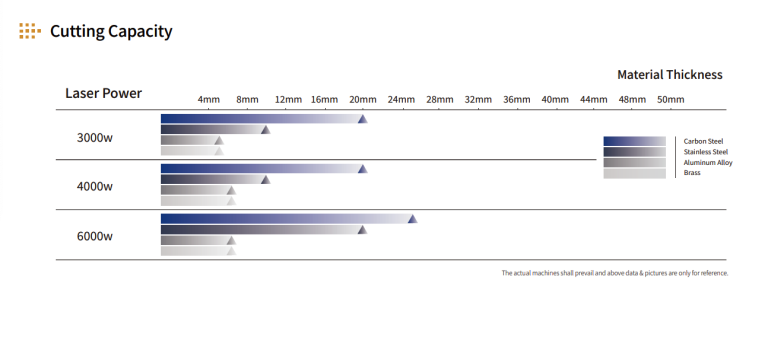
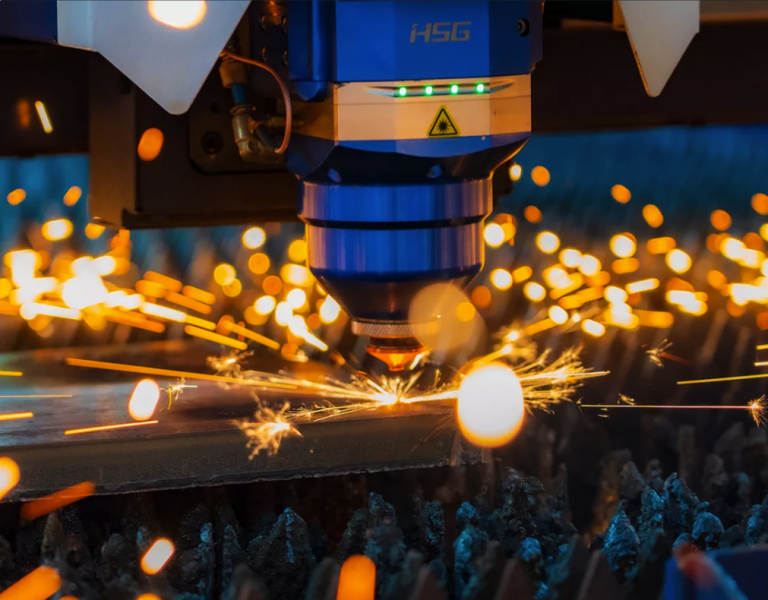
- Laser Cutting and Engraving: Offering unparalleled precision, laser technology is being used for both cutting and engraving metal, allowing for intricate designs and minimal material waste.
- Hydroforming: This process uses high-pressure hydraulic fluid to shape metal, resulting in lightweight yet strong components. It’s particularly popular in the automotive and aerospace industries.
- Incremental Sheet Forming: A flexible and cost-effective method, this technique involves gradually shaping a sheet of metal using a small tool, which is ideal for prototyping and small production runs.
“By embracing these innovative techniques, fabricators can achieve higher quality results and meet the ever-changing demands of their clients.”
Success Stories: Unlikely Paths to Metal Mastery
The journey to success in metal fabrication is often as unique as the individuals and companies that embark on it. Here are a few inspiring stories:
- Startup to Industry Leader: One company began in a garage with a single brake press and has since grown into a leading supplier of custom metal components. Their secret? A relentless focus on quality and customer service.
- From Traditional to Cutting-Edge: A family-owned business that once relied solely on manual techniques has transformed into a tech-savvy operation by investing in CNC machines and digital design tools.
- Sustainability Pioneer: A small fabrication shop made a name for itself by committing to zero waste and using only recycled metals, attracting eco-conscious clients from around the globe.
“These stories remind us that success in metal fabrication often comes from unexpected places and unconventional approaches.”
The world of metal fabrication is rich with opportunities for those willing to explore unconventional paths. From discovering new avenues to breaking the mold with innovative techniques, the possibilities are endless. For more insights and resources on how to forge success in this dynamic industry, check out Forging Success: Unconventional Paths in Metal Fab. Whether you’re looking to innovate or simply stay informed, embracing change is key to thriving in the ever-evolving world of metal fabrication.
In the ever-evolving world of metal fabrication, companies are constantly seeking innovative methods to maintain a competitive edge. This article, “Forging Success: Unconventional Paths in Metal Fab,” explores the diverse tools and techniques that define the industry, from brake presses to roll formers. It highlights groundbreaking strategies and inspiring success stories that can benefit both seasoned buyers and newcomers to the field. The article serves as a guide to uncovering new avenues and techniques in the art and science of metal fabrication, providing valuable insights into the industry’s future.
Maintenance Tips
- Regularly inspect all machinery for wear and tear to prevent unexpected breakdowns.
- Ensure proper lubrication of moving parts to enhance efficiency and lifespan.
- Calibrate machines periodically to maintain precision and quality of output.
- Implement a routine cleaning schedule to avoid buildup and contamination.
Typical Cost Ranges
The cost of metal fabrication tools and machinery can vary widely:
- Brake Presses: $20,000 – $150,000
- Roll Formers: $30,000 – $200,000
- Laser Cutters: $50,000 – $500,000
- Welding Equipment: $1,000 – $20,000
Performance Specs
- Brake Presses: Tonnage capacity ranging from 20 to 1,000 tons.
- Roll Formers: Capable of processing metal sheets up to 10 mm thick.
- Laser Cutters: Precision cutting with a tolerance of ±0.1 mm.
Buying Advice
- Consider the scale of operations and choose equipment that matches your production needs.
- Evaluate the total cost of ownership, including maintenance and operational costs, before purchasing.
- Research and invest in brands with a reputation for reliability and customer support.
- Attend industry trade shows to see the latest technology and negotiate deals directly with suppliers.
Frequently Asked Questions
- What are the latest trends in metal fabrication? The industry is seeing increased automation, use of AI, and adoption of environmentally friendly practices.
- How do I choose the right equipment for my shop? Assess your current and future production needs, budget constraints, and the skill level of your workforce.
- Is it better to buy new or used machinery? It depends on your budget and specific needs; used equipment can be cost-effective if it has been well-maintained.
- What are the safety considerations in metal fabrication? Ensure all operators are trained, use protective gear, and that machines have safety features like emergency stops.
- How can I improve the efficiency of my metal fabrication process? Invest in modern technology, streamline workflows, and engage in regular staff training.
Forging Success: Unconventional Paths in Metal Fab