CNC Machining Solutions for Metal Fabrication Operations Managers
A successful metal fabrication shop depends on a strong work ethic, technical competence, and practical solutions to real-world problems. Operations managers juggle tight schedules, strict budgets, and the constant demand for higher quality and faster turnaround. CNC machining solutions are the backbone of modern fabrication, providing the speed, accuracy, and versatility necessary for today’s competitive market. Leveraging the right CNC technology doesn’t just improve products—it transforms whole workflows, reduces costs, and supports your crew’s drive to accomplish more with less effort.
Optimizing Production Workflow with CNC Machining
The backbone of efficient metal fabrication is a streamlined, logical production flow. CNC (Computer Numerical Control) machines bring automation and consistency, minimizing manual intervention. For operations managers, this means more predictable lead times and throughput, especially during peak workloads or when rolling out new product lines.
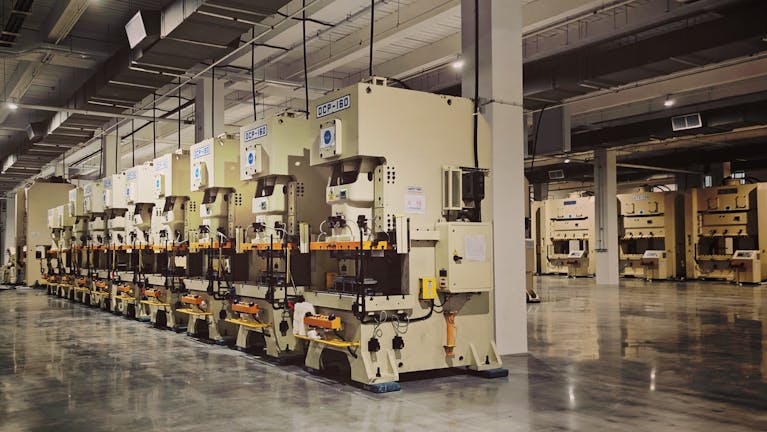
Sales teams at trusted providers like Mac-Tech’s CNC Solutions recommend CNC press brakes, lasers, and plasma cutters because they can integrate into a variety of shop layouts and handle batch or custom runs with equal efficiency. Automated tool changers and programmable cutting paths eliminate redundant steps in the assembly process, enabling direct hand-off to downstream processes like welding or finishing with less material handling.
CNC machining reduces the number of material touches, thanks to features like automatic part sorting and offloading. This creates a more fluid assembly line, requiring fewer operators per shift, and allowing supervisors to reallocate staff to higher-value tasks.
Key CNC Machine Features Tailored for Metal Fabrication
Today’s CNC machines for metal shops go far beyond simple cutting or shaping. They are equipped with features that ensure flexibility, safety, and long-term reliability. When choosing CNC equipment, look for machines offering dynamic tool libraries, easy-to-use human machine interfaces (HMI), and robust support for a range of material types and thicknesses.
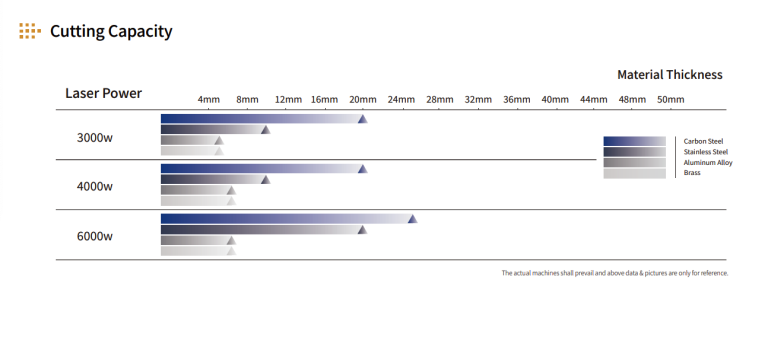
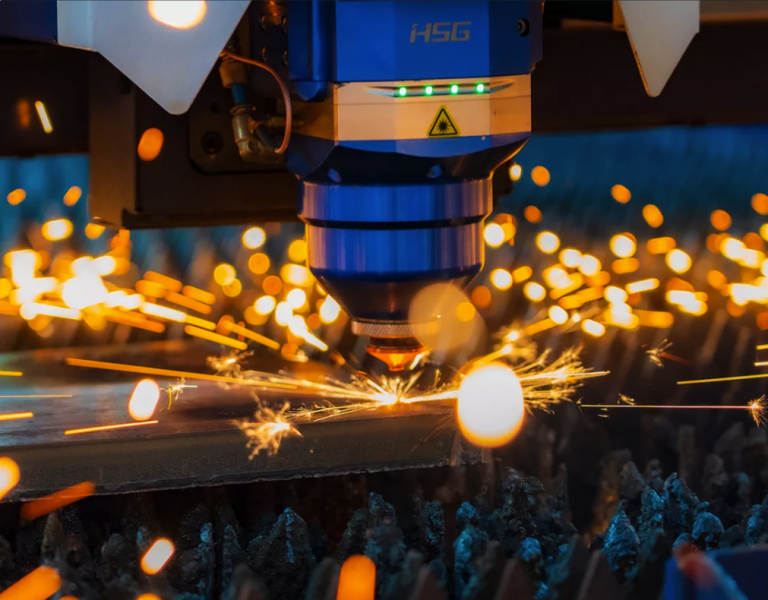
Laser cutters—such as the types supplied by Mac-Tech—combine speed, accuracy, and efficiency for complex profiles in ferrous or nonferrous metals. CNC press brakes with precision backgauges make it easy to transition between product lines, optimize bending sequences, and limit the risk of human error. Many models now include advanced safety features, helping keep your crew protected without sacrificing productivity.
When discussing investments with sales and engineering teams, operations managers should prioritize machines with modular upgrade abilities and remote diagnostic support. These features keep equipment up to date, simplify troubleshooting, and extend useful lifespans.
Enhancing Precision and Quality in Fabricated Metal Parts
CNC machining brings unprecedented repeatability to metal fabrication. Digital programming ensures every part meets the same dimensional standards, eliminating the guesswork and scrap associated with manual methods. Advanced motion control, servo drives, and real-time feedback loops ensure the machine corrects variances on the fly.
For shop managers under pressure to hit ever-tighter tolerances, the precision offered by CNC laser cutters and press brakes is unmatched. Machine recommendations like fiber lasers and press brakes with adaptive bending systems enable you to guarantee quality even on challenging jobs and specialty materials.
Clear quality tracking and digital part verification streamline quality assurance, simplifying compliance with customer and industry standards. This digitally driven approach means fewer rejected parts, less waste, and happier customers.
Integrating CNC Solutions with Existing Shop Floor Systems
In a busy fab shop, adding a new CNC machine shouldn’t disrupt established workflows. Modern CNC solutions are designed with integration in mind. Most support common file formats, networked communication, and can be quickly wired into shop management software (ERP/MES). This means order data can move seamlessly from office to machine with minimal rekeying or errors.
When selecting CNC equipment, prioritize models with open architecture controls and compatibility with your shop’s current production management software. Machines with wireless or wired networking allow for real-time status updates, job routing, and remote programming—from the supervisor’s office or even off-site if needed.
Progressive assembly lines benefit from machines featuring automated conveyor systems and robotic part loaders/unloaders. This minimized material handling accelerates output, reduces bottlenecks, and makes batch or mixed-model runs more practical.
Reducing Downtime and Maintenance Costs through CNC Technology
Unplanned downtime is the enemy of any fab shop. CNC machines are not only engineered for robust performance but also for simplified preventive maintenance and fast troubleshooting. Features such as automated lubrication systems, built-in diagnostics, and modular components make it easier for shop-floor teams to keep equipment running.
When discussing options with vendors, ask about remote support, predictive maintenance capabilities, and the availability of spare parts. CNC machines that can flag potential issues before a breakdown let your team address problems proactively—preventing missed deadlines and lost revenue.
Daily checklists and readily accessible maintenance panels ensure that minimal training is required to keep machines humming, reducing your dependency on outside service calls. Shop managers can schedule maintenance during natural lulls in production, further minimizing operational interruptions.
FAQ
What advantages do CNC machines offer over manual methods in metal fabrication?
They provide faster production, higher accuracy, less waste, and lower labor requirements for repetitive or complex tasks.
Will CNC machines integrate with our existing digital shop floor systems?
Most modern CNCs support common software and can be networked for seamless integration, reducing programming and job tracking errors.
How do I choose the right CNC machine for our shop’s needs?
Determine your material types, part volumes, space, software compatibility, and required features before consulting with a supplier.
Are CNC machines difficult for operators to learn to use?
Current models feature user-friendly interfaces and controls that drastically reduce learning curves for most skilled operators.
How does CNC technology help reduce maintenance costs?
Automated alerts, remote diagnostics, and modular repair parts allow for quicker, targeted fixes and scheduled preventive care.
Will CNC machines help reduce material handling requirements?
Features like automated part unloaders and in-line conveyors minimize manual handling and streamline workflow.
For shop operations managers determined to move production forward, investing in the right CNC machining solutions isn’t just about keeping up—it’s about leading the pack. Whether retrofitting an existing line or planning a new facility, leveraging advanced CNC features and integration can unlock higher throughput, finer quality, and lower costs, giving your team and your customers the results they expect every time.
For more details on choosing and implementing the best CNC solutions for your shop, consult experienced partners like Mac-Tech who understand the hands-on challenges of metal fabrication. Their engineers and techs can help design a plan that fits your workflow, staff skill levels, and business goals.
CNC machining solutions are essential for operations managers in the metal fabrication industry, providing the necessary speed, precision, and adaptability to thrive in a competitive market. These advanced technologies not only enhance product quality but also drive significant improvements in workflow efficiency, cost reduction, and overall productivity. By integrating the right CNC machinery, metal fabrication shops can meet tighter schedules and higher standards, ultimately transforming their processes and supporting their teams in achieving more with less effort.
Maintenance Tips
- Regularly inspect and clean CNC machines to prevent dust and debris from affecting performance.
- Ensure all moving parts are properly lubricated to reduce wear and extend machine lifespan.
- Conduct scheduled maintenance checks to identify and address potential issues early.
- Keep software updated to benefit from the latest features and security improvements.
Typical Cost Ranges
The cost of CNC machining solutions can vary widely depending on the complexity and capabilities of the machines. Entry-level CNC machines may start around $5,000, while high-end industrial models can exceed $100,000. Factors influencing price include size, speed, precision, and additional features such as multi-axis capabilities.
Performance Specs
- Precision: Capable of achieving tolerances as tight as ±0.001 inches.
- Speed: Depending on the model, can operate at speeds up to 12,000 RPM.
- Material Compatibility: Suitable for a wide range of metals, including steel, aluminum, and titanium.
- Automation: Many models offer automated tool changing and part handling.
Buying Advice
- Assess your production needs to choose the right machine size and features.
- Consider the long-term costs of operation, including maintenance and energy consumption.
- Evaluate the support and training options available from the manufacturer or supplier.
- Look for machines that offer scalability to handle future growth or changes in production requirements.
FAQs
What is CNC machining?
CNC machining involves the use of computers to control machine tools for cutting, shaping, and fabricating parts with high precision.
How does CNC technology improve workflow?
CNC machines streamline production by automating tasks, reducing manual labor, and increasing precision and consistency.
What materials can be used in CNC machining?
CNC machines can work with a variety of materials, including metals, plastics, and composites, depending on the machine’s specifications.
How often should CNC machines be maintained?
Regular maintenance should be scheduled based on usage intensity, typically every 2,000 to 4,000 hours of operation.
Can CNC machines be customized?
Yes, many CNC machines can be customized with additional features or tools to meet specific production needs.
What is the lifespan of a CNC machine?
With proper maintenance, a CNC machine can last anywhere from 10 to 20 years, depending on usage and care.
Are CNC machines energy-efficient?
Modern CNC machines are designed to be energy-efficient, but actual consumption can vary based on the machine’s size and workload.
CNC Machining Solutions for Metal Fabrication Operations Managers