Evaluating the Upgrade to 20 kW Tube Laser Cutting Systems for Metal Fabrication Operations
In the fast-evolving world of metal fabrication, making the right equipment choices can be pivotal for operational growth. As shops push for greater efficiency, precision, and throughput, staying competitive often means carefully evaluating when to embrace new technologies. With a solid work ethic and a commitment to technical excellence, it’s essential to approach the potential move to a 20 kW tube laser system with a clear understanding of both benefits and practical realities. In this article, we break down the key factors for production and operations managers considering a step up in laser cutting power.
Assessing Production Demands for 20 kW Laser Tube Cutting Systems
Before investing in a 20 kW tube laser, it’s crucial to define your operation’s specific needs. High-output systems like these are built for heavy workloads and can transform throughput for shops regularly handling thicker materials, high part volumes, or complex shapes.
Evaluate your current production rates. Are legacy machines causing bottlenecks or excessive downtime? Are jobs backing up due to slow cutting speeds or frequent maintenance? If your facility is running multiple shifts or seeing increasing orders of larger, thicker tube, this might justify the leap to higher power. A detailed production audit can reveal whether your workload would truly utilize 20 kW capacity.
From a sales perspective, manufacturers such as Trumpf, BLM Group, and Mazak have models tailored for high-mix, high-volume shops. For example, the Trumpf TruLaser Tube 7000 fiber offers scalable power and automation options, suitable for those looking to future-proof their production lines. Consulting with suppliers on your existing and projected part mix, material thicknesses, and schedule demands helps ensure the right fit.
Comparing Performance Metrics: Power, Precision, and Speed
When stepping up to 20 kW, performance metrics become a key point of evaluation. The jump in raw laser power translates directly to faster cutting, especially in thick-walled steel and stainless tubing. Production lines that previously required multiple passes or slower speeds can now move parts in a single, swift run.
Precision is another critical benefit. These newer machines not only increase speed but maintain tight tolerances and smooth edge quality, reducing the need for downstream rework. Advanced nozzle technology, enhanced beam focus, and vibration compensation found in systems like Mazak Fabri Gear series ensure accuracy even during high-speed operation.
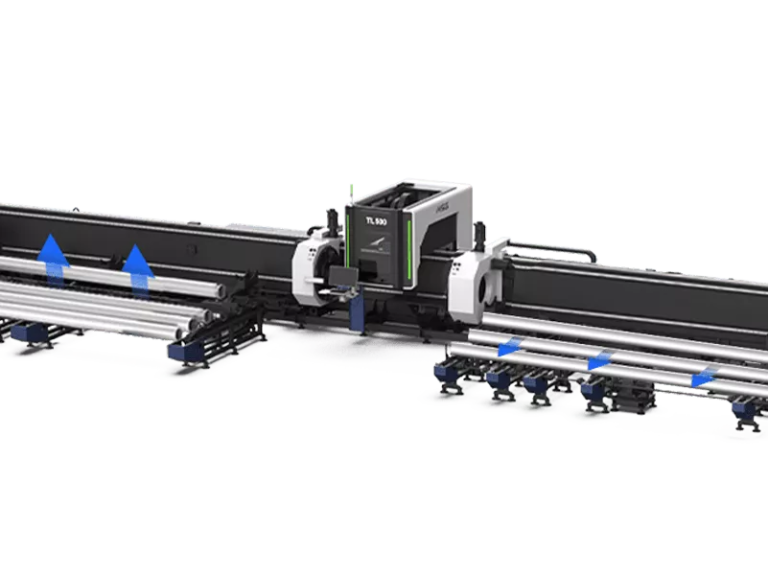
In terms of efficiency, a 20 kW system often incorporates progressive assembly processes that reduce material handling. Bulk loading and automated part sorting cut down on manual movement, keeping your skilled workforce focused on value-added tasks.
Evaluating Key Features: Automation, Software Integration, and Material Capabilities
Today’s 20 kW tube laser cutters go far beyond higher wattage. Manufacturers are emphasizing smart automation and digital integration as a pathway to true lights-out manufacturing. Features like robotic loaders, automated part sorting, and scrap removal streamline the workflow. For example, BLM Group’s LT8.20 brings together modular automation options and flexible transitions between profiles, reducing changeover time.
Another key factor is software. Systems now integrate seamlessly with ERP and nesting software, optimizing material usage and allowing operators to queue jobs with minimal oversight. Remote diagnostics and predictive maintenance means less unexpected downtime.
On material versatility, the latest high-power cutters handle a wide spectrum—from mild steel to exotic alloys and mixed-thickness jobs. Pay attention to auxiliary functions such as active cooling and fume extraction, required to sustain consistent quality at high speeds.
Understanding the Impact on Cost Efficiency and ROI
A move to 20 kW is a significant capital investment, typically running in the high six- or low seven-figure range depending on specifications and automation levels. The key question: does the productivity gain justify the spend?
From a sales insight, shops upgrading to higher-power lasers often recover their investment within two to four years, provided they run at high utilization rates. Hard savings come from fewer manual interventions, reduced consumable wear per part, lower scrap rates, and faster throughput.
For example, if your backlog consists of larger-diameter, thick-wall tube jobs, the reduction in cycle time could lead to taking on more business or meeting just-in-time delivery requirements for key clients. This shifts your business model from chasing jobs to serving higher-margin contracts, with flexibility to expand.
Planning for Implementation: Facility Requirements and Workforce Training
Implementation needs a clear plan. High-power lasers place advanced demands on facility infrastructure. Electrical service must support the increased load (check amperage and voltage availability), and robust ventilation and cooling become essential for both the laser and operator safety. Consider space for infeed and outfeed automation equipment to maximize material handling efficiency.
Workforce training is another investment that pays dividends. The latest systems feature intuitive controls but still require skilled operators for tooling setup, software troubleshooting, and routine machine care. Most manufacturers offer comprehensive training as part of installation, ensuring your team quickly adapts to new workflow realities.
A progressive assembly line should be mapped out to minimize manual part movement. Strategically placed unloading stations, conveyors, and part sorting mean less handling and fewer chances for error or injury. This enhances not just speed, but workplace safety and operational consistency.
Frequently Asked Questions (FAQ)
What is the main benefit of moving up to a 20 kW tube laser?
The primary benefit is much faster processing of thick-walled tubes, combined with higher precision and automation for heavy production loads.
Will my current facility support a 20 kW laser cutter?
You may need electrical and HVAC upgrades, as well as additional space for automation modules and safety systems.
How quickly can I expect a return on my investment?
Most shops see ROI within 2–4 years with high utilization and job volume.
Is specialized training necessary for my operators?
Yes, though most OEMs provide thorough onboarding and ongoing support for new systems.
Can I process a wider range of materials with this upgrade?
20 kW lasers handle a broader array of materials and thicknesses, including hard-to-cut alloys, with greater efficiency.
What happens if my business volume drops after upgrading?
Lower utilization increases payback time, so it’s critical to match capacity to realistic demand forecasts.
Do these systems reduce manual labor needs?
Yes, with advanced automation, less material handling and fewer touches are necessary, freeing up skilled staff for higher-value tasks.
Upgrading to a 20 kW tube laser cutting system is a decision with far-reaching impact. By assessing your shop’s real workload, prioritizing the right features, and planning for smooth integration, you can unlock new levels of productivity, flexibility, and profitability. Consult with trusted suppliers, benchmark your metrics, and bring your team into the planning process early for the best outcome.
If you’re ready to explore the next step in laser cutting, reach out for consultative support and site assessments. Investing in technology is investing in your future—plan carefully, and your shop will be ready for the demands ahead.
Upgrading to a 20 kW tube laser cutting system can significantly increase cutting speed, throughput, and the range of processable materials and wall thicknesses, but it also raises capital cost, power demand, and support requirements that must be evaluated against actual part mix and production volumes.
1) Quick Look
- Application: High‑power tube and structural profile laser cutting for metal fabrication operations.
- Power level: 20 kW class fiber laser, suited to demanding throughput and thicker‑wall materials.
- Typical investment: $800,000 – $1,500,000 USD, depending on automation, capacity, and options.
- Primary gains: Higher cutting speeds, improved edge quality at higher thickness, and reduced secondary operations.
- Shop impact: Increased electrical load, need for trained operators/programmers, and tighter maintenance discipline.
- Best fit: High‑volume tube parts, complex geometries, or mixed production where setup automation adds value.
2) Budgeting & Pricing
Pricing estimate (USD): $800,000 – $1,500,000 USD for a 20 kW tube laser cutting system, with variation driven mainly by automation level, tube size capacity, and control/software options.
- Base machine vs. fully automated: Manual load/unload systems sit near the lower end of the range; integrated bundle loaders, automatic unloading, and sorting push the price toward the upper end.
- Capacity premiums: Larger tube diameter and length capacity, heavier load ratings, and multi‑chuck configurations typically add to the purchase price.
- Software and nesting: Advanced tube nesting, bevel cutting, and offline programming modules are additional cost items that can be significant in the total budget.
- Infrastructure costs: Electrical service upgrades, fume extraction, and floor preparation can add a meaningful percentage beyond the machine price.
- Operating costs: Higher power lasers consume more electricity and may require more robust cooling; budgeting should include energy, assist gas, consumables, and preventive maintenance.
- Training and commissioning: Operator and programmer training, plus ramp‑up support, should be treated as part of the investment, not an afterthought.
3) Specs That Matter
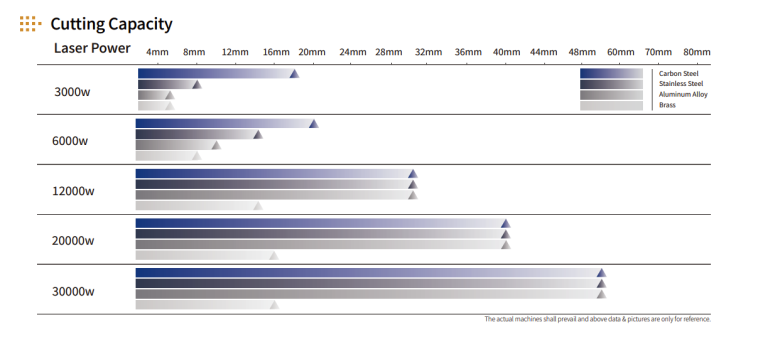
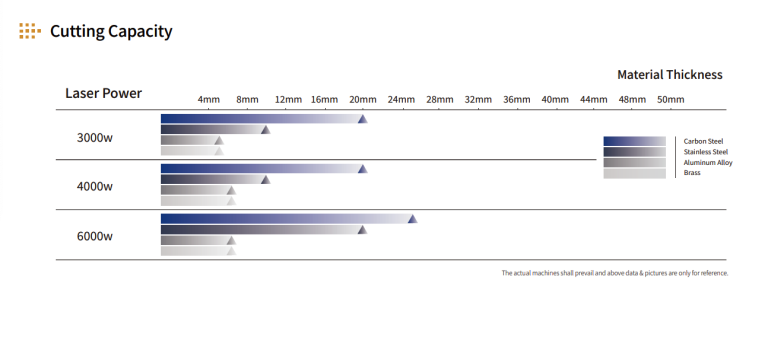
- Laser power and thickness capability: 20 kW power is aimed at faster cutting in medium‑to‑thick wall tube and profiles; confirm the recommended maximum wall thickness and materials (e.g., carbon steel vs. stainless vs. aluminum).
- Tube size range: Verify minimum/maximum tube diameters, profile dimensions (round, square, rectangular, special shapes), and maximum tube length the machine can load, clamp, and process.
- Positioning and cutting accuracy: Check linear and rotary axis accuracy and repeatability specifications to ensure they meet your tolerance requirements for hole patterns, copes, and miters.
- Automation features: Evaluate bundle loaders, automatic chuck positioning, part sorting, and integrated measurement or probing, especially if you run high‑volume or many small batches.
- Cutting head and nozzle technology: Look at autofocus range, collision protection, and nozzle change features, as these strongly influence uptime and cut consistency at 20 kW.
- Control and programming: Assess CNC control capabilities, ease of use, integration with CAD/CAM for tube, and support for simulation and collision checking.
- Support systems: Consider chiller capacity, fume and dust extraction performance, and assist gas supply requirements compatible with sustained 20 kW operation.
4) Buying Advice
- Confirm fit to part mix: Compare your current and projected tube sizes, wall thicknesses, materials, and tolerances to the machine’s published capabilities.
- Evaluate throughput gains: Ask for cycle time comparisons between your current process and a 20 kW tube laser on representative parts, including loading and unloading.
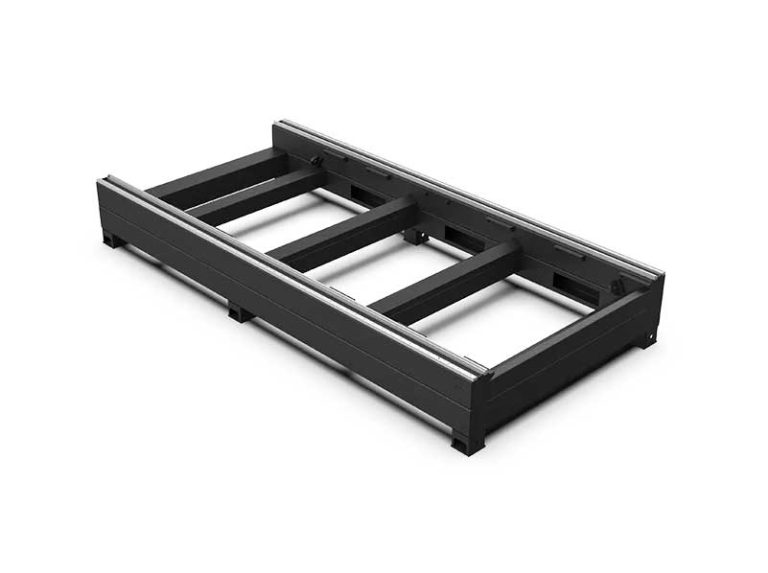
- Inspect mechanical build: Review frame rigidity, chuck design, and tube support systems to ensure they can handle your longest and heaviest profiles without vibration issues.
- Assess automation level: Decide if you need full bundle loading and automatic part sorting immediately, or if a staged upgrade path is sufficient.
- Check power and utilities: Verify that your facility can support the required electrical supply, cooling capacity, and assist gas delivery for continuous high‑power cutting.
- Review safety and extraction: Inspect guarding, interlocks, and fume/dust extraction provisions to ensure compliance with your internal and regulatory safety standards.
- Test usability: Have operators and programmers interact with the control, software, and setup procedures to gauge learning curve and risk of operator‑induced downtime.
- Clarify maintenance plan: Understand preventive maintenance intervals, key consumables, expected service life of critical components, and availability of local technical support.
- Request sample parts: Obtain cut samples in your materials and thicknesses, then inspect edge quality, hole roundness, and dimensional accuracy.
- Plan total cost of ownership: Consider not only purchase price but also operating costs, staffing, training, and expected productivity improvements over the machine’s life.
5) FAQ
What is the typical cost of a 20 kW tube laser cutting system? Most 20 kW tube laser cutting systems fall in the $800,000 – $1,500,000 USD range, depending on capacity, automation, and software options.
When does a 20 kW tube laser make sense over a lower‑power system? It is most justified when you run higher volumes of tube with moderate to heavy wall thicknesses, or when you need significant cycle time reductions and more capacity for future growth.
Does higher laser power always mean better cut quality? Higher power primarily improves speed and thickness capability; cut quality also depends on machine rigidity, cutting head design, assist gas setup, and process tuning.
What materials can a 20 kW tube laser cut? These systems are typically used for metals such as carbon steel, stainless steel, and aluminum tube and profiles, within the thickness limits specified by the manufacturer.
How important is automation on a 20 kW tube laser? Automation such as bundle loading and automatic unloading is important if you need to keep the high‑power laser utilized; without it, loading and handling can become the bottleneck.
Will I need facility upgrades for a 20 kW tube laser? Many shops need to review and sometimes upgrade electrical service, cooling capacity, and fume extraction to support continuous operation at this power level.
Can one machine handle both small and large tubes? Most tube laser systems have defined minimum and maximum tube sizes; ensure the model you choose covers both your smallest and largest required dimensions.
How do I estimate the productivity gain from upgrading? Use time studies on representative parts, comparing your current process to vendor‑supplied or demonstrated cycle times that include loading, cutting, and unloading.
What skills do operators need for a 20 kW tube laser? Operators should be comfortable with CNC controls, basic laser cutting principles, and handling long tube sections; programmers should be able to work with tube‑specific CAD/CAM.
How should I compare different 20 kW tube laser models? Compare on tube size range, accuracy, automation options, software capabilities, service support, and verified performance on your actual materials and part geometries.
Source: Evaluating the Upgrade to 20 kW Tube Laser Cutting Systems for Metal Fabrication Operations
Evaluating the Upgrade to 20 kW Tube Laser Cutting Systems for Metal Fabrication Operations