Shop Assessments Identify Hidden Bottlenecks in Metal Fabrication Production Lines
In the world of metal fabrication, where meeting deadlines and optimizing resources can make or break a business, experience teaches us that sometimes the real issues with production aren’t always visible on the surface. The most successful shops combine hard work with smart diagnostics—using data, technology, and practical assessments to uncover obstacles that hold up work, slow down the line, and chip away at profitability. Embracing an objective look at your shop’s actual workflow with a qualified assessment team is good business sense and the mark of a forward-thinking operations manager.
Understanding Shop Assessments in Metal Fabrication
A shop assessment is a professional review of your entire production line, conducted by technical experts with experience in metal fabrication. The aim is not to point fingers or assign blame, but to identify inefficiencies, slow spots, and bottlenecks that often fly under the radar during busy day-to-day operations.
Sales consultants and assessment teams work closely with production managers to get a holistic view of each step—from raw material intake to final assembly and packaging. Real value comes from having an outside set of eyes, outfitted with technical expertise and real-world shop knowledge, examine how personnel, equipment, and process flows interact.
Recommendations frequently span from changes in shop floor layout to machine upgrades, automation options, and adjustments in scheduling. The result is a targeted action plan that considers production realities, budget constraints, and future growth.
Key Areas Examined to Reveal Production Bottlenecks
A thorough shop assessment covers more than just machines—it looks at material flow, worker movements, changeover times, downtime, and even the way parts are staged for assembly. Assessors track where work-in-progress tends to pile up, which machines always seem to be waiting for the next job, and where operators get hung up searching for tools or materials.
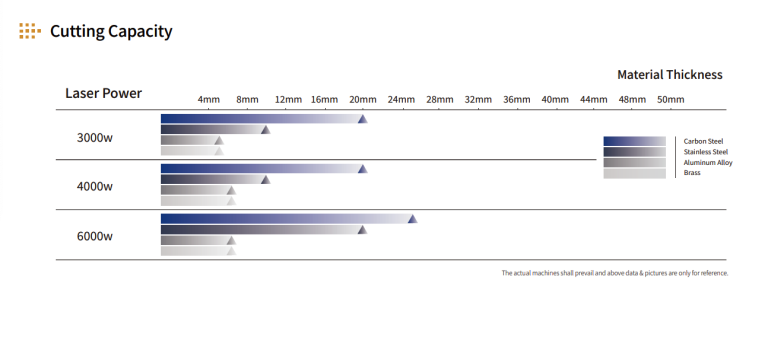
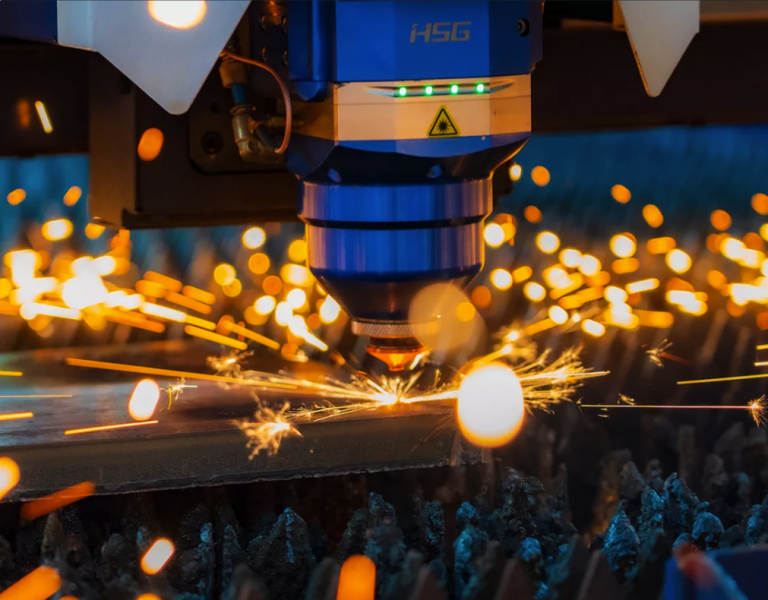
A common finding is that even a single slow process—like a manual deburring station or an aging press brake—can hold up a whole line. Sales-driven insights often reveal that investing in a more automated machine, such as a fiber laser cutter with integrated part sorting or a multi-axis CNC press brake, can free up operator time and vastly reduce lead times.
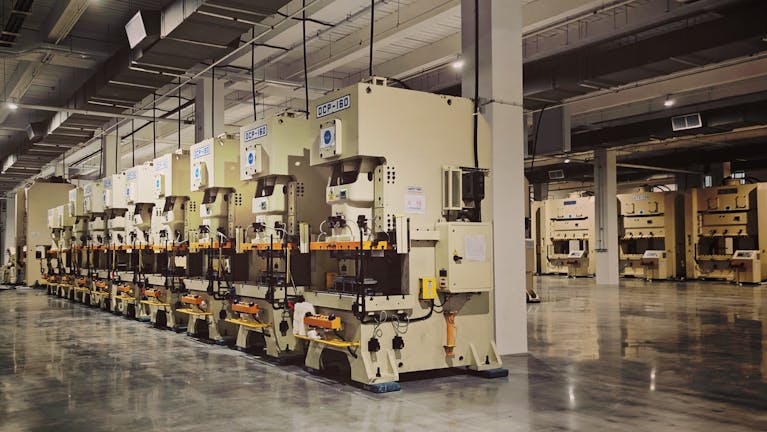
Machine recommendations are always tailored: for high-volume shops, a robotically fed punching machine or self-loading laser can be a game-changer. For make-to-order environments, modular assembly cells and flexible workstations reduce unnecessary handling and waiting.
Logistically, assessments focus on how material moves through the facility. Progressive assembly—where parts flow from one station directly to the next, with minimal backtracking—can reduce handling and speed up throughput by 15% or more, especially when paired with strategically located buffer zones and clear signage.
Diagnostic Tools and Techniques Used During Assessments
Shop assessments are backed by a blend of old-fashioned walk-through audits and modern diagnostic tools. Workflow mapping software is used to create visual representations of how material moves from one machine to the next, while time-motion studies measure how long each step actually takes. These tools help separate myths from facts, showing exactly where jobs get stuck.
Sales-driven solutions often rely on digital monitoring. For instance, IoT (Internet of Things)-connected machines can provide real-time data on uptime, cycle times, and maintenance needs. This allows assessors to spot chronic slowdowns that might not be obvious even to experienced operators.
Particular attention is paid to machine requirements: Assessors look at machine age, compatibility with current jobs, and readiness for future needs. They may suggest upgrades, such as installing automatic tool changers on press brakes or software updates that enable smarter nesting for laser cutters, with the dual goals of increasing productivity and lowering material waste.
Technical knowledge is complemented with practical suggestions around workstation layout, staging carts, and even the size of lift tables and material racks so that each operator can work comfortably with minimal movement or searching.
Leveraging Assessment Results for Targeted Improvements
Once the assessment findings are in, the most effective progress is made by prioritizing quick wins alongside longer-term investments. Sales and technical teams work in partnership with the shop management to map out a phased improvement plan. This can start with low-cost changes—such as reorganizing workstations or reassigning operators—while budgeting for automation or machinery upgrades down the line.
For instance, introducing standardized work instructions and eliminating redundant material movement can often result in a measurable throughput boost within weeks. Machine recommendations might include the adoption of combo machines that can punch, form, and tap in one setup, or moving to more reliable fiber lasers with integrated part conveyors to speed up sheet movement.
A focused approach ensures investment goes where it is needed most. By using assessment data, shops can avoid buying unnecessary equipment and instead, update only those machines or processes that are proven bottlenecks. This reduces capital expenses and downtime, while freeing up resources for staff training or expansion projects.
Logistical improvements go hand-in-hand with technical upgrades. For example, introducing kanban systems or visual scheduling boards enhances communication, helping everyone on the floor stay on task and reducing the risk of jobs getting lost or delayed.
Measuring the Impact of Shop Assessments on Throughput and Efficiency
The impact of a successful shop assessment is measurable and lasting. Key efficiency metrics—such as parts-per-hour, on-time delivery rate, and scrap reduction—can all improve, resulting in happier customers and healthier margins.
Sales teams work alongside production managers after implementation, tracking progress and providing ongoing support. Machine monitoring systems can continue to collect data, making it easy to see improvements in real numbers. Several shops report throughput gains of 20% or more after tackling identified bottlenecks, with direct savings on overtime labor and expedited shipping.
Progressive assembly strategies, fewer material handling steps, and more automated equipment all contribute to less operator fatigue and lower risk of error. Over time, the assessment pays for itself not just in higher capacity, but also because it creates a culture of continuous improvement and accountability on the shop floor.
Frequently Asked Questions
How quickly can a shop assessment deliver results?
Simple layout and process changes can improve flow within weeks. Bigger changes, like equipment upgrades, see benefits as soon as installation and training wrap up, often in just a few months.
Will an assessment mean we have to buy all new machines?
No. Recommendations focus on where upgrades or additions make financial sense. Often, improving workflows or adding automation to selective bottlenecks brings the biggest return without a full equipment overhaul.
Is there a typical cost or ROI for shop assessments?
Assessment costs vary by shop size and complexity but are minor compared to the savings and efficiency gains. Many shops recoup the investment within a year through higher throughput and lower operating costs.
Can we do assessments ourselves?
You can map basic workflows, but third-party assessors with cross-industry experience spot things in processes and equipment that are easily missed internally. Their perspective is especially valuable for growth-focused shops.
What if our bottlenecks are related to staffing or training, not machines?
Assessments cover both people and equipment. Solutions might include schedule changes, operator cross-training, or simple job aids in addition to machine recommendations.
How do I know which machine upgrades would help the most?
Assessment results use data—cycle times, downtime, queue lengths—to point out exactly which machines are slowing you down, so you invest where it matters.
Taking the time for a professional shop assessment can transform your metal fabrication operation, uncovering hidden obstacles and unlocking practical solutions tailored just for you. Whether you’re seeking faster turnaround, higher quality, or room to grow, the process offers clarity and a clear path forward. Reach out to an experienced assessment team or your equipment sales partner to start your journey toward higher efficiency and long-term shop success.
Shop Assessments Identify Hidden Bottlenecks in Metal Fabrication Production Lines