Best Practices for Cutting, Shaping, and Bending Hardened Steels to Minimize Tool Wear
In the world of fabrication, consistently delivering top-quality results while minimizing unnecessary downtime and tooling expenses is a cornerstone of operational excellence. Shop floors that work with hardened steels know these materials demand a disciplined, methodical approach. Hardened steels—valued for their toughness and wear-resistance—can be tough on tools, leading to costly replacements and resets. That’s why operations managers and production teams need practical, real-world strategies for cutting, shaping, and bending these metals effectively. Here’s how to rise to the challenge and keep your workflow competitive without driving up cost or sacrificing efficiency.
Selecting the Right Tools and Equipment for Hardened Steels
Choosing the correct tooling is the foundation for any successful operation with hardened steels. Not all tools are created equal—standard high-speed steel (HSS) bits and blades, for instance, often fall short. For best results, invest in carbide-tipped or ceramic cutting tools, which maintain their hardness and sharpness even under intense pressure and heat.
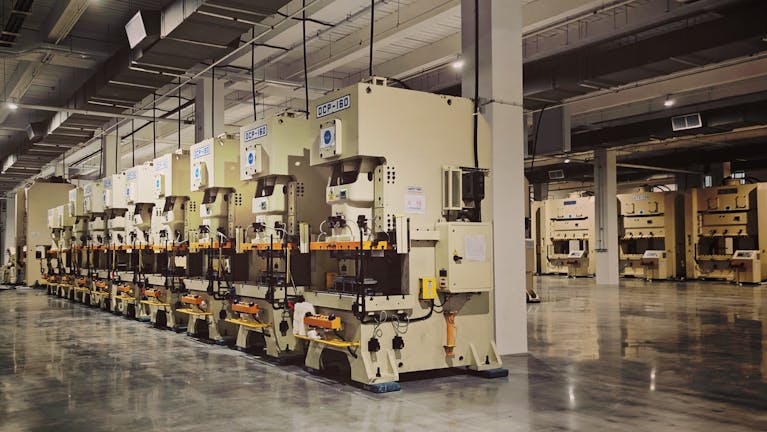
For shops investing in new machinery, look at CNC machines with built-in high-rigidity spindles and vibration-dampening features. Machines like the Haas VF series or DMG MORI models are designed for tough materials. For manual operations, hydraulic press brakes with sufficient tonnage and thick tooling are necessary for bending—roll benders with hardened rolls also help maintain consistency.
Establishing a dedicated area for hardened steel work, equipped with these robust machines and tool systems, streamlines your workflow and minimizes setups, reducing time spent moving and re-fixturing parts.
Optimizing Cutting Speeds, Feeds, and Cooling Techniques
Efficient cutting of hardened steels depends on finding the right combination of speed and feedrate. Running too fast increases heat, dulls edges, and leads to chatter; too slow and you risk work hardening the surface. Use lower speeds and moderate to heavy feed rates to create a shearing action rather than rubbing.
For sales-based solutions, ask tool suppliers for application-specific data sheets and tool coatings optimized for heat control, like TiAlN or CBN. This investment translates to more parts per tool change and less unplanned downtime—a selling point to upper management.
Flood cooling or high-pressure coolant systems (minimum 300 psi for modern CNCs) are highly recommended. If coolant isn’t available, mist systems or even air blasts are far better than dry cutting. Keeping chips flushed away spares both the tool edge and the part, reducing the risk of recuts and tool breakage.
Implementing Precision Shaping Methods for Reduced Friction
Shaping hardened steel—drilling, turning, milling, or grinding—introduces friction, which generates more heat and tool wear. Precision comes from rigid setups with minimal tool overhang, tight spindle bearings, and secure clamping systems. Modular fixturing platforms, like the Bluco system, speed up setups and minimize operator handling.
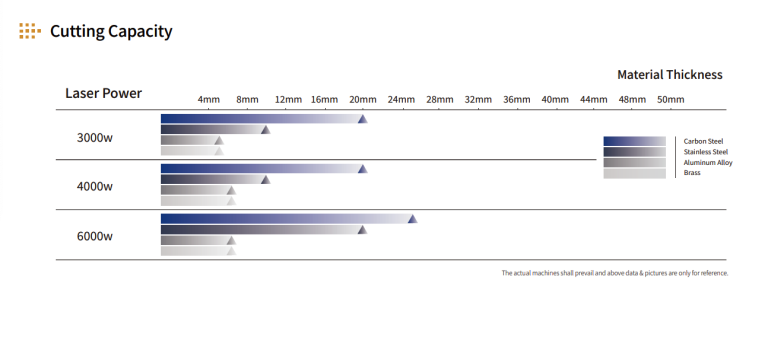
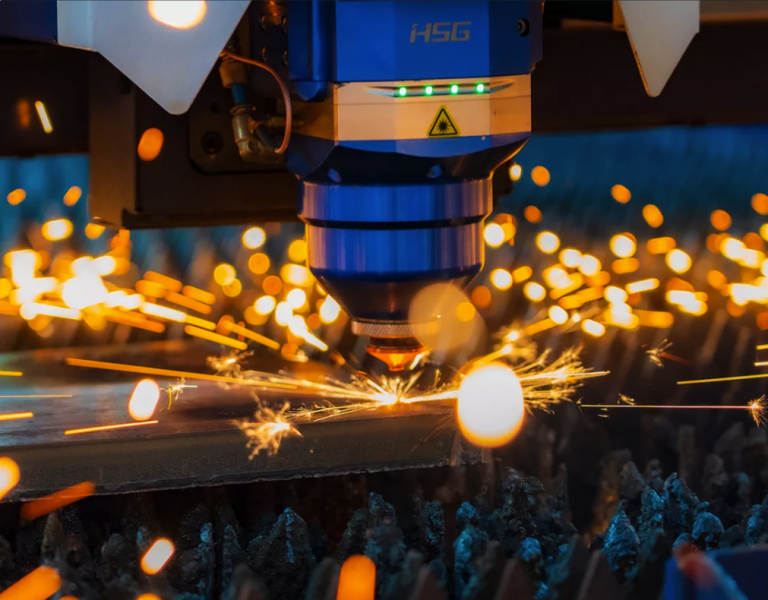
For machine recommendations, CNC grinders and wire EDMs are excellent for intricate profiles. For simple shapes, laser cutters with fiber sources can make short work of thin hardened materials with minimal heat affect. Avoid aggressive depth-of-cut; instead, make multiple shallow passes.
Marketing this workflow: offer turnkey packages that include specialized machine tools, jigs, and part-handling systems for customers needing “lights-out” unattended operation. Minimizing manual adjustments is not only safer but reduces opportunities for error, speeding up repeat orders.
Effective Approaches to Heat Management During Bending Operations
Bending hardened steel is especially tough—the risk of cracking is high. Always use machines with programmable ram speed and dwell time, such as modern press brakes from Trumpf or Amada, which allow for fine-tuned movement and gradual shaping. This careful approach limits internal stresses that can shorten tool life and ruin expensive workpieces.
When possible, pre-heat the metal to around 300-400°F to reduce brittleness and lower forming forces. Use purpose-built dies with polished radii to avoid microcracking along bend lines. Logistics-wise, establish a workflow where formed parts cool away from damp or draft-prone areas to prevent warping and stress fractures.
Sales insight: offer tooling upgrade services for existing customers, showing how a small up-front investment leads to less scrap and fewer tool replacements. Highlight efficient tool carts and part transfer systems so the bending cell runs smoothly all shift long.
Maintaining and Inspecting Cutting Edges to Prolong Tool Life
Routine inspection is not just good housekeeping—it directly protects the bottom line. Set up a progressive maintenance plan that includes cleaning, checking tool runout (using dial indicators), and measuring edge wear every shift. Tools should be re-sharpened before chipping occurs; waiting too long increases tool and part scrap.
For larger operations, invest in an automated tool presetter and laser measurement system for your CNCs, which checks and logs tool conditions and triggers an alert when replacement is due. For manual shops, color-coded shadow boards and inspection stations enable fast checks and keep everyone operating from the same quality standard.
Selling reliability becomes easy when you show how tool life curves improve after deploying these processes—reduced downtime, longer intervals between tool purchases, and more predictable part quality.
FAQ
What are the biggest benefits of investing in carbide tools for hardened steels?
Carbide tools last longer and keep a sharper edge against hardened steels, meaning you replace them less often and get more consistent results.
Can I use my existing machines for hardened steels, or do I need upgrades?
You can often use your current machines, but slower speeds, better cooling, and a check on spindle rigidity are needed to avoid tool breakage.
How does coolant impact tool life and finished part quality?
Coolant dramatically lowers heat, helping blades stay sharp and parts stay dimensionally accurate without microcracks or burns.
Is there a rule of thumb for cutting speeds and feeds with hardened steel?
Run at about half the speed and the same or slightly higher feed rate than you would for softer steels—your tooling provider can give exact numbers.
What is the typical lifespan increase for tools when best practices are followed?
You can expect at least a 50 percent improvement in tool life, sometimes even doubling it with the right setups and maintenance.
Are there hidden costs to handling hardened steels?
Improper handling leads to more scrap, tool damage, and time lost on rework—smart investments in material flow and handling pay off quickly.
By applying these practices, shop operations managers can not only tackle the challenges of hardened steels but turn them into a production advantage. Get the right tools, fine-tune your machines and methods, keep a strict maintenance routine, and never underestimate the power of well-planned workflow. With smart equipment choices and diligent care, hardened steels don’t have to mean hard times on the shop floor.
In metal fabrication, achieving high-quality results with hardened steels while minimizing tool wear is crucial for maintaining operational excellence. Hardened steels, known for their durability and wear resistance, pose unique challenges that can lead to increased tool wear and downtime if not handled properly. Effective strategies for cutting, shaping, and bending these materials are essential for operations managers and production teams aiming to maintain efficiency and cost-effectiveness. Selecting the right tools and equipment is key to navigating these challenges and ensuring a competitive workflow.
Maintenance Tips
- Regularly inspect tools for signs of wear and replace them promptly to avoid compromising quality.
- Use lubricants specifically designed for hardened steel to reduce friction and heat during operations.
- Ensure all cutting tools are sharpened and well-maintained to prolong their lifespan and enhance performance.
Typical Cost Ranges
Tooling costs for operations involving hardened steels can vary significantly based on the complexity of the tasks and the quality of the equipment used. Basic toolkits may start at a few hundred dollars, while high-end, specialized equipment could reach several thousand dollars.
Performance Specs
- Tool Hardness: Tools should have a Rockwell hardness higher than the steels being worked on to prevent deformation.
- Cutting Speed: Maintain optimal cutting speeds (usually lower than for softer steels) to prevent excessive heat generation.
- Feed Rate: Adjust according to the material’s hardness and tool capabilities to ensure smooth operation.
Buying Advice
When purchasing tools and equipment for working with hardened steels, prioritize quality and durability over cost. Invest in tools made from advanced materials like carbide or ceramic composites for longer life and better performance. Consult with suppliers to ensure compatibility with your specific fabrication needs.
FAQs
- What are hardened steels? Hardened steels are alloys that have been heat-treated to increase their hardness and wear resistance, making them ideal for demanding applications.
- Why do hardened steels cause more tool wear? Their increased hardness and toughness can lead to greater friction and heat during machining, accelerating tool wear.
- What type of tools are best for cutting hardened steels? Tools made from materials like carbide, cobalt, or ceramic are recommended due to their high heat resistance and durability.
- How can I reduce tool wear when working with hardened steels? Use appropriate lubricants, maintain optimal cutting speeds, and select tools with a higher Rockwell hardness than the material.
- Is it necessary to use coolant when machining hardened steels? Yes, using a coolant can help dissipate heat and reduce friction, prolonging tool life.
- Can regular steel tools be used on hardened steels? Regular steel tools may not withstand the demands of machining hardened steels and are likely to wear quickly.
Best Practices for Cutting, Shaping, and Bending Hardened Steels to Minimize Tool Wear