Selecting Optimal Metal Thickness for Structural Integrity in Fabricated Components
If you’re running a fabrication shop, you know that every part built isn’t just a project—it’s a reputation at stake, a client’s trust, and a balance sheet’s bottom line. The choices made on the shop floor, especially when it comes to selecting the right metal thickness, can mean the difference between a product that passes quality testing on the first go and one that comes back with costly rework. Success starts with understanding the big picture: the purpose of the part, the forces it will encounter, and how your team will shape, move, and finish it efficiently. By focusing on these real-world fabrication concerns, you’ll deliver consistent quality, earn more repeat business, and run a shop that’s both safe and competitive. Here’s how to make wise decisions on metal thickness that serve both structural integrity and production efficiency.
Understanding Material Properties and Their Impact on Thickness Selection
Different metals have unique characteristics—strength, ductility, hardness, and corrosion resistance—all of which play a critical role in selecting the right thickness for durability and performance. For example, mild steel can often be thinner than aluminum for the same strength requirement, but stainless steel, while very strong and corrosion-resistant, may cost more and require adjustment in thickness for the same load.
Good sales insight means not only leveraging your supplier relationships for the best material grade, but also consulting with them on recent innovations or possible substitutes that may allow you to reduce thickness without sacrificing strength. When you specify material, look beyond the standard catalogs—ask questions about alloy options that might let you safely use less.
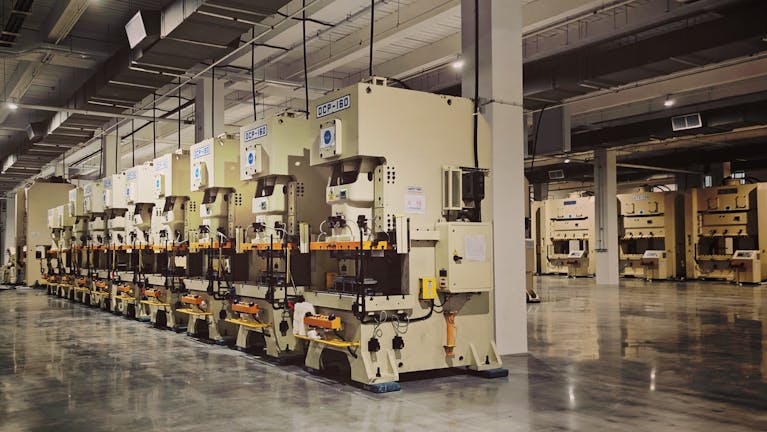
For machine selection, pairing the right shear or laser cutter with appropriate press brakes is essential. Thicker materials demand more tonnage, robust tooling, and often upgraded machines (think 250-ton brakes for quarter-inch steel, but only 100 tons for thinner aluminum). Matching material to the forming equipment not only protects your investment but reduces unplanned downtime.
Logistically, organizing stock by gauge or thickness near the respective workstations saves time when switching jobs, and using shop floor software to track offcuts can minimize scrap. An optimized assembly line that brings parts directly into welding, finishing, or further machining reduces steps and physical handling, which adds up to real cost savings.
Assessing Structural Load Requirements and Safety Factors
Every component serves a purpose—from holding up a walkway to acting as a bracket inside machinery. The stress and strain on each determines how thin you can go while still meeting safety and performance requirements. Structural engineers calculate the forces involved, and your role is to communicate clearly with them and your team.
Sales teams should be ready to explain the logic behind your thickness requirement, connecting it to safety margins and real-world testing. Clients want confidence that the quoted part is not just cheap but reliable, which means using industry-standard formulas—think yield strength and modulus of elasticity—to validate your choice.
Equipment recommendations include using CNC bending machines that read the material and adjust pressure automatically, ensuring accurate bends on thinner materials without collapse or distortion. Digital torque wrenches and load cells can provide live feedback during prototype assembly, helping you confirm that your selected thickness withstands expected forces.
On the efficiency front, fewer “handling passes” for measurement and testing keep things moving under a progressive assembly process. Cross-training the team so fitters and welders understand why thickness matters encourages them to self-audit as they work, catching issues before inspection.
Evaluating Manufacturing Processes and Tolerance Constraints
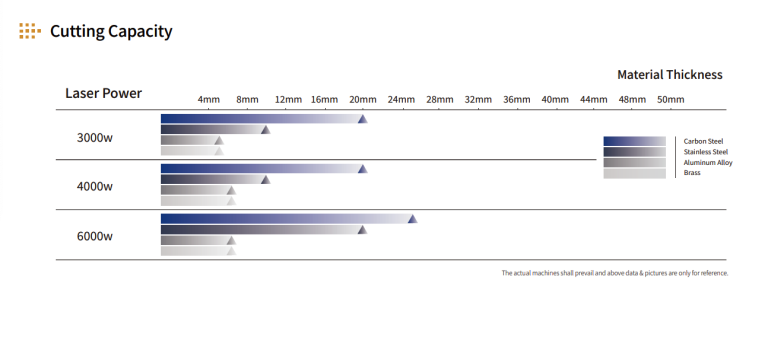
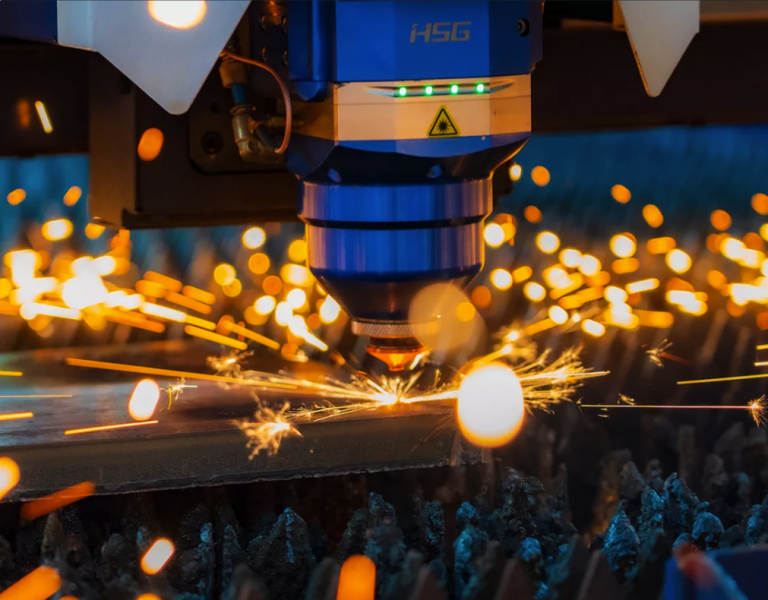
How you make a part—and how precise you need it to be—are just as important as the metal itself. Some processes, like laser cutting or fine plasma, can achieve tighter tolerances on thinner materials, while waterjet or mechanical cutting is better for thick plate but may introduce more edge irregularities.
From a sales standpoint, guiding clients through manufacturing constraints adds real value. If a customer wants a part that’s hard to manufacture at a certain thickness, work with them to revise the design so it meets both functionality and manufacturability. Present choices that are backed by your shop’s exact machine capabilities.
Technically, remember that finer tolerances on thick metal may require secondary finishing (like machining or grinding), which adds cost and cycle time. CNC routers or fiber lasers are excellent for maximizing cut quality on thin to medium gauges, while heavy-duty press brakes or plate rolls better suit thicker parts.
Progressive assembly means isolating sections of work to prevent bottlenecks. For example, finishing small parts in batches before moving them to welding lines reduces part movement and overall processing time. Using jigs and modular fixtures keeps tolerances in check during assembly, especially when mixing thick and thin components.
Balancing Cost Efficiency with Performance and Durability
The thinnest possible metal that meets requirements will bring down raw material costs, make forming and transportation easier, and speed up throughput. However, going too thin risks durability and a reputation for quality. The trick is finding the sweet spot.
A solution-based sales strategy means offering itemized options—a “good, better, best” with explanation so clients see how spending slightly more for a thicker gauge now could save them repair, warranty, or replacement costs later. Offer sample parts or pilot runs to demonstrate actual performance.
Machines that automate nesting and optimize cut layouts, like advanced CAD/CAM-integrated laser tables, will wring every cent out of your material buy. Consider using automated conveyor systems between work cells to move parts, reducing both labor and the likelihood of damaging thin, finished components.
Progressive processes, such as designing assembly stations for continuous flow, minimize storage time and work-in-progress inventory. You’ll benefit from reduced lead times as parts spend less time waiting and more time progressing through value-added steps.
Implementing Standards and Best Practices for Thickness Specification
Sound decisions are based on a mix of standards, experience, and continuous learning. Refer to relevant codes such as ASTM, EN, or AISC for minimum thickness guidelines—but don’t be afraid to call in a consultant or use FEA (Finite Element Analysis) simulations to double-check when in doubt.
Sales teams that bring standards into their proposals are trusted partners. Explaining that recommendations are based on ISO or industry guidelines reassures clients and enhances your professionalism. Document every thickness choice in part drawings and BOMs so downstream operations have a clear reference.
From a logistic standpoint, keeping standards documentation accessible on the shop floor via tablets or printouts means less confusion and less risk of costly errors. Machines with digital recipe storage or automatic gauge setting (like CNC shears) make switching jobs faster and safer.
Lastly, always involve quality assurance early. Through regular reviews, spot checks, and process audits, you create a culture where correct thickness is not just specified but verified at every step.
FAQ
How does optimizing metal thickness impact project costs?
Choosing the right thickness reduces both material costs and processing time, but going too thin may lead to future failures and higher long-term costs.
What machine upgrades can help handle varying thicknesses efficiently?
Investing in CNC-controlled brakes, laser cutters, and shears with higher tonnage and automatic adjusting features allows quick changeovers and reduces setup time.
Can thinner metals be as strong as thicker ones?
Sometimes, if they are higher-strength alloys or supported with clever design, but each application’s load and safety requirements must be carefully considered.
What role does the assembly line design play in thickness choice?
Efficient assembly lines minimize handling and allow smoother processing, which is especially important for both very thin and very thick materials.
How do standards affect thickness decisions?
Industry standards provide minimum guidelines that ensure structural safety and compliance with legal requirements, reducing liability.
Is it worth paying more for premium alloys to use less thickness?
In applications where weight saving or corrosion resistance is critical, higher-quality alloys can be cost-effective even at thinner gauges.
Selecting the optimal metal thickness is a balancing act that requires technical know-how, smart machine choices, and tight teamwork across sales, manufacturing, and quality assurance. Combining industry standards with continuous improvement keeps your shop competitive and your parts performing reliably in the field. For best results, stay current with both new materials and evolving fabrication technologies. Your reputation for structural integrity depends on it—and so does your bottom line.
===OUTRO===
Have a question about metal thickness, fabrication, or machinery? Don’t hesitate to reach out for shop-floor support or supplier recommendations. Industry experts and equipment reps are ready to help you navigate complex decisions with confidence. Make every gauge count—for your parts, your team, and your customers.
In the realm of metal fabrication, selecting the optimal metal thickness for structural integrity is crucial for ensuring product quality and economic efficiency. This decision impacts not only the immediate functionality and durability of the fabricated component but also the reputation of the fabrication shop. With every part produced, a shop’s ability to balance durability, manufacturability, and cost-effectiveness is tested. The right choice of metal thickness must take into account the intended purpose of the part, the environmental forces it will face, and the techniques used in its shaping, handling, and finishing processes. A comprehensive understanding of these factors contributes to successful project outcomes and customer satisfaction.
Maintenance Tips
- Regularly inspect fabrication equipment for wear and tear to ensure consistent metal thickness application.
- Calibrate thickness measuring tools frequently to maintain accuracy.
- Train staff on the importance of selecting appropriate metal thickness to prevent material waste and enhance product integrity.
Typical Cost Ranges
The cost of fabricated metal components varies based on the material type and thickness. Thinner metals generally cost less, but may require more processing to meet strength requirements. On average, metal thickness selection can influence costs by 10-20% of total project expenses.
Performance Specs
- Metal thickness directly affects the structural strength and weight-bearing capacity of the component.
- Thicker metals offer greater resistance to deformation but may require advanced machinery for processing.
- Considerations for corrosion resistance are essential for components exposed to harsh environments.
Buying Advice
- Evaluate the end-use environment to determine the necessary thickness for corrosion and wear resistance.
- Consult with material suppliers to understand the trade-offs between material cost and fabrication complexity.
- Opt for standardized thicknesses when possible to reduce material costs and ensure availability.
FAQs
How does metal thickness affect the performance of a fabricated component?
Metal thickness impacts the strength, durability, and weight of the component, affecting its overall performance in its intended application.
What are the risks of choosing the wrong metal thickness?
Incorrect metal thickness can lead to structural failure, increased material costs, and the need for costly rework.
Is there a standard process for determining the appropriate metal thickness?
There are industry guidelines and engineering calculations that help determine the necessary thickness based on load requirements and environmental factors.
Can thicker metal always be substituted for thinner metal for more strength?
While thicker metal offers more strength, it may not always be feasible due to weight, cost, and manufacturability considerations.
How do fabrication techniques influence the choice of metal thickness?
Certain techniques like welding or bending require specific thicknesses to ensure proper execution and structural integrity.
What tools are essential for measuring metal thickness accurately?
Calipers, micrometers, and ultrasonic thickness gauges are commonly used tools for measuring metal thickness.
How can I ensure consistency in metal thickness across multiple batches?
Implementing quality control measures and using precise measuring tools helps maintain consistency in metal thickness in production.
Selecting Optimal Metal Thickness for Structural Integrity in Fabricated Components