Aluminum Bending Techniques for Fabricators: Prevent Cracking and Improve Reliability
In today’s manufacturing landscape, delivering reliable, high-quality products is not just about meeting production quotas—it’s about mastering the nuances that keep workflow efficient, reduce waste, and outpace competitors. Aluminum bending stands out as a skill that separates average fabrication from excellence. Shop managers and floor supervisors need to understand not only why aluminum can fail during bending, but how to get it right, every time. By focusing on smart processes, investing in the right machines and tools, and preventing common pitfalls like cracking, you can elevate your shop’s productivity and reputation.
Understanding Aluminum Alloys and Their Bending Behavior
Not all aluminum is created equal. Different alloys—and their tempers—dictate how an aluminum part will behave during bending. For example, 6061-T6 is known for its strength, but it is more prone to cracking if bent too sharply. Softer tempers like 5052-H32 offer much greater flexibility, allowing for tighter bends without breakage.
It’s a sound investment to work closely with material suppliers, specifying alloys specifically geared for bending tasks. Always request mill test reports when sourcing aluminum for critical jobs, so your team knows what they’re working with. Precision in material selection means less downtime due to unexpected part failures, less need for rework, and a smoother assembly process down the line.
Selecting the Right Bending Method for Your Project
Choosing the best bending method is a balance between equipment availability, material type, and end-part requirements. Air bending, bottoming, and coining are the most common shop processes. Air bending, for instance, is flexible and uses less force, favoring high-mix, low-volume production with less tool wear. Bottoming offers greater repeatability and accuracy, while coining is reserved for critical, high-precision demands.
For sales teams, highlighting your ability to match the bending technique to the job’s needs can win contracts. Having a range of machines, such as hydraulic press brakes (e.g., Amada, Trumpf), CNC electric press brakes, and even rotary draw benders for tubular work, provides both versatility and process confidence. Machine features such as programmable backgauges reduce set-up times, improving throughput and quality with minimal manual intervention.
Efficient staging near assembly zones means bent components don’t travel far—progressive assembly lines relying on JIT (Just-in-Time) principles benefit when parts are promptly available, trimmed, and ready.
Optimizing Tooling and Equipment for Precision Bends
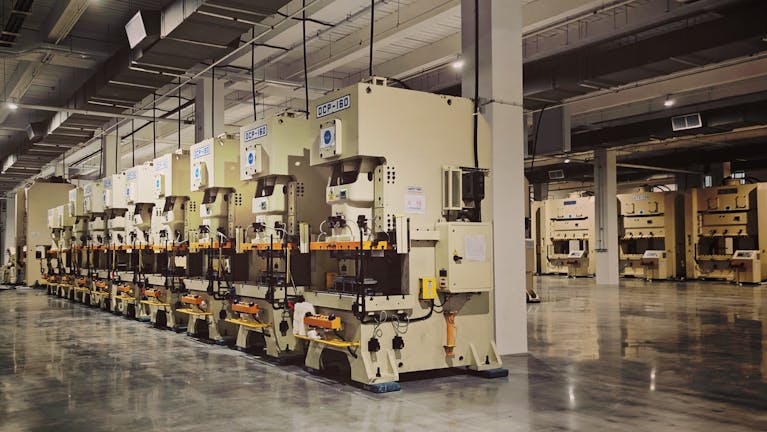
Equipment and tooling play a decisive role in minimizing operator error and material scrap. Hardened steel dies and properly maintained machines ensure every bend is clean, consistent, and dimensionally accurate. Precision tooling investments, such as segmented tooling on modern press brakes, enable quick set-up changes between jobs and a significant reduction in downtime.
Specify equipment with CNC control for repeatable results, and seek features like angle measurement systems and automatic crowning. Sales teams should tout these capabilities to prospective clients as they provide quantifiable, improved part consistency.
Consider the logistics: shop floor layout should minimize the distance from raw stock to bending station, and then to downstream operations. Progressive staging ensures a lean flow with less handling and movement. This not only boosts efficiency but also decreases the risk of damaging the freshly bent parts.
Managing Bend Radii and Grain Direction to Prevent Cracking
Bend radius and grain direction are key technical details that can spell success or disaster. Bends made too tight—especially across the grain of rolled aluminum—are more likely to crack. As a practical rule, maintain a bend radius at least equal to the material thickness for softer alloys, and double the thickness for harder tempers.
Job planning software can help detail bend locations relative to grain direction, and good sales literature should communicate your shop’s savvy in applying these best practices to client components. Offering engineering assistance or DFM (Design for Manufacturability) input up front can be a unique selling point.
Production should use marked-up prints showing grain direction and recommended bend radii, and standardize tooling to match. Consistent application means fewer QA rejects and faster transitions to downstream assembly.
Post-Bending Treatments to Enhance Strength and Durability
After bending, some aluminum parts may need further treatment to restore or enhance their strength. Processes like annealing, artificial aging, or even shot peening can be applied to improve durability and support heavy-use applications. If cosmetics are critical, smooth surface finishing or deburring is essential to remove micro-cracks or stress risers.
Promote post-bending value-added services in your sales approach. Well-equipped shops can offer integrated heat treating or finishing without relying on outside vendors, shaving days off lead times.
For shops with higher volumes, install batch ovens or coordinate workflow so post-bending treatments are synchronized with other assembly steps, further compressing assembly cycle times and keeping everything on schedule.
Frequently Asked Questions
What is the biggest benefit of investing in CNC press brakes for aluminum bending?
Precision, repeatability, and reduced set-up times, which translate to lower scrap rates and higher throughput.
Does grain direction really affect part strength that much?
Yes; bending against the grain makes cracks more likely, so aligning bends with the grain boosts reliability.
How can I reduce handling time between bending and assembly?
By arranging your workstations for progressive flow, staging finished parts near the next assembly step, and using mobile racks or carts.
Are post-bending treatments worth the investment?
Absolutely, for critical or high-stress components—they can restore lost properties and prevent early failures.
What’s the most common cause of cracks in bent aluminum?
Using too tight of a bend radius, especially in hard tempers or with the grain across the bend.
Is it better to outsource complicated bends or bring them in-house?
With the right equipment and skilled operators, handling them in-house can lower costs and improve lead times.
The art and science of aluminum bending depend on more than heavy equipment—they require sharp minds, disciplined process control, and thoughtful planning. Invest in well-maintained machines, keep your staff trained, and don’t cut corners on technical detail. That’s how you’ll consistently produce reliable, crack-free aluminum parts that keep your shop ahead in both quality and productivity.
For more practical guides and shop floor best practices, reach out to your equipment suppliers or consider a process audit to unlock further production gains. Fabrication excellence starts with mastering the fundamentals—let your next aluminum project be proof.
Aluminum bending is a critical technique in metal fabrication that requires precision and expertise to ensure the production of high-quality components without cracking. This process is essential for fabricators aiming to maintain efficient workflows, reduce material waste, and outperform competitors. Understanding the intricacies of aluminum bending, including the behavior of different aluminum alloys, is vital for shop managers and floor supervisors who seek to enhance their shop’s productivity and reputation. By focusing on optimized processes, investing in the right machinery, and avoiding common pitfalls such as cracking, fabricators can achieve superior results and deliver reliable products consistently.
Maintenance Tips
- Regularly inspect and maintain bending machines to ensure optimal performance and prevent unexpected downtimes.
- Use lubricants specifically designed for aluminum to reduce friction and prevent surface damage during bending.
- Calibrate tools and machines periodically to maintain accuracy and prevent material stress.
Typical Cost Ranges
The cost of aluminum bending machinery can vary widely depending on the size, capacity, and technology involved. Basic manual benders can start as low as $500, while advanced CNC bending machines may range from $50,000 to $150,000 or more.
Performance Specs
- Material Thickness Capability: Typically ranges from 1mm to 10mm for standard machines.
- Bending Radius: Adjustable depending on the tooling, usually from a few millimeters to several centimeters.
- Speed: CNC machines can offer bending speeds of up to 20 bends per minute, depending on complexity.
Buying Advice
- Evaluate the specific alloys you will be working with, as some may require specialized tooling or techniques.
- Consider the machine’s compatibility with existing shop equipment and the potential need for future upgrades.
- Assess the service and support options offered by the manufacturer to ensure long-term reliability.
Frequently Asked Questions
What are the most common causes of cracking in aluminum during bending?
Cracking can occur due to improper tooling, incorrect bending radius, or using the wrong aluminum alloy for the application.
How can I prevent cracking when bending aluminum?
Ensure you are using the correct alloy, maintain proper lubrication, and use the right tools and techniques for the specific bend requirements.
Is it necessary to heat aluminum before bending?
Heating aluminum can make it more malleable and easier to bend, but it depends on the specific alloy and thickness.
What types of machines are best for bending aluminum?
CNC bending machines are preferred for their precision and ability to handle complex bending tasks efficiently.
How does the choice of aluminum alloy affect the bending process?
Different alloys have varying levels of ductility and strength, which can significantly impact their bending performance and the likelihood of cracking.
What safety precautions should be taken during the aluminum bending process?
Always wear appropriate personal protective equipment, ensure machines are properly maintained, and follow safe operating procedures to prevent accidents.
Aluminum Bending Techniques for Fabricators: Prevent Cracking and Improve Reliability