Essential Tips for Buying a Fiber Laser Cutter
In the world of precision manufacturing, fiber laser cutters have emerged as a game-changing technology. Whether you’re a small business owner looking to expand your capabilities or a large-scale manufacturer aiming to optimize production, investing in a fiber laser cutter can offer unparalleled advantages. This article will guide you through the essential tips for buying a fiber laser cutter, ensuring you make a smart, efficient, and cost-effective choice.
Discover the Power of Fiber Laser Cutters
Fiber laser cutters are revolutionizing the manufacturing industry by providing unmatched precision and speed. Unlike traditional cutting methods, fiber lasers utilize a highly focused light beam to cut through a variety of materials with exceptional accuracy. This technology is ideal for industries that require intricate designs and precise cuts, such as automotive, aerospace, and electronics. The power of fiber laser cutters lies in their ability to deliver high-quality results consistently, reducing the need for additional finishing processes and ensuring a smoother production workflow.
Moreover, fiber laser cutters offer versatility that is hard to match. They can handle a wide range of materials, including metals, plastics, and composites, making them suitable for diverse applications. This adaptability means that businesses can expand their product offerings and enter new markets without needing multiple machines for different materials. By investing in a fiber laser cutter, companies can streamline their operations, reduce waste, and increase overall productivity, all while maintaining the highest standards of quality.
Why Fiber Laser Cutters Are a Smart Investment
Investing in a fiber laser cutter is not just about acquiring a new piece of equipment; it’s about future-proofing your business. As industries continue to evolve, the demand for precision and efficiency is only going to increase. Fiber laser cutters offer the speed and accuracy needed to stay competitive in today’s fast-paced market. By reducing production times and minimizing material waste, these machines can significantly lower operational costs and improve profit margins.
Additionally, fiber laser cutters are known for their durability and low maintenance requirements. Unlike other cutting technologies that may require frequent servicing and part replacements, fiber lasers have fewer moving parts and are built to last. This reliability translates into less downtime and more consistent production schedules. Over time, the initial investment in a fiber laser cutter can pay for itself through increased efficiency, reduced maintenance costs, and higher-quality outputs, making it a smart choice for businesses looking to maximize their return on investment.
Key Features to Look for in a Laser Cutter
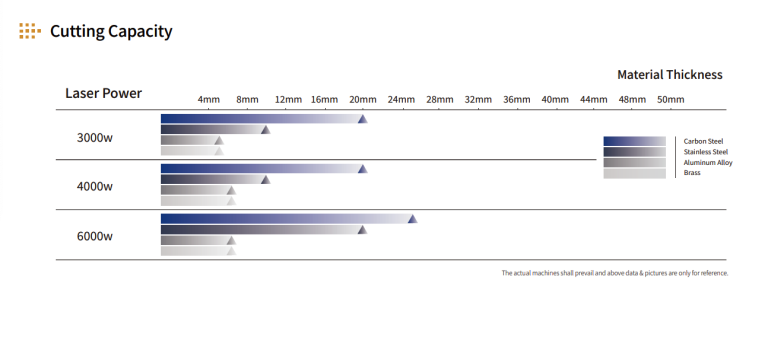
When purchasing a fiber laser cutter, it’s crucial to consider the machine’s power output and cutting speed. These features directly impact the types of materials you can work with and the overall efficiency of your production process. Higher power outputs allow for cutting thicker materials and achieving faster cutting speeds, which can significantly enhance productivity. However, it’s essential to balance power with precision to ensure that the machine meets your specific production needs without compromising quality.
Another critical feature to consider is the software and control system that comes with the laser cutter. User-friendly interfaces and advanced software capabilities can greatly enhance the machine’s usability and flexibility. Look for systems that offer easy integration with existing workflows and provide options for customization to suit your specific applications. A robust control system can also facilitate real-time monitoring and adjustments, ensuring that you maintain optimal performance and quality throughout the manufacturing process.
Cost vs. Value: Making the Right Purchase
While the upfront cost of a fiber laser cutter can be significant, it’s important to assess the long-term value it brings to your business. Consider the potential savings in labor and material costs, as well as the increased production capacity and quality improvements. A higher initial investment may lead to greater returns over time, especially if the machine allows you to expand your product offerings and enter new markets. Conduct a thorough cost-benefit analysis to determine the true value of the investment relative to your business goals.
Additionally, consider the total cost of ownership, which includes maintenance, training, and potential upgrades. While a lower-priced machine might seem appealing, it could incur higher costs in the long run if it requires frequent repairs or lacks the capabilities needed for your operations. By focusing on value rather than just cost, you can ensure that your investment in a fiber laser cutter aligns with your strategic objectives and provides lasting benefits for your business.
Maximizing Efficiency with the Right Cutter
Choosing the right fiber laser cutter is essential for maximizing efficiency in your manufacturing processes. Start by evaluating your specific production requirements, such as the types of materials you work with, the thickness of those materials, and the desired cutting speed. Aligning these needs with the capabilities of the laser cutter will ensure that you select a machine that optimizes your workflow and enhances productivity without unnecessary complications.
Furthermore, consider the machine’s footprint and how it fits into your existing production space. A well-integrated laser cutter can streamline operations and reduce bottlenecks, leading to more efficient use of resources and time. By selecting a machine that complements your current setup, you can achieve seamless integration and improved operational efficiency, ultimately enhancing your bottom line.
Expert Tips for a Successful Buying Experience
To ensure a successful buying experience, start by researching different manufacturers and models. Look for reputable companies with a proven track record in the industry and read customer reviews to gauge satisfaction levels. It’s also beneficial to visit trade shows or request demonstrations to see the machines in action and gain a better understanding of their capabilities. Engaging with industry experts and peers can provide valuable insights and help you make an informed decision.
Additionally, consider the level of support and training offered by the manufacturer. Comprehensive training programs and responsive customer support can make a significant difference in how quickly you can integrate the new machine into your operations. Ensure that the manufacturer provides adequate resources and assistance to help you get the most out of your investment. By taking these steps, you can confidently navigate the purchasing process and select a fiber laser cutter that meets your needs and exceeds your expectations.
Investing in a fiber laser cutter is a strategic move that can transform your manufacturing capabilities and position your business for future success. By understanding the key features, assessing cost versus value, and following expert tips, you can make a well-informed purchase that delivers lasting benefits. Embrace the power of fiber laser technology and unlock new possibilities for precision, efficiency, and growth in your operations.
Fiber laser cutters have become a transformative technology in the realm of precision manufacturing, offering unmatched precision and speed that surpass traditional cutting methods. These machines use highly focused light to cut through materials, making them ideal for both small business owners looking to expand their capabilities and large-scale manufacturers aiming to optimize production. Investing in a fiber laser cutter can lead to significant cost savings and increased efficiency. This guide will provide essential tips for purchasing a fiber laser cutter, ensuring that you make a smart, efficient, and cost-effective decision for your manufacturing needs.
Maintenance Tips
- Regularly clean the lens and mirrors to maintain optimal cutting performance.
- Ensure the cooling system is functioning properly to prevent overheating.
- Check and replace filters as needed to maintain air quality within the machine.
- Conduct periodic software updates to ensure the machine operates with the latest capabilities.
Typical Cost Ranges
The cost of fiber laser cutters can vary significantly based on features and capabilities:
- Entry-Level Models: $10,000 – $50,000
- Mid-Range Models: $50,000 – $150,000
- High-End Models: $150,000 and above
Performance Specifications
- Cutting Speed: Up to 140 meters per minute depending on material and thickness.
- Power Output: Typically ranges from 500 watts to 10 kilowatts.
- Material Compatibility: Capable of cutting metals such as steel, aluminum, brass, and copper.
Buying Advice
- Assess the types of materials you need to cut and their thickness to determine the appropriate power level.
- Consider the size of the working area required for your typical projects.
- Evaluate the software and control systems for ease of use and compatibility with your existing processes.
- Check for customer support and warranty services offered by the manufacturer or supplier.
FAQs
What materials can a fiber laser cutter handle?
Fiber laser cutters are primarily used for metals such as steel, aluminum, brass, and copper.
How do fiber laser cutters compare to CO2 lasers?
Fiber lasers generally offer faster cutting speeds and lower maintenance costs compared to CO2 lasers, particularly for metal cutting.
Is it possible to cut non-metal materials with a fiber laser cutter?
While primarily designed for metals, some fiber lasers can cut non-metals, but it’s not their primary function.
How does power output affect the cutting process?
Higher power output allows for cutting thicker materials more efficiently but may increase the machine’s cost and energy consumption.
What is the expected lifespan of a fiber laser cutter?
With proper maintenance, a fiber laser cutter can last 15 years or more.
Can fiber laser cutters be used for engraving?
Yes, they can be used for both cutting and engraving depending on the software and settings applied.
Essential Tips for Buying a Fiber Laser Cutter