Unlock Precision: The Best Plasma Cutter Gases Revealed
In the world of metal fabrication, precision is not just a goal—it’s a necessity. Achieving flawless cuts can mean the difference between an average project and a masterpiece. At the heart of this precision lies an often-overlooked factor: the choice of gas in plasma cutting. This article delves into the secrets of perfect plasma cuts, revealing how the right gas can transform your cutting experience and elevate your craftsmanship to new heights.
Discover the Secret to Perfect Plasma Cuts
Unlocking the secret to perfect plasma cuts begins with understanding the science behind the process. Plasma cutting relies on an accelerated jet of hot plasma to slice through electrically conductive materials. The role of gas in this process is crucial, as it not only aids in generating the plasma but also influences the quality and precision of the cut. By selecting the appropriate gas, fabricators can achieve cleaner cuts with minimal dross and reduced kerf width, resulting in a more precise and efficient operation.
The right gas can also enhance the lifespan of your equipment. Using the optimal gas mix reduces the wear and tear on your plasma cutter, ensuring that it remains in peak condition for longer periods. This not only saves money on maintenance and replacement parts but also boosts productivity by minimizing downtime. As such, understanding the role of gases in plasma cutting is essential for any professional looking to perfect their craft and achieve consistently superior results.
Why Gas Choice Matters in Plasma Cutting
The choice of gas in plasma cutting is more than a matter of preference; it’s a critical factor that directly impacts the performance and quality of the cut. Different gases offer distinct advantages and are suited to specific materials and thicknesses. For instance, nitrogen is known for its versatility and is often used for cutting stainless steel and aluminum, while oxygen is preferred for mild steel due to its ability to produce a faster cut with a cleaner edge.
Moreover, the right gas can significantly influence the cut speed and the quality of the finish. Selecting an inappropriate gas can lead to increased dross formation, rough edges, and a higher likelihood of warping, all of which can compromise the integrity of the finished product. Therefore, understanding the properties and benefits of different gases is essential for achieving optimal cutting conditions and ensuring the highest level of precision.
Top Gases for Unmatched Cutting Precision
When it comes to achieving unmatched cutting precision, argon-hydrogen mixtures stand out as a top choice for thick stainless steel and aluminum. This combination provides a high-quality finish and excellent cutting speed, making it ideal for applications that demand precision and efficiency. The hydrogen component enhances the arc’s stability and energy, resulting in smoother and cleaner cuts.
Another popular choice is nitrogen, which is favored for its versatility and ability to produce a clean cut with minimal oxidation. Nitrogen is particularly effective for non-ferrous metals and is often used in applications where a high-quality finish is paramount. Its inert nature prevents unwanted chemical reactions during the cutting process, ensuring that the integrity of the material is maintained.
Elevate Your Craft with Optimal Gas Selection
Selecting the optimal gas for your plasma cutter can elevate your craft to new levels of precision and quality. By understanding the specific requirements of your projects and the properties of available gases, you can tailor your gas selection to achieve the best possible results. This strategic approach not only enhances the quality of your work but also demonstrates a commitment to excellence and attention to detail.
Furthermore, using the right gas can set you apart from competitors by enabling you to deliver superior results consistently. Clients and customers will recognize the difference in quality, leading to increased satisfaction and potential business growth. By investing time and resources into understanding and choosing the right gas, you position yourself as a leader in the field, capable of tackling even the most challenging projects with confidence and precision.
Expert Tips for Choosing Plasma Cutter Gases
When selecting the right gas for your plasma cutter, consider the material you are working with and the desired finish. For example, if you’re cutting mild steel, oxygen is often the best choice due to its ability to produce a fast, clean cut. However, for stainless steel or aluminum, an argon-hydrogen mix or nitrogen may be more suitable, depending on the thickness and specific requirements of the project.
Another important factor to consider is the cost and availability of the gases. While some gases may offer superior cutting performance, their cost or limited availability might not justify their use for every project. Balancing performance with practicality is key to making informed decisions that optimize both quality and cost-effectiveness. Consulting with industry experts or gas suppliers can provide valuable insights and help you make the best choice for your specific needs.
Transform Your Cutting with the Right Gas Mix
Transforming your cutting process with the right gas mix is not just about achieving better cuts; it’s about revolutionizing the way you approach your craft. The right gas mix can enhance not only the quality of the cut but also the overall efficiency and effectiveness of your operations. By experimenting with different gas combinations and fine-tuning your approach, you can discover new possibilities and push the boundaries of what is achievable with plasma cutting.
In the end, the right gas mix can be a game-changer for your business, leading to increased customer satisfaction and a stronger reputation in the industry. By prioritizing precision and quality through informed gas selection, you demonstrate a commitment to excellence that sets you apart from the competition. Embrace the power of the right gas mix and unlock the full potential of your plasma cutting capabilities.
As we have explored, the choice of gas in plasma cutting is pivotal in achieving the perfect cut. By understanding the properties and benefits of different gases, you can make informed decisions that enhance the quality, precision, and efficiency of your work. Whether you’re a seasoned professional or new to the craft, prioritizing the right gas selection can transform your projects and elevate your craftsmanship to unparalleled heights. Embrace the secrets of plasma cutting and unlock a world of precision and excellence.
Plasma cutting is a critical process in metal fabrication that demands high precision to ensure the quality and accuracy of cuts. The choice of gas in a plasma cutter plays a pivotal role in achieving these precise cuts. This article explores how selecting the right gas not only enhances the cutting process but also significantly impacts the quality of the final product. By understanding the science behind plasma cutting and the types of gases available, fabricators can unlock the potential for perfect cuts, transforming their projects from average to exceptional.
Maintenance Tips
- Regularly inspect and clean the torch to prevent debris buildup that can affect cut quality.
- Check gas supply lines for leaks or damage to ensure consistent performance.
- Replace consumables such as electrodes and nozzles as needed to maintain precision.
Typical Cost Ranges
The cost of plasma cutter gases varies depending on the type and quantity. Common gases like compressed air and nitrogen are generally less expensive, ranging from $30 to $70 per cylinder. Specialty gases like argon-hydrogen mixtures can cost significantly more, often exceeding $200 per cylinder.
Performance Specs
- Cutting Speed: Depending on the gas used, cutting speeds can range from 20 to 200 inches per minute.
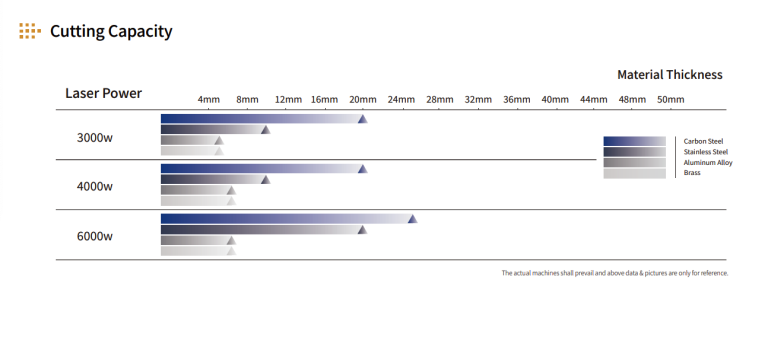
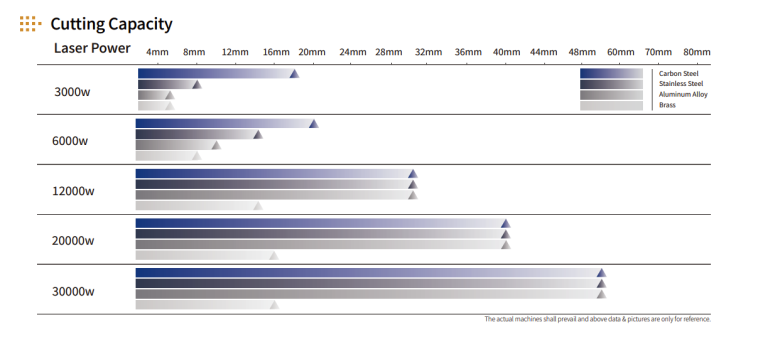
- Material Thickness: Effective for cutting materials up to 2 inches thick, though thickness capabilities vary with gas type.
- Cut Quality: The choice of gas affects edge quality, dross formation, and kerf width.
Buying Advice
When choosing plasma cutter gases, consider the type of material you will be working with most often. Compressed air is suitable for mild steel, while argon-hydrogen mixtures may be better for stainless steel and non-ferrous metals. Evaluate the long-term cost of gas usage in relation to your production volume and budget.
FAQs
What gases are commonly used in plasma cutting?
Common gases include compressed air, nitrogen, oxygen, and argon-hydrogen mixtures.
Why is gas selection important in plasma cutting?
The choice of gas affects the cut quality, speed, and the types of materials that can be effectively cut.
Can I use more than one type of gas for different projects?
Yes, fabricators often switch gases to optimize performance for different materials and thicknesses.
How often should I replace consumables in my plasma cutter?
Consumables should be replaced based on wear and tear, which varies depending on usage frequency and material.
Is compressed air a good choice for all plasma cutting applications?
Compressed air is cost-effective for mild steel but may not provide optimal results for stainless steel or aluminum.
What safety precautions should I take when using plasma cutter gases?
Ensure proper ventilation, wear protective gear, and regularly check for gas leaks.
Unlock Precision: The Best Plasma Cutter Gases Revealed