Master Press Brake Tonnage: 4 Essential Tips Unveiled
Master Press Brake Tonnage: 4 Essential Tips Unveiled
In the world of metal fabrication, mastering press brake tonnage is crucial for achieving precision, efficiency, and cost-effectiveness. Whether you’re a seasoned professional or a newcomer to the industry, understanding the intricacies of press brake tonnage can make a significant difference in your operations. This article unveils four essential tips to help you optimize your processes and elevate your skills to new heights.
Unravel Press Brake Tonnage Mysteries Today
Press brake tonnage can often seem like a daunting concept, shrouded in technical jargon and complex calculations. However, demystifying this essential aspect of metal fabrication is crucial for any professional looking to enhance their craft. Tonnage refers to the amount of force exerted by the press brake to bend a piece of metal. Understanding the correct tonnage required for different materials and thicknesses is vital for achieving accurate bends and maintaining the integrity of the workpiece.
By unraveling the mysteries of press brake tonnage, you can avoid common pitfalls and ensure that your projects are completed with precision and efficiency. Knowing how to calculate the correct tonnage not only helps in achieving the desired bend but also extends the lifespan of your equipment by preventing overloading. This foundational knowledge empowers you to make informed decisions, leading to better outcomes and increased satisfaction for both you and your clients.
Maximize Efficiency with the Right Tonnage
Efficiency is the cornerstone of any successful fabrication process. Selecting the right tonnage for your press brake operations is a critical step towards maximizing this efficiency. When you use the appropriate tonnage, you minimize the risk of errors and rework, which can be costly and time-consuming. Proper tonnage ensures that each bend is executed correctly the first time, reducing waste and enhancing your overall productivity.
Moreover, maximizing efficiency through the right tonnage selection can significantly reduce your operational costs. By optimizing the force applied, you not only preserve the quality of your materials but also decrease energy consumption and wear on your machinery. This strategic approach not only benefits your bottom line but also contributes to a more sustainable and environmentally friendly operation.
Avoid Costly Mistakes with Expert Insights
Learning from the experiences of industry experts can be invaluable in avoiding costly mistakes related to press brake tonnage. Professionals who have mastered this aspect of metal fabrication understand the nuances involved and can offer insights that save time and resources. For instance, they can guide you in selecting the right tooling and setup for different materials, which is crucial for achieving precise bends without damaging the workpiece.
Incorporating expert insights into your workflow can also help you anticipate potential issues before they arise. By understanding common challenges and how to address them, you can prevent costly downtime and maintain a smooth, uninterrupted production process. Leveraging the knowledge of seasoned professionals not only enhances your skills but also instills confidence in your ability to tackle complex projects with ease.
Discover the Secrets to Optimal Performance
Achieving optimal performance in press brake operations involves more than just understanding tonnage; it requires a holistic approach that considers various factors. These include material type, thickness, bend angle, and tooling selection. By mastering the interplay between these elements, you can unlock the full potential of your press brake and deliver exceptional results consistently.
One of the secrets to optimal performance lies in continuous learning and adaptation. Staying updated with the latest advancements in press brake technology and techniques enables you to refine your skills and adopt best practices. This proactive approach ensures that you remain competitive in an ever-evolving industry, positioning you as a leader in delivering high-quality metal fabrication solutions.
Transform Your Workflow with Proven Strategies
Implementing proven strategies for managing press brake tonnage can transform your workflow and elevate the quality of your output. One effective strategy is to invest in training and development for your team, ensuring that everyone is well-versed in the principles of tonnage calculation and application. This collective expertise fosters a collaborative environment where knowledge is shared, and efficiency is maximized.
Additionally, adopting a systematic approach to your press brake operations can streamline your processes and reduce variability. Standardizing procedures, conducting regular equipment maintenance, and utilizing advanced software tools for tonnage calculation are all strategies that can enhance your workflow. By integrating these practices, you create a robust framework that supports consistent, high-quality production outcomes.
Elevate Your Skills: Master Tonnage Techniques
Mastering tonnage techniques is a journey that requires dedication, practice, and a willingness to learn. As you hone your skills, you’ll discover the satisfaction of executing complex bends with precision and confidence. This mastery not only enhances your professional reputation but also opens up new opportunities for growth and advancement in the metal fabrication industry.
Elevating your skills in press brake tonnage also involves embracing innovation and staying ahead of industry trends. By continuously seeking out new knowledge and refining your techniques, you position yourself as a valuable asset to any organization. This commitment to excellence ensures that you remain at the forefront of your field, capable of delivering exceptional results that exceed client expectations.
Mastering press brake tonnage is an essential skill for any metal fabrication professional. By unraveling the mysteries, maximizing efficiency, avoiding costly mistakes, and discovering the secrets to optimal performance, you can transform your workflow and elevate your skills. Embrace these proven strategies and insights to become a leader in your field, delivering high-quality results that set you apart from the competition.
In the realm of metal fabrication, mastering press brake tonnage is vital for ensuring precision, efficiency, and cost-effectiveness in your operations. Understanding the intricacies of press brake tonnage can significantly enhance your skills and optimize processes, whether you’re a seasoned professional or new to the industry. This guide provides four essential tips to help you unravel the mysteries of press brake tonnage, ultimately improving your fabrication capabilities.
Maintenance Tips
- Regularly check the machine’s hydraulic fluid levels and replace them as necessary to maintain optimal performance.
- Inspect and tighten bolts and screws periodically to ensure the machine’s stability and alignment.
- Clean the press brake regularly to prevent the buildup of dust and debris, which can affect accuracy.
- Schedule professional maintenance checks at least annually to identify and address potential issues early.
Typical Cost Ranges
The cost of a press brake can vary significantly based on factors such as size, tonnage capacity, and brand. Typically, prices range from $50,000 to $200,000 for standard models, while custom or high-end press brakes may exceed $500,000.
Performance Specs
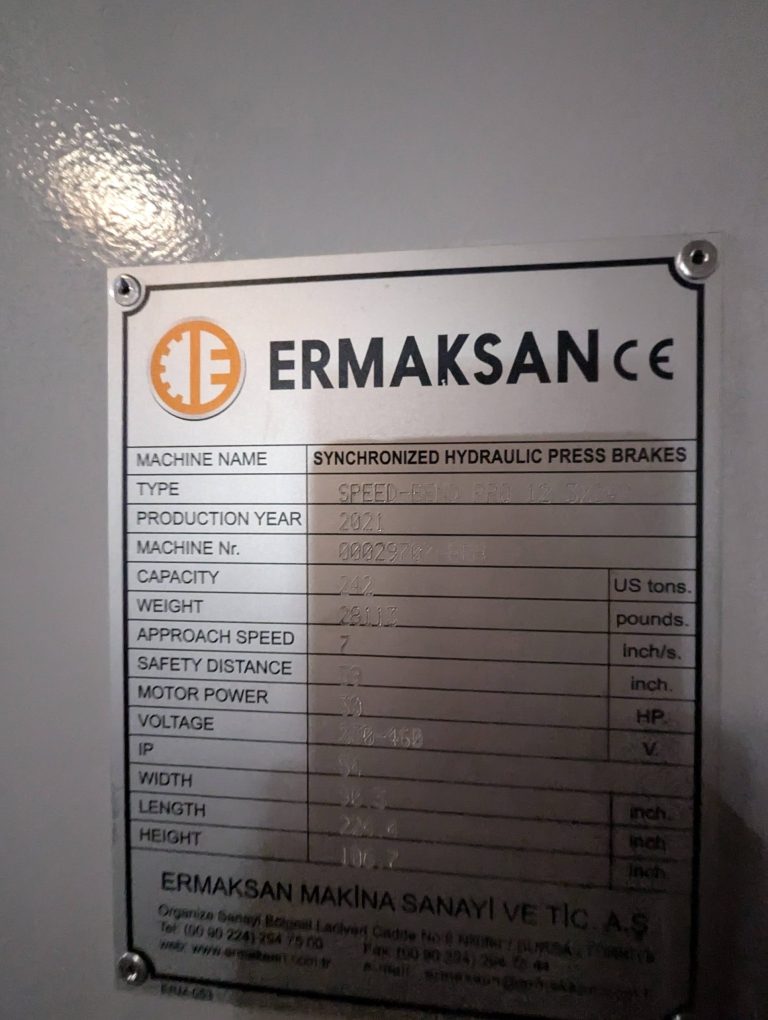
- Tonnage Capacity: Typically ranges from 30 to 1000 tons.
- Bending Length: Commonly between 4 feet and 20 feet.
- Accuracy: Most modern press brakes offer precision within ±0.0004 inches.
- Speed: Varies, with some models offering up to 20 bends per minute.
Buying Advice
- Consider the types of materials and thicknesses you will be working with to determine the appropriate tonnage capacity.
- Invest in a press brake with a user-friendly interface to facilitate ease of use and reduce training time.
- Evaluate the availability of service and support from the manufacturer to ensure timely assistance when needed.
- Look for energy-efficient models to reduce operational costs over time.
Frequently Asked Questions
What is press brake tonnage?
Press brake tonnage refers to the amount of force the machine can apply to bend metal. It’s crucial for determining the machine’s capacity to handle various materials and thicknesses.
How do I calculate the needed tonnage for a specific job?
To calculate required tonnage, consider factors such as material type, thickness, bending length, and the desired bend angle. Manufacturers often provide tonnage charts to assist with these calculations.
Can I increase the tonnage capacity of my press brake?
No, the tonnage capacity is a fixed specification determined by the manufacturer. Attempting to exceed it can damage the machine or result in unsafe operations.
What safety precautions should I take when using a press brake?
Always wear appropriate safety gear, keep hands and other body parts away from moving parts, and ensure all safety guards are in place before operation.
Is it possible to retrofit an older press brake with modern technology?
Yes, many older machines can be upgraded with new control systems, safety features, and back gauges to improve functionality and compliance with current standards.
Master Press Brake Tonnage: 4 Essential Tips Unveiled