Unveiling the Hidden Dangers in Hydraulic Press Systems
In the world of industrial machinery, hydraulic press systems stand as powerful titans, executing tasks with precision and force. However, beneath their robust exterior lies a labyrinth of potential hazards that often go unnoticed until it’s too late. As industries continue to rely on these machines for their unparalleled efficiency, it becomes imperative to unveil the hidden dangers they pose. Understanding these risks is not just a matter of compliance but a crucial step towards safeguarding workers and ensuring seamless operations.
Unmasking the Perils of Hydraulic Press Systems
Hydraulic press systems, with their immense power and versatility, are indispensable in various manufacturing processes. Yet, this very power can also be a source of peril. The sheer force exerted by these machines can lead to catastrophic failures if not properly managed. From unexpected pressure surges to mechanical malfunctions, the potential for accidents is ever-present. These incidents not only jeopardize the safety of workers but can also result in significant financial losses and operational downtime.
Moreover, hydraulic press systems often operate under high-pressure conditions, which can lead to leaks and bursts. The hydraulic fluid, typically under intense pressure, can cause severe injuries upon contact. These systems require meticulous maintenance and constant vigilance to prevent such occurrences. Ignoring the hidden dangers within these machines can have dire consequences, making it essential for industries to prioritize safety and risk assessment.
Understanding the Risks: A Pressing Concern
The risks associated with hydraulic press systems are multifaceted, encompassing mechanical, operational, and environmental hazards. Mechanical failures, such as worn-out components or faulty seals, can lead to sudden breakdowns. These malfunctions not only interrupt production but can also pose immediate threats to the safety of workers. Understanding the mechanical intricacies of hydraulic systems is crucial for identifying potential weaknesses before they escalate into serious issues.
Operational risks, on the other hand, stem from human error and inadequate training. Operators who are not fully versed in the complexities of hydraulic systems may inadvertently contribute to unsafe conditions. This lack of knowledge can lead to improper handling of the machinery, increasing the likelihood of accidents. Therefore, it is vital for companies to invest in comprehensive training programs to equip their workforce with the necessary skills to navigate these risks effectively.
The Silent Threats Lurking in Hydraulic Machinery
Beyond the obvious mechanical and operational risks, hydraulic press systems harbor silent threats that can go unnoticed. One such danger is noise pollution, which, although less tangible, can have long-term health effects on workers. Prolonged exposure to high decibel levels can lead to hearing loss and increased stress, which in turn affects productivity and overall well-being. Addressing this silent threat requires a proactive approach, including regular noise assessments and the implementation of sound-dampening measures.
Another subtle yet significant threat is the potential for hydraulic fluid contamination. Contaminants such as dirt, water, and metal particles can infiltrate the system, leading to inefficiencies and potential failures. These contaminants can compromise the integrity of the machinery, resulting in costly repairs and downtime. Regular monitoring and maintenance of hydraulic fluids are essential to mitigate this risk and ensure the longevity and reliability of the press systems.
Safety First: Identifying Hidden Press Hazards
Identifying hidden hazards within hydraulic press systems is a critical step towards ensuring a safe working environment. Regular inspections and maintenance checks are vital in uncovering potential issues before they manifest into serious problems. By employing advanced diagnostic tools and techniques, companies can detect anomalies in pressure levels, fluid quality, and component integrity. This proactive approach allows for timely interventions, reducing the risk of accidents and equipment failures.
Furthermore, fostering a culture of safety within the workplace is paramount. Encouraging open communication and vigilance among employees can lead to the early detection of potential hazards. Workers should be empowered to report any irregularities or concerns without fear of reprisal. By creating an environment where safety is prioritized, companies can significantly reduce the likelihood of accidents and promote a culture of continuous improvement.
Protecting Workers: Essential Safety Measures
Ensuring the safety of workers operating hydraulic press systems requires a multifaceted approach. Personal protective equipment (PPE) is a fundamental component of this strategy, providing a crucial line of defense against potential injuries. Helmets, gloves, and protective eyewear are essential in minimizing the risk of harm from flying debris, hydraulic fluid exposure, and noise. Regular training sessions on the proper use and maintenance of PPE can further enhance worker safety.
In addition to PPE, implementing robust safety protocols is essential. These protocols should encompass emergency response procedures, regular equipment maintenance schedules, and comprehensive risk assessments. By establishing clear guidelines and ensuring their consistent enforcement, companies can create a safer working environment. Regular audits and safety drills can reinforce these measures, ensuring that both workers and management remain vigilant and prepared.
The Path to Safer Hydraulic Press Operations
Achieving safer hydraulic press operations is a continuous journey that demands dedication and commitment from all stakeholders. Investing in state-of-the-art technology and equipment can significantly enhance safety standards. Modern hydraulic systems come equipped with advanced safety features, such as automatic shut-off mechanisms and pressure release valves, which can prevent accidents before they occur. By embracing innovation, companies can stay ahead of potential risks and ensure the safety of their workforce.
Moreover, fostering a culture of continuous learning and improvement is crucial. Encouraging employees to stay informed about the latest safety practices and technological advancements can lead to more efficient and secure operations. Workshops, seminars, and training programs should be regularly conducted to keep the workforce updated and engaged. By prioritizing education and awareness, companies can pave the way for a safer and more productive future in hydraulic press operations.
In conclusion, the hidden dangers within hydraulic press systems are not to be underestimated. By acknowledging and addressing these risks, industries can protect their workers and enhance operational efficiency. It is imperative for companies to adopt a proactive approach, prioritizing safety through regular maintenance, comprehensive training, and the implementation of advanced technologies. As we continue to rely on these powerful machines, let us commit to unveiling and mitigating the hidden dangers they pose, ensuring a safer and more sustainable future for all.
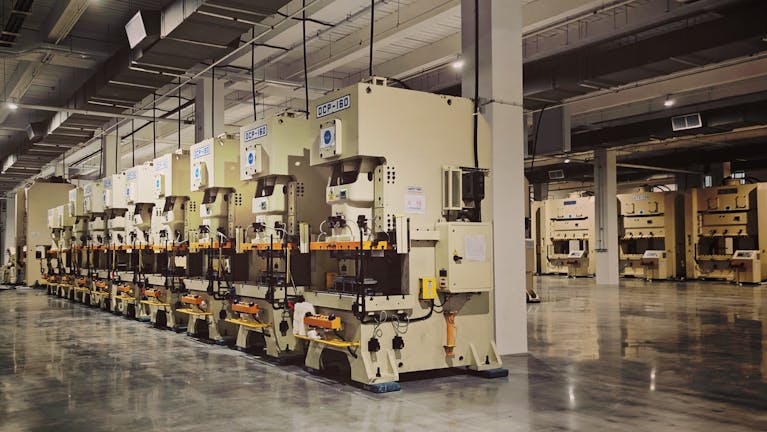
Hydraulic press systems are crucial components in metal fabrication, known for their incredible power and efficiency in shaping and forming metal parts. Despite their advantages, they harbor potential hazards that can compromise safety if not properly managed. These risks include high-pressure fluid leaks, mechanical failures, and the dangers associated with the massive force they exert. Understanding and mitigating these hazards is essential for maintaining a safe working environment and ensuring the longevity of the machinery. Industries must prioritize safety measures and regular maintenance to protect workers and optimize the performance of these formidable machines.
Maintenance Tips
- Regularly inspect hydraulic lines and connections for leaks or damage.
- Ensure that all safety guards and emergency stops are functional and accessible.
- Perform routine checks on the press’s pressure settings and calibrate as necessary.
- Lubricate moving parts according to the manufacturer’s specifications to prevent wear and tear.
- Train operators on proper handling and emergency procedures.
Typical Cost Ranges
The cost of hydraulic press systems can vary significantly based on their capacity and features, ranging from $5,000 for small bench-top models to over $100,000 for large industrial presses.
Performance Specs
- Force Capacity: Typically ranges from 10 to 1000 tons.
- Stroke Length: Commonly between 6 to 24 inches.
- Speed: Variable, generally from 20 to 150 mm/s depending on the model and application.
Buying Advice
When purchasing a hydraulic press, consider the specific tasks it will perform, the press’s force capacity, and the materials it will handle. Evaluate the machine’s safety features and ensure it complies with industry standards. Additionally, assess the manufacturer’s reputation for reliability and customer support.
FAQs
What are the primary hazards associated with hydraulic press systems?
The main hazards include high-pressure fluid leaks, potential mechanical failures, and the risk of injury from the enormous force exerted by the press.
How often should maintenance be performed on hydraulic press systems?
Regular maintenance should be performed according to the manufacturer’s guidelines, typically every 6 to 12 months, with more frequent inspections for heavily used machines.
What safety features should be present in a hydraulic press?
Essential safety features include emergency stop buttons, safety guards, pressure relief valves, and automatic shut-off systems.
Can hydraulic press systems be used for materials other than metal?
Yes, hydraulic presses can also be used for plastics, composites, and other materials, depending on the model and configuration.
What should I do if I notice a hydraulic fluid leak?
Immediately shut down the machine, clean the spill as per safety protocols, and inspect the system to repair or replace damaged components before resuming operation.
Unveiling the Hidden Dangers in Hydraulic Press Systems